
National Student Financial Aid Scheme breaks silence on accommodation top-up dispute
NSFAS says it is aware of reports that UJ students of private accommodation providers were asked to pay accommodation top-up fees, revealing that some students signed separate agreements for private rooms beyond the R52 000 annual funding cap.
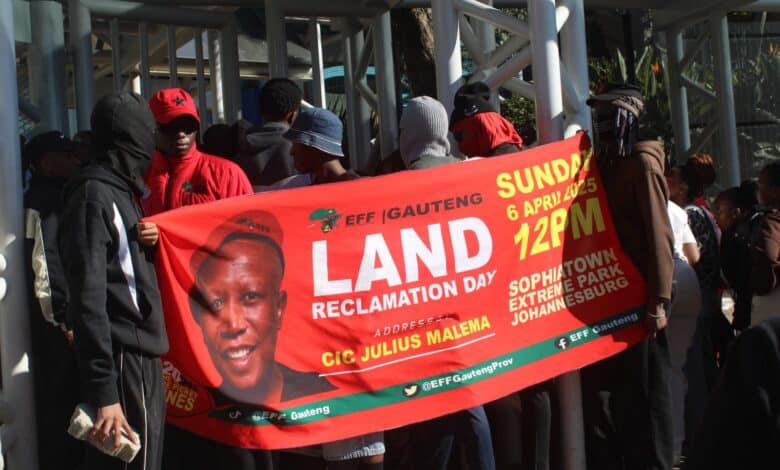
The National Student Financial Aid Scheme (NSFAS) has responded to allegations surrounding accommodation top-up fees regarding private accommodations.
An issue that has sparked protests by Economic Freedom Fighters (EFF) members from University of Johannesburg (UJ) Auckland Park campus. Students first took their frustrations to the streets on June 5, and demonstrated yet again on June 12. They allege they were being charged accommodation top-up fees, despite NSFAS accommodation funding being capped at R52 000 per year.
The dispute led to protests over what students described as double billing by private accommodation providers.
Read more: Covid-19: NSFAS recipients to receive allowances during lockdown
Responding on June 19, NSFAS confirmed that it is aware of the matter that some UJ students have been asked to pay additional accommodation top-up fees, said spokesperson Ishmael Mnisi. Mnisi added that it is working with UJ and affected accommodation providers to gather facts and ensure compliance with NSFAS policy and the student accommodation framework.
According to Mnisi, the current annual accommodation cap stands at R52 000 per student. He explained that, for NSFAS-accredited private accommodation, the cap is calculated according to factors such as the number of beds per room, the grading of the establishment, and other quality measures.

He added that the accommodation provider in question is an institution-managed provider accredited by the university. Mnisi stated that some students signed a second agreement directly with the accommodation provider to occupy private rooms, instead of the standard shared rooms allocated to NSFAS-funded students.
Mnisi highlighted that after moving into private rooms, some students refused to pay the agreed top-up fees and also declined to move to shared accommodation options allocated for NSFAS-funded students. Mnisi said the dispute contributed to the tensions and protests surrounding the accommodation issue.
Also read: 4 days left before the closing of the NSFAS 2020 applications
The scheme reiterated that its policy only covers accommodation costs up to the annual cap of R52 000. “Any amount charged above this cap is not covered by NSFAS and is a private arrangement between the student and the accommodation provider.”
The organisation further stated that accredited accommodation providers are expected to offer rooms within the NSFAS funding cap, and encouraged students to occupy accommodation options that fall within those limits.
The publication followed up with the accommodation providers again on June 19, but are still awaiting a response from them. Their response will be updated once received.
Follow us on our Whatsapp channel, Facebook, X, Instagram, and TikTok for the latest updates and inspiration!