Albertsville kapok tree case highlights need for careful tree management
An incident with a kapok tree in Albertsville has prompted City Parks to stress early reporting and professional assessment before any tree removal is considered.
Johannesburg City Parks and Zoo (JCPZ) is urging residents not to remove trees as a first response when they appear to affect underground infrastructure.
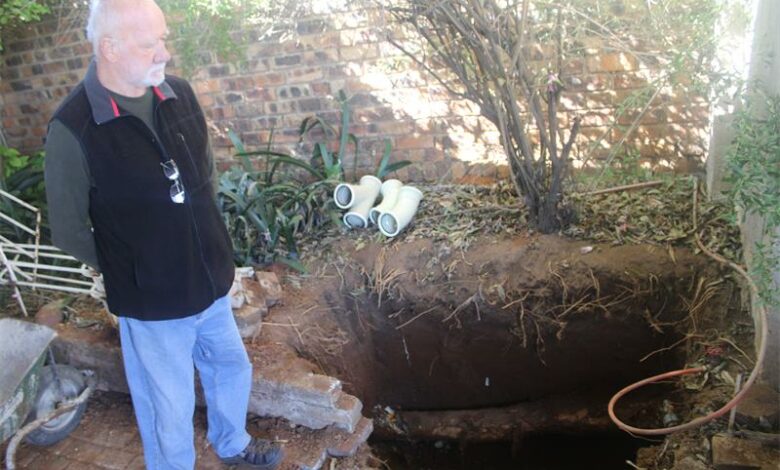
This is following a reported case involving a kapok tree in Albertsville. According to JCPZ spokesperson Jenny Moodley, the organisation is aware of the incident in which the tree was linked to damage to underground sewage infrastructure. Moodley said City Parks officials inspected the site after receiving the report. However, by the time they arrived, the resident had already appointed a contractor to excavate and repair the pipes. “During this process, roots had been cut and damaged, which compromised the stability of the tree.”
JCPZ stressed that removing healthy, mature trees should be a last resort, and only where there is an unavoidable safety risk. Large trees play an important urban role, providing shade, reducing heat, improving air quality, supporting biodiversity, and shaping neighbourhood character.
Read more: JCPZ urges residents to preserve our street trees
The kapok tree, also known as Ceiba speciosa, is not classified as an invasive alien species in Johannesburg. However, it is a large, fast-growing, ornamental species, with an extensive root system that needs careful placement and management.
Moodley said kapok trees have large trunks that may develop greenish bark and spines when young, broad canopies at maturity, and strong spreading roots that seek space and moisture. In confined areas, they may develop surface roots and, in some cases, swollen trunk bases used for water storage.
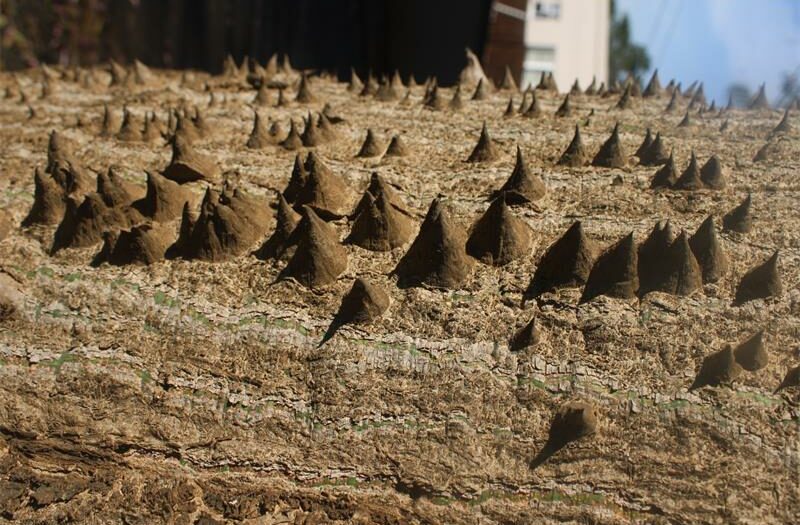
Like many large trees, kapoks planted too close to buildings, paving, storm water channels, or underground services may eventually create conflicts. JCPZ noted that tree roots naturally grow towards water and nutrients, and in some cases towards leaking pipes. “Where underground pipes have weaknesses, cracks, or leaking joints, roots may enter and expand, potentially causing blockages or damage. It is often not the tree itself, but damaged or corroded pipes that allow this to happen.”
She added that aggressive root systems can interfere with sewerage and drainage lines, lift paving, affect foundations, and compete with underground services. However, City Parks said root growth does not automatically require tree removal.
Also read: JCPZ takes action on Westpark Cemetery maintenance concerns
Residents are encouraged to report issues, such as blocked drains, lifting paving, or visible root intrusion, early. JCPZ also warns against cutting major roots without professional assessment, as this can destabilise trees and create safety risks.
Early reporting allows specialists to consider options, such as root pruning, repairs, monitoring, or other interventions, which may resolve the issue while keeping the tree. Street tree concerns should be reported via Joburg Connect on 011 375 5555 (option 7). Cases are assessed individually, with inspections typically done within 21 days.
“Trees are essential assets in building a greener and more resilient Johannesburg. Before removing a tree, seek professional advice. Early intervention can often resolve conflicts while preserving environmental benefits,” said JCPZ managing director Thanduxolo Mendrew.
JCPZ said it remains committed to balancing infrastructure protection, urban development, and the conservation of Johannesburg’s green assets.
Follow us on our Whatsapp channel, Facebook, X, Instagram, and TikTok for the latest updates!