
Linden Library holiday programme teaches children road safety
Young road users in Johannesburg learned how to navigate traffic safely through interactive lessons and visual activities.
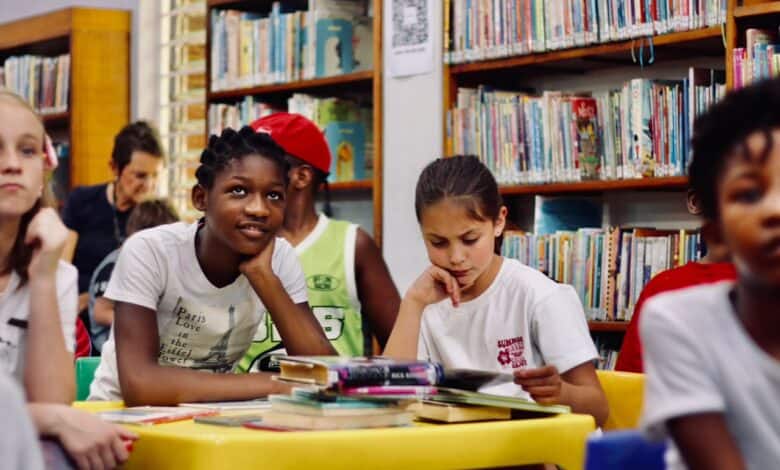
A friend calling your name, a conversation after school, or simply rushing to get across the road can be enough to distract a young pedestrian.
Linden Library Assistant Tebello Sengoara says learning to pause and pay attention could make all the difference when children are around traffic.
Speaking after the library’s Smart Kids, Smart Roads holiday programme on Monday, September 28, Sengoara said road-safety lessons need to be tailored to children’s ages.
Read more: Friends of Linden Library preserve more than books at Linden Library
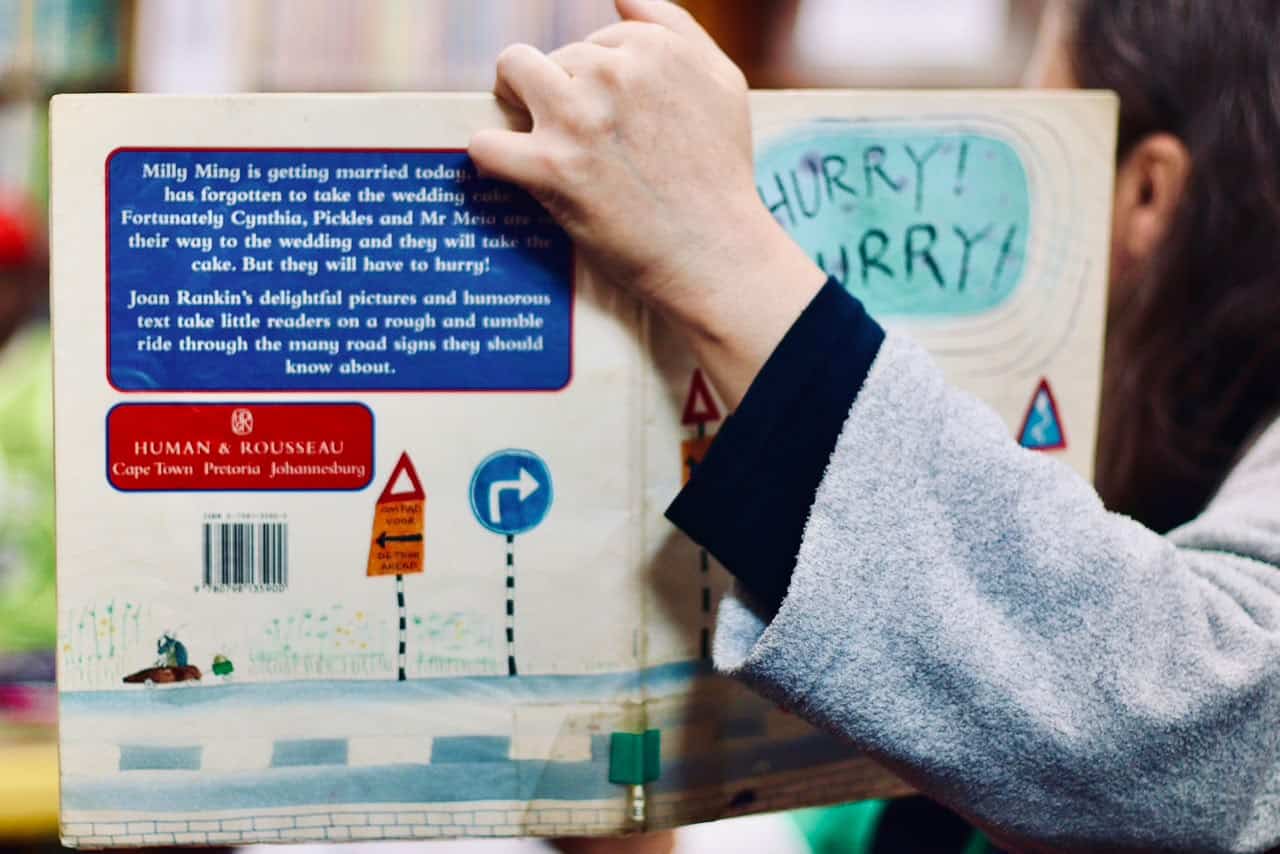
For younger children, it starts with the basics of traffic-light colours: red means stop, green means go, and yellow means stop and think. For older children, the lessons become more practical – looking right, left and right again before crossing, staying alert and not simply following friends into the road.
Sengoara said children can easily become distracted when walking in groups, particularly when they are talking or challenging each other. “Just paying attention, focusing, and not being distracted” is one of the most important lessons she would like children to remember.
She also encouraged young pedestrians to consider where they are crossing, whether it is at a traffic light, pedestrian crossing, stop sign or scholar patrol point, and to make sure vehicles have stopped before crossing.

For Sengoara, road safety is about more than simply telling children to “be careful”.
Understanding how pedestrians interact with traffic can also help children later in life when they become drivers themselves. She believes parents have an important role to play, particularly when children are passengers.
Conversations should include wearing seatbelts, not distracting the driver and ensuring younger children are properly secured in an appropriate child seat.
The programme also highlighted differences in how children understand road safety. Sengoara said some children view traffic lights from a driver’s perspective while others understand them mainly as pedestrians.
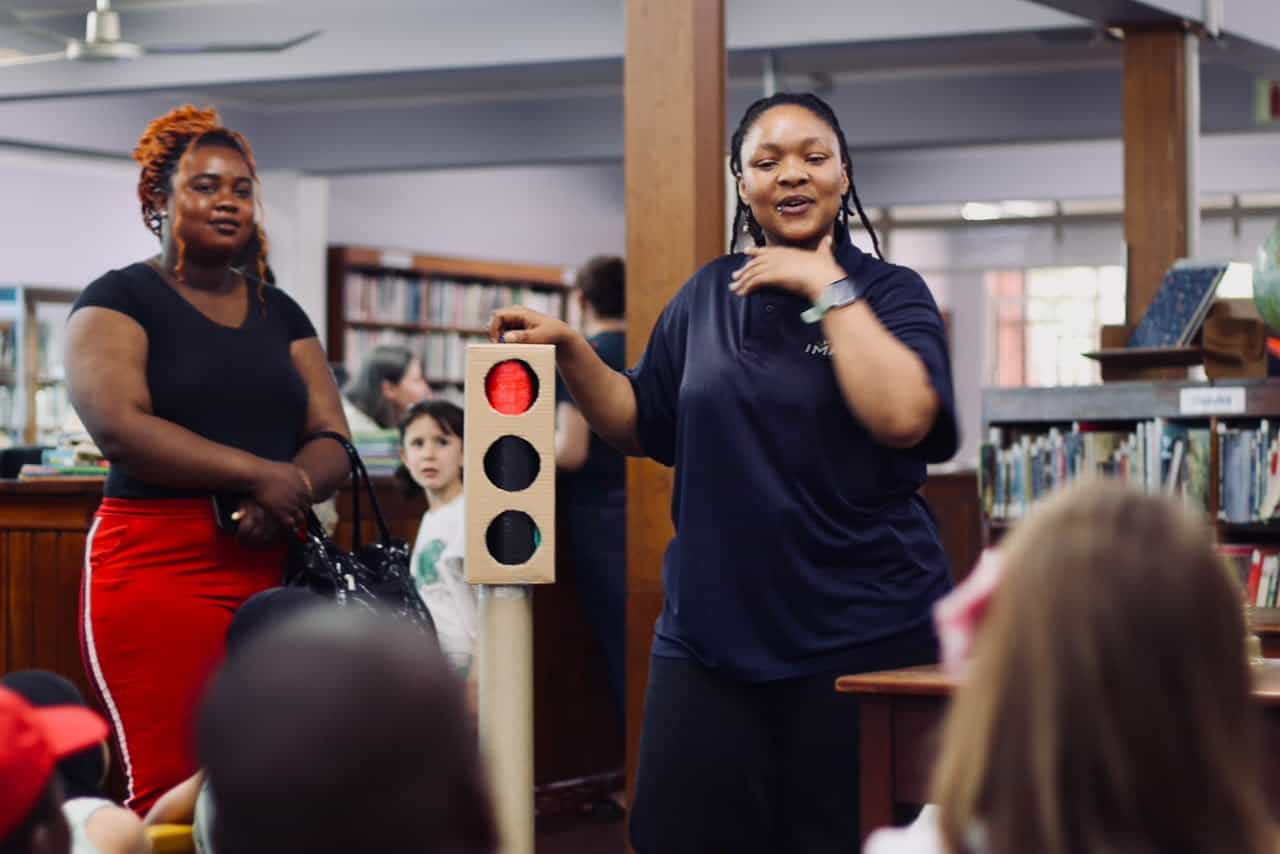
Photo: Neo Phashe
She believes fewer children are walking regularly than previous generations, with many being transported by parents or e-hailing services, which may mean they have fewer opportunities to develop an understanding of the risks around roads.
That is where practical learning can help. Games, repetition and visual activities can make road-safety messages easier for children to remember, Sengoara said.
“When they see the things that we’re talking about, and when they repeat them back at us, it just sticks in their mind for much longer,” she said.
Her message to the children is: stop, focus and take a moment before crossing. Even when the traffic light gives permission to cross, she said children should remain alert and make sure drivers are also following the rules.
For young road users, taking that extra moment could become one of the most important habits they learn.
Follow us on our Whatsapp channel, Facebook, X, Instagram, and TikTok for the latest updates!