Why Leon Kluge believes we need to reconnect with nature
This internationally acclaimed garden designer, says spending time among flowers can help people slow down, explore their creativity and feel grounded.
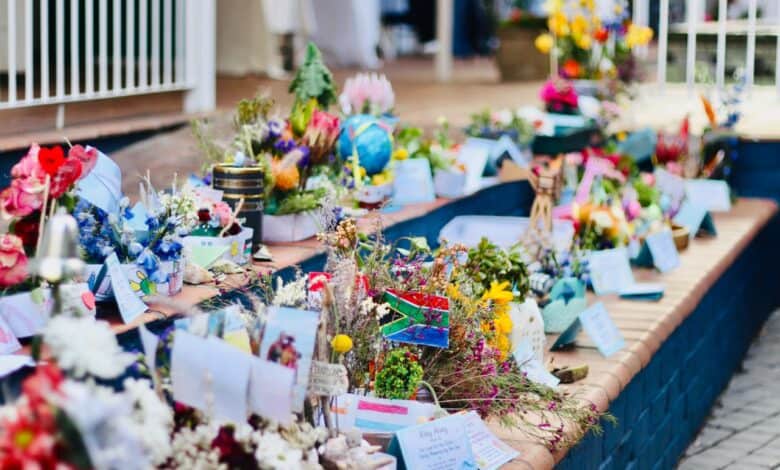
In a world of constant notifications, screens and busy schedules, Leon Kluge believes the simple act of spending time among flowers can help people slow down and reconnect with themselves.
The internationally acclaimed South African garden designer and floral artist was invited by Auckland Park Preparatory School to take part in its 105th birthday celebrations on October 2. While his morning session introduced schoolgirls to the world of plants and flowers, his afternoon talk to the public explored his deep connection to South Africa’s indigenous plants, which he boldly showcases at international competitions.
For Kluge, flowers have a way of bringing calm into even the busiest environments. He pointed to New York City’s high line – a public park built on a former elevated railway – as an example of how people seek out nature even in the middle of a bustling city. “When you have a bad day, a stressful day, just a hard day, go to your garden or a park, for that matter, take your shoes off, walk on the lawn. You’ll feel a lot better. It just earths you,” he said.
Read more: Melville resident finds purpose in preserving local nature reserve
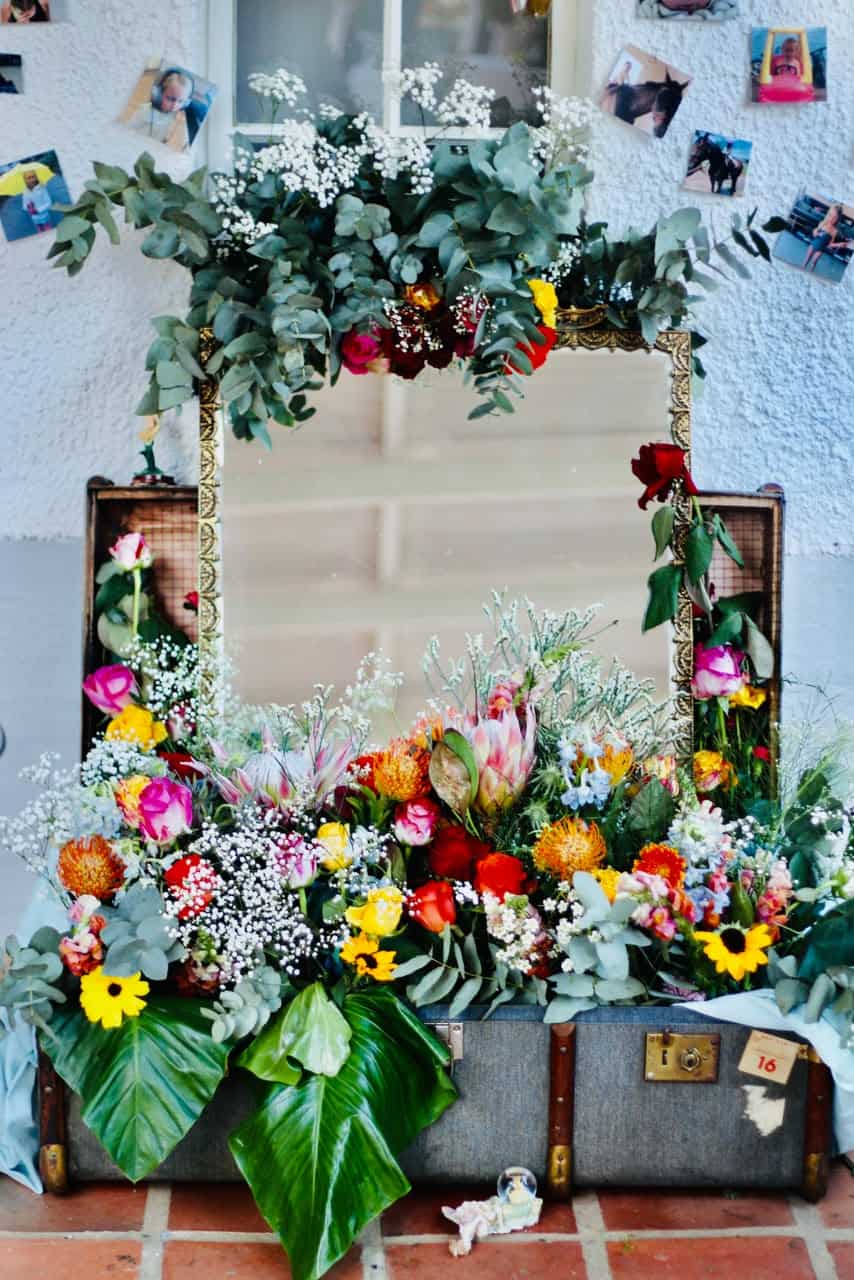
He believes flower arranging offers something more than simply creating a beautiful display. It requires patience and care because the material being worked with is alive. Arrangers have to consider colour, texture, shape and how individual flowers work together, while also keeping them alive for as long as possible.
Unlike decorating a room, Kluge believes there is no single correct way to arrange flowers when creating something for yourself. “As an artist, we all have our own fingerprints. Nobody’s going to be the same. Nobody’s right or wrong. It’s just your personality.”
Also read: Nature inspires Wits architecture students
That freedom, he believes, is particularly valuable for young people growing up surrounded by technology. Kluge worries that spending too much time on screens can come at the expense of exploring the physical world. “In a garden, you’re busy, you’re picking, you’re looking, you’re exploring,” he said.
He also believes there is an important difference between seeing a garden or floral design on a screen and experiencing it in a real space. “There’s a reality of installing it, and it needs to be alive in a space,” he said.
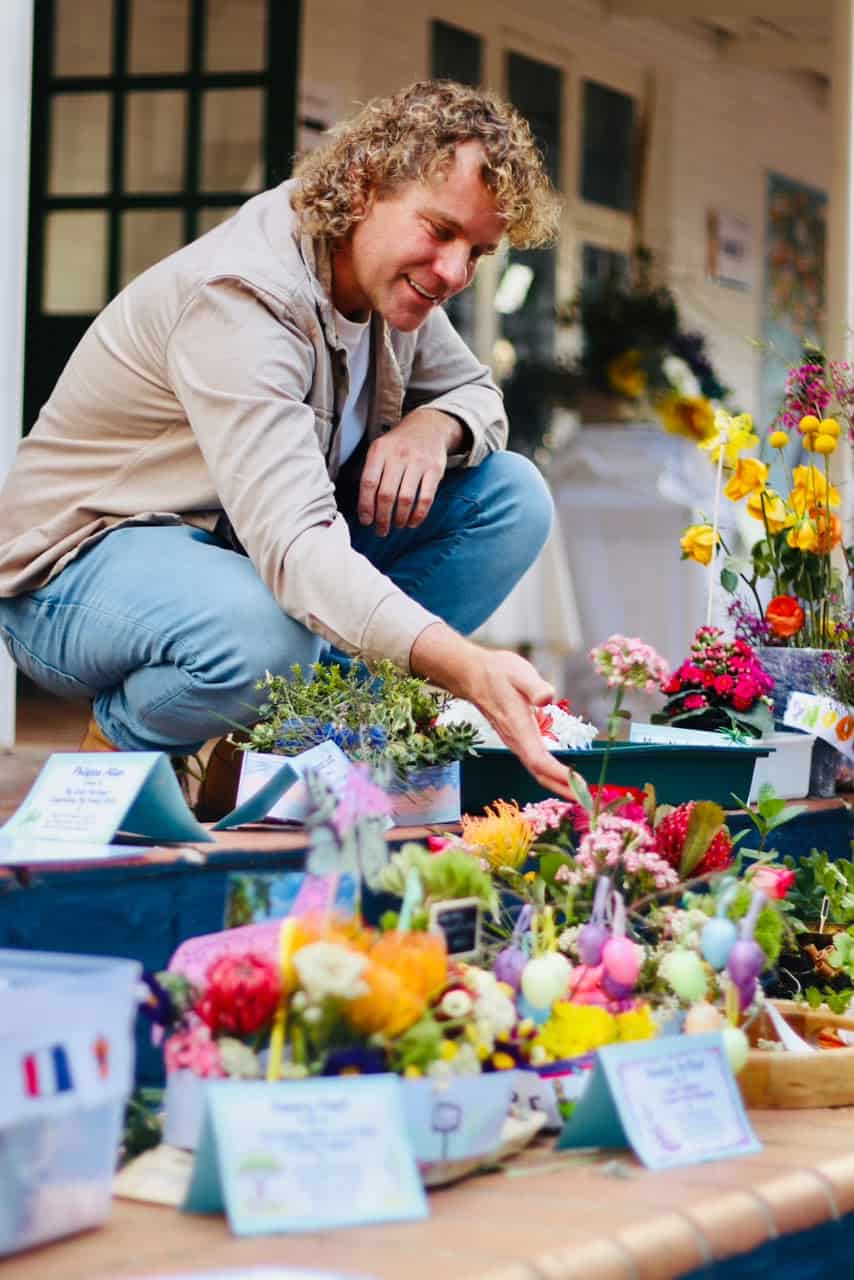
For Kluge, reconnecting with nature is not about rejecting technology, but remembering that people need experiences beyond it. “I believe everything goes in a circle,” he said. “We are now in the phone, but it’s going to come back to nature at some point.”
South Africa’s floral heritage, he believes, provides plenty of reasons to start looking closer. While the King Protea may be one of the country’s most recognisable flowers, Kluge points to smaller plants such as the Gazania, which he says has become widely popular internationally. The next time someone walks past a spectacular flower arrangement and thinks it looks easy, Kluge suggests taking a second look.
As a competitive floral arranger, he sees the planning and skill that can be hidden behind an apparently effortless display. “People just look and glaze over it,” he said, adding that a design can sometimes take weeks or even months to create.
Perhaps that is another lesson flowers offer: beauty may look effortless, but there is often patience, care, creativity and connection behind it.
Follow us on our Whatsapp channel, Facebook, X, Instagram, and TikTok for the latest updates!