Wits Social Good Hackathon participants build tech to tackle water leaks and service failures
From an app connecting residents with repair workers to a tool that prioritises water leaks, student teams are using technology to tackle problems affecting communities.
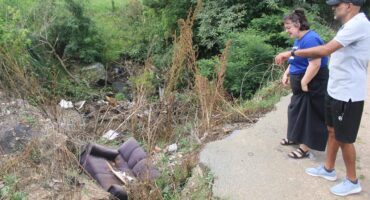
A burst pipe wasting water, a pothole damaging cars or a blocked drain left unattended can leave residents feeling powerless.
Technology, however, developed by students at the seventh Wits Social Good Hackathon, could soon help communities decide which problems need attention first, and connect them with people who can fix them.
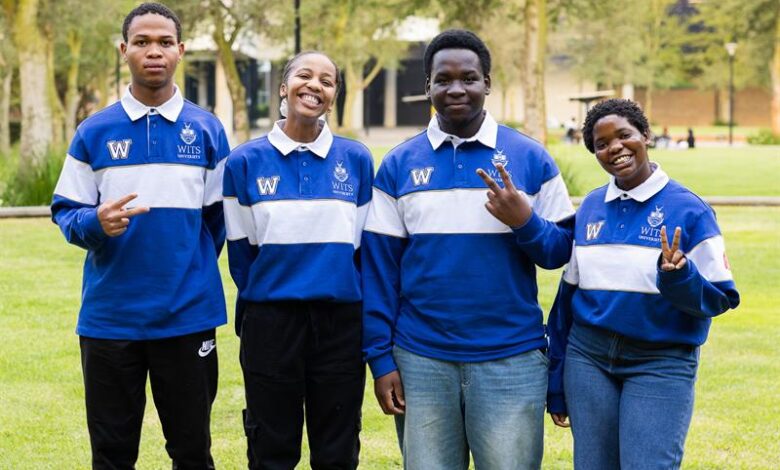
More than 300 students participated in the event, working on technology-driven solutions to real-world challenges. Taking first place was Team Buff Bytes with its app, Blockfix, which aims to connect communities with local workers to address neighbourhood issues. Team Ketnip placed second with a tool designed to prioritise water faults, while Team Code // Bear took third place with Mira, a patient/doctor communication platform.
For Blockfix team member Alton Maseko, the inspiration came from seeing the condition of public spaces in less affluent neighbourhoods. “I saw how dirty streets can be and how broken street poles can be in non-rich areas, and thought this would be a fitting project,” he said.
Read more: Wits Juniors U17 dominate late stages but settle for draw against Rockefvs FC

Developed by Maseko, Ndivho Shilling and Paballo Bopape, from Wits University’s School of Computer Science and Applied Mathematics, Blockfix allows residents to report problems by describing the issue, adding photos and pinning its location on a map. Other community members can then contribute funds towards resolving the problem, while registered workers can express interest in taking it on. The system assigns work based on factors including workers’ experience and qualifications.
Once a repair is submitted, the platform uses photos taken through the app and location verification to confirm the work was completed at the reported site. Community members can then vote on the repair, releasing payment to the worker if sufficient approval is received.
Maseko, however, acknowledged that important details still need to be resolved, including transparent management of contributions and how the platform will operate alongside municipal reporting systems. Blockfix remains a prototype, with the team estimating it needs another three months of development before a public release. A pilot community has not yet been selected.
Second-placed team Ketnip is tackling water lost through leaks and other faults. Using reports from My Smart City, the team’s tool weighs factors such as the type and severity of a fault and how frequently it is reported. It then considers available repair crews, budgets and working hours to help identify which combination of faults to prioritise.
Also read: Wits Juniors succumb to early Chiefs strike in tight clash at Marks Park
Team member Fakir Zaeem said the tool is intended to provide municipalities and service providers with an additional perspective on repair decisions, helping them reduce water losses while improving service delivery. The system combines classical and quantum computing, and the team hopes its early-stage solution could eventually address at least 10% of water losses. That figure remains a target rather than a measured result.
The team is now working to improve the model and develop features to keep residents and municipal departments informed as repairs are allocated, started and completed. It hopes to pursue partnerships and test the system using live municipal fault data.
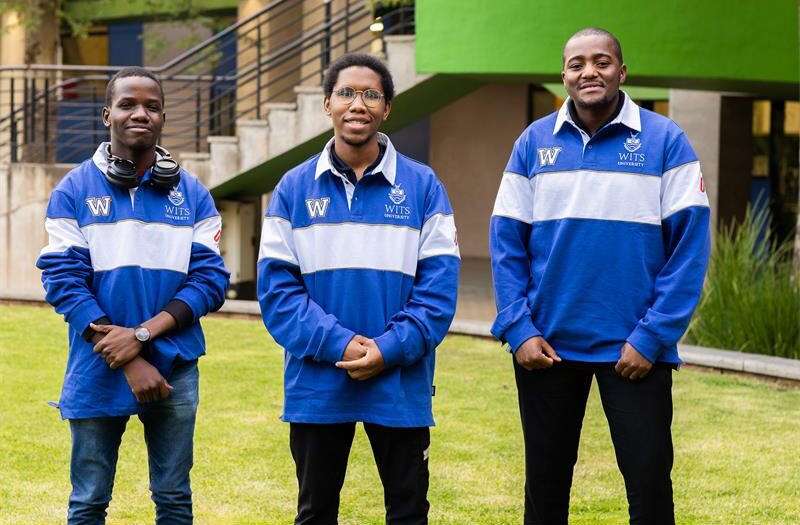
In third place, team Code // Bear developed Mira, a platform designed to help patients and doctors stay connected between clinic visits. According to a hackathon press release, patients can log symptoms, medication use and wound images, allowing healthcare providers to monitor recovery remotely. SMSs, USSD and community health workers are intended to support people without smartphones or reliable internet access.
The hackathon is a collaboration between Wits University’s School of Computer Science and Applied Mathematics and AdaptIT. Organiser Ndamu Gumane, of AdaptIT, said the event demonstrated what young people, industry and society can achieve by working together. The projects are at different stages of development, but share a common ambition: to use technology to make practical problems easier to identify, prioritise and address.
For Johannesburg residents, the next test will be whether these promising prototypes can move beyond the hackathon and deliver measurable improvements in the communities they aim to serve.