Pikitup confirms billions in municipal cash-sweeping system amid ongoing refuse collection delays
The waste management entity has confirmed that R2.15b was reflected in its unaudited financial statements under the City of Johannesburg’s cash-sweeping arrangement.
How much does the City of Johannesburg currently owe Pikitup, how long has the debt been outstanding, and what impact is it having on refuse collection operations?
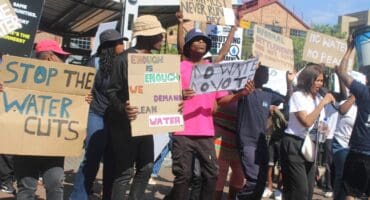
Pikitup has confirmed that R2.15b was reflected in its unaudited financial statements under the City of Johannesburg’s cash-sweeping arrangement, as concerns over missed refuse collections, an ageing fleet and operational disruptions continue to affect residents across the city. The disclosure comes amid complaints from residents in Westdene, Northcliff, Melville, Newlands, Bosmont and surrounding areas over repeated collection disruptions, including problems linked to the Waterval Depot.
Responding to the publication’s media query, Pikitup spokesperson Muzi Mkhwanazi said the entity was wholly owned by the City of Johannesburg and operated within the municipality’s centralised cash management system. “The amount referred to as part of the sweeping arrangement reported in the unaudited financial statements as at June 30 is R2.15b,” Mkhwanazi confirmed.
Read more: Pikitup faces waste collection backlog across Johannesburg amid fleet strain
He explained that cash was swept into a central pool daily and redistributed to municipal departments and entities to facilitate supplier and operational payments. Pikitup continued to engage with the city over its cash-flow requirements, with payments processed as funds became available. Mkhwanazi also pointed to the National Trading Service Reform programme, in which the city and Pikitup are participating, saying it seeks to ring-fence the entity’s cash flow. However, Pikitup did not provide a specific breakdown of how long the amount had been outstanding or quantify the direct effect of the cash-sweeping arrangement on individual refuse collection routes.
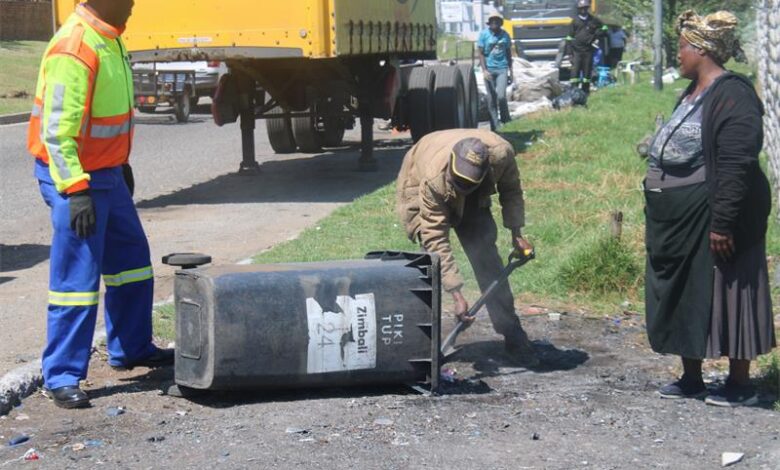
Pikitup attributed the major refuse collection backlogs experienced over the past six months to a strike by casual workers and truck breakdowns caused by an ageing fleet. According to Mkhwanazi, normal collections resumed from August 11 after the strike ended. He said no collections had been missed since then, while acknowledging that collection challenges arose again on October 5.
Those challenges, he said, had been recovered through ongoing daily efforts using the available fleet, with recovery work continuing into the current week. On concerns that landfill restrictions could worsen the accumulation of refuse in residential areas, Mkhwanazi said its landfill sites remained operational, except Marie Louise, which had been partially closed but continued to accept builders’ rubble.
Pikitup said working over weekends formed part of its recovery plan and was intended to address missed collections from weekdays.The continued disruptions have raised questions about accountability and the reliability of refuse collection services, particularly for households that continue to pay monthly municipal charges despite experiencing missed collections.
Also read: Pikitup collections return to normal, but supplier debt still casts a dark cloud
While Pikitup has cited the end of worker strikes and ongoing backlog recovery as signs of progress, key questions remain unanswered about the scale of missed collections, the direct operational impact of its cash-flow arrangements and whether affected residents will receive any form of relief.
The publication sent a media query to the city on October 16 asking for confirmation on the sweeping arrangement reported in the unaudited financial statements. No response was received by the time of publication, but follow-ups have been sent, and any reply will be updated once received.
Follow us on our Whatsapp channel, Facebook, X, Instagram, and TikTok for the latest updates!