Northcliff and surrounds’ youth voters share hopes for Johannesburg ahead of 2026 elections
Young residents from Northcliff and surrounding areas share their views on unemployment, education and the changes they want to see in Johannesburg ahead of the 2026 local elections.
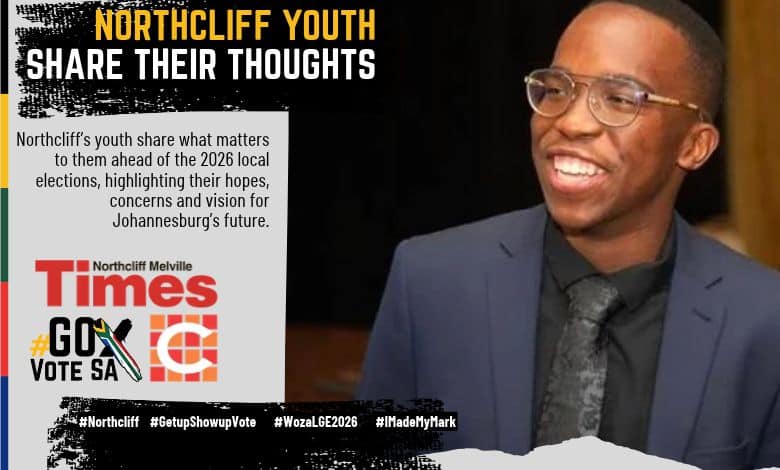
As young residents across the Northcliff Melville Times distribution area prepare for the 2026 local government elections, they share their views on voting, the challenges facing South Africa’s youth and the changes they want to see in Johannesburg. From tackling unemployment and improving education to creating safer, cleaner communities and strengthening service delivery, these young voices reflect their hopes for the city’s future and the role they believe they can play in shaping it.
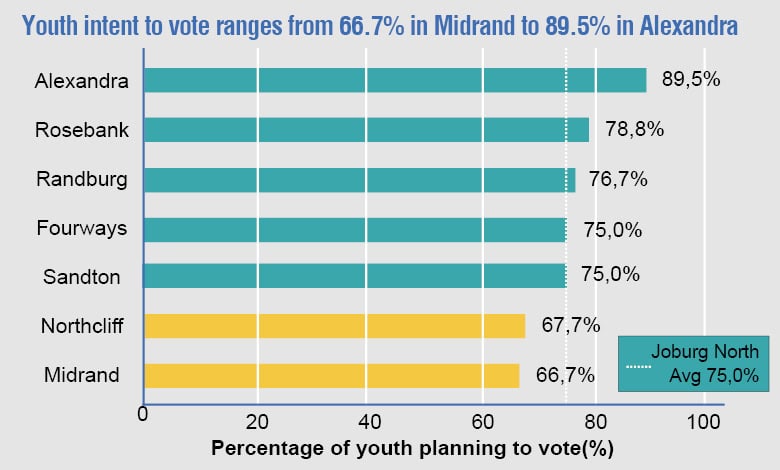
Ahead of the November 4 Local Government Elections, Johannesburg North journalists spoke to 240 young people aged between 18 and 36 across seven communities – Alexandra, Fourways, Midrand, Northcliff, Randburg, Rosebank and Sandton – to gauge their attitudes towards voting, democracy and municipal leadership.
Despite widespread disillusionment, 75% of young residents plan to cast their ballots, viewing their vote as an essential tool to demand accountability rather than a passive duty. Turnout intention peaks in Alexandra at 89.5%, where registration hurdles, rather than political apathy, remain the main barrier for non-voters.
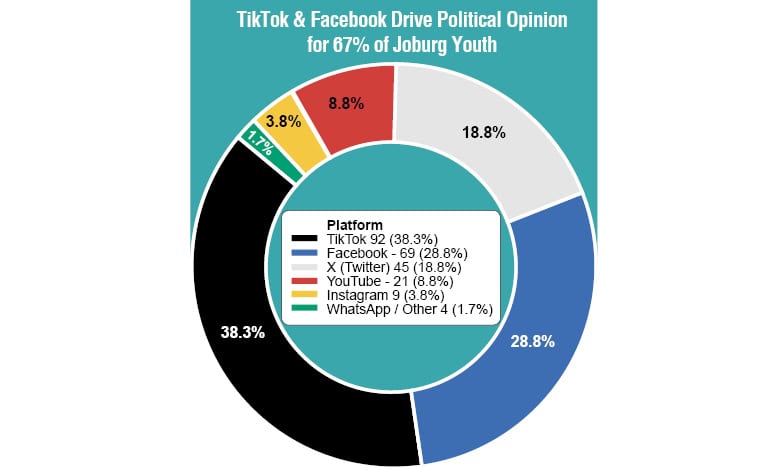
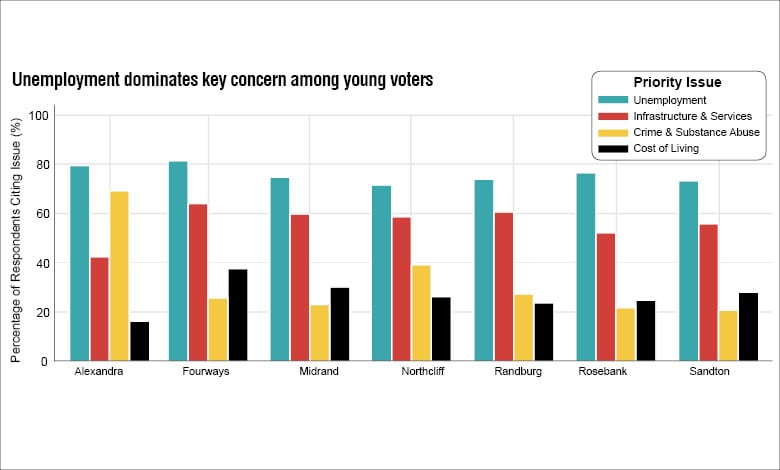
Youth unemployment stands out as the greatest crisis, cited by 71.7% of respondents as their top concern, followed closely by chronic infrastructure breakdowns in water and electricity supply. Political discourse has moved online, with TikTok (38.3%) and Facebook (28.8%) driving political opinions for more than two-thirds of young voters.
However, a steep civic literacy gap persists. While more than 75% of suburban youth recognise Executive Mayor Dada Morero, recognition drops to 31.6% in Alexandra.

Ultimately, young voters are demanding action over political promises, prioritising youth employment pathways, basic infrastructure repairs and community safety for Johannesburg’s next administration.
These were the questions we asked:
1. Name, age, sex, race and highest level of education
2. Will you be voting on November 4 or not? Why?
3. What is the most important issue to you facing the youth of today?
4. Have you voted before?
5. If you were of voting age at the last election, but did not vote, and will be voting this time, what has changed to make you want to vote?
6. If you were of voting age at the last election, but DID vote, and won’t be voting this time, what has changed to make you NOT want to vote?
7. What social media platform drives your political opinion most?
8. Do you understand local government properly?
9. Can you name the current mayor?
10. Can you name your ward councillor?
11. If you were Mayor of Johannesburg, what is the first thing you would do?
Njabulo Tsela
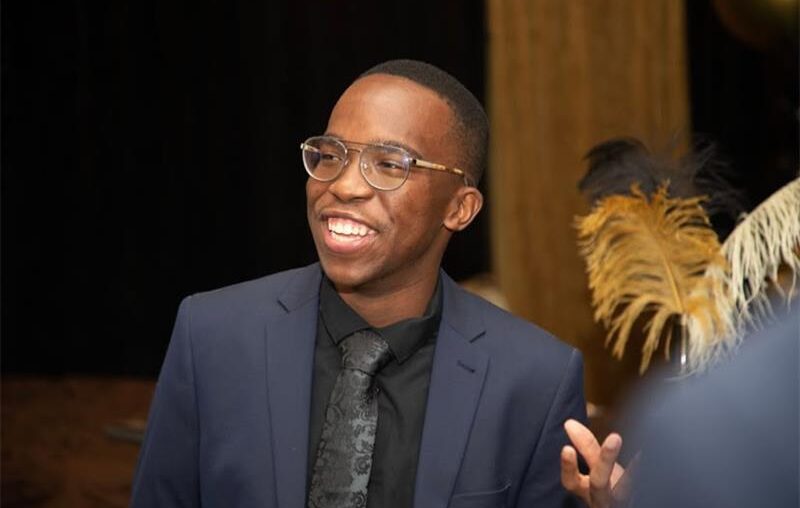
If I were Mayor of Johannesburg, the first thing I would do is put together and issue a plan towards fixing infrastructure in the city, particularly towards water. Critically, I believe that the plan and timelines need to be communicated; this may even already exist, but it is not clearly communicated to citizens and creates pessimism within communities when it comes to local government.
Nzuzo Magagula
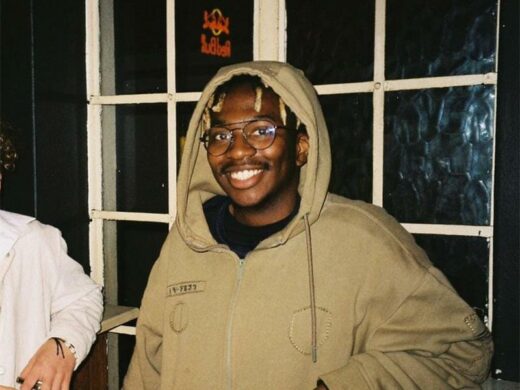
I will vote on November 4. It feels like either more people are becoming more extremely right-winged or they are becoming louder about it. Either way, I think that voting is an important element in curbing that trend, as it is the capacity that I can participate.
Kagiso Seerane
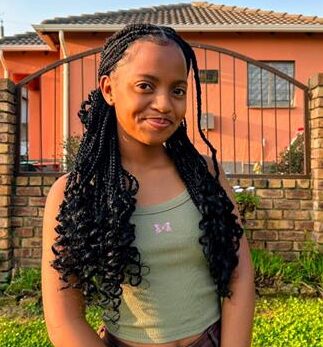
The most important issue facing the youth is young people struggling with being taken seriously when it comes to education … government schools are not clean or structured properly, and it gives children a lack of motivation to work hard coz government expects professionals from learners who can’t even use a computer because they lack them at school; the environment is dirty, they don’t take the kids to workshops, but they expect the kids to think big …that’s why most people take their kids to private schools that are far, and now kids get raped or injured on the way because of the long distances. Schools don’t have sports, science equipment, clean grounds, nothing motivational.
Follow us on our WhatsApp channel, Facebook, X, Instagram, and TikTok for the latest updates!