
University of Johannesburg relaunches Africa by Bus+ to expand learning opportunities across Africa
The programmes relaunch aims to strengthen academic partnerships, research and cross-border collaboration, with more than 1 500 students having taken part in the programme since 2017.
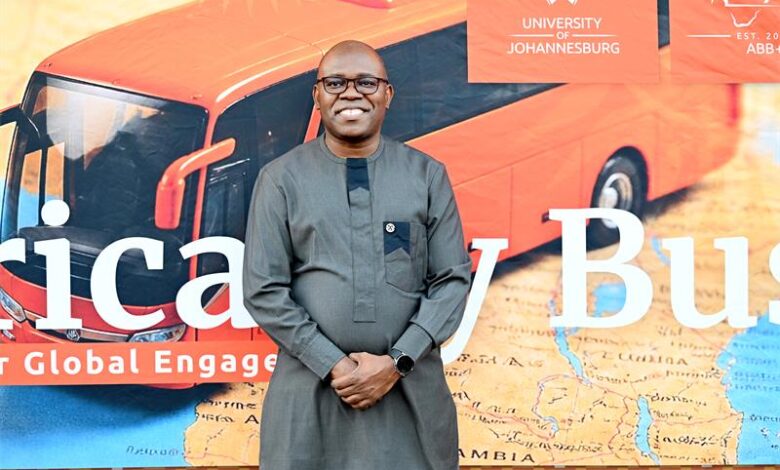
A university lecture can introduce students to the history, politics, cultures and challenges of the African continent, but experiencing those realities first-hand can offer a very different kind of education.
That is the thinking behind the University of Johannesburg’s (UJ) Africa by Bus+ programme, which has provided more than 1 500 students with opportunities to learn across borders since its establishment in 2017.
Initially created to encourage cultural immersion and exchange, the initiative has developed into a multidisciplinary academic mobility programme connecting students and staff with universities, institutions and communities across Africa. The programme was relaunched as Africa by Bus+ (ABB+) on October 16, marking a new phase in its development and a renewed emphasis on lasting partnerships, research, innovation and societal impact.
Read more: UJ claim 2-0 victory over SSU M-17 FC at AW Muller Stadium
Refilwe Moleyane, director of study abroad and international student services in UJ’s division for global engagement, said the initiative was established to strengthen students’ understanding of Africa and ensure that international exposure was not limited to destinations outside the continent. “Universities must prepare graduates to engage with the realities, opportunities and challenges of the societies in which they will live and work,” she said.
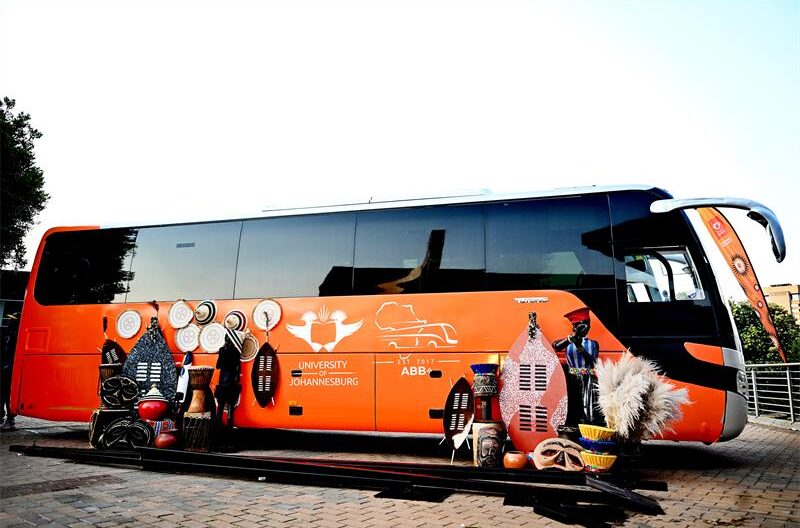
Through the programme, students have travelled to countries including Botswana, Namibia, Lesotho, Eswatini, Mozambique, Zambia and Zimbabwe. Their experiences have included university exchanges, research presentations, healthcare exposure, cultural heritage visits, community engagement and discussions about regional integration.
The journeys have also created opportunities for students to connect what they learn in lecture halls with challenges and developments beyond South Africa.
Moleyane highlighted how students from different academic disciplines have benefited from these experiences. Law students, for example, have identified similarities between South African and Namibian legal systems, while science students have explored opportunities for collaborative research. During the 2025 journey through Zimbabwe and Zambia, law student Masego Tserema said the experience helped her develop a deeper understanding of Pan-Africanism, while biotechnology student Lordy Gabriel Molisho described how visiting research facilities at the University of Lusaka strengthened his appreciation of academic excellence and the potential for African-led research.
Also read: EFF students protest alleged UJ registration fee hike
For Moleyane, these experiences demonstrate why learning across borders matters. The programme aims to challenge preconceived perceptions, develop intercultural competence and help students recognise the continent as a place for professional growth, entrepreneurship, research and collaboration.
The new ‘Plus’ in Africa by Bus+ reflects an ambition to extend the value of the journeys beyond the travel itself. Moleyane said the next phase would place greater emphasis on sustainable partnerships, measurable outcomes and opportunities for collaboration across disciplines. This includes strengthening relationships with host institutions and communities, widening student participation and ensuring that engagement is reciprocal rather than simply a visit from which participants take knowledge.

She said meaningful engagement should involve learning with communities, with host institutions and communities helping identify shared priorities and shape relevant activities.
The programme has already evolved through a number of academic journeys. These include a 2022 health sciences tour to Lesotho, which involved engagement with healthcare institutions and the National University of Lesotho, a 2024 Namibia programme involving 68 students and eight staff members, and a 2025 journey through Zimbabwe and Zambia focused on Pan-Africanism and regional integration.
The 2026 journey to Eswatini and Mozambique explored sustainable water availability and safe sanitation systems in support of the goals of Agenda 2063. Following the relaunch, UJ hopes to consolidate ABB+ as a sustainable platform for Pan-African education and collaboration, with success measured not only by the number of students who travel, but also by the relationships established and the contributions participants make afterwards.
Moleyane encouraged students to approach the continent with curiosity, humility and mutual respect. “Do not simply cross borders; build relationships that create opportunities, address shared challenges and contribute to the Africa we want future generations to inherit,” she said.
Follow us on our Whatsapp channel, Facebook, X, Instagram, and TikTok for the latest updates!