Is Joburg ready to weather an El Niño summer?
Residents fear the worst as experts warn that rising demand and possible below-average rainfall could test Johannesburg’s water network.
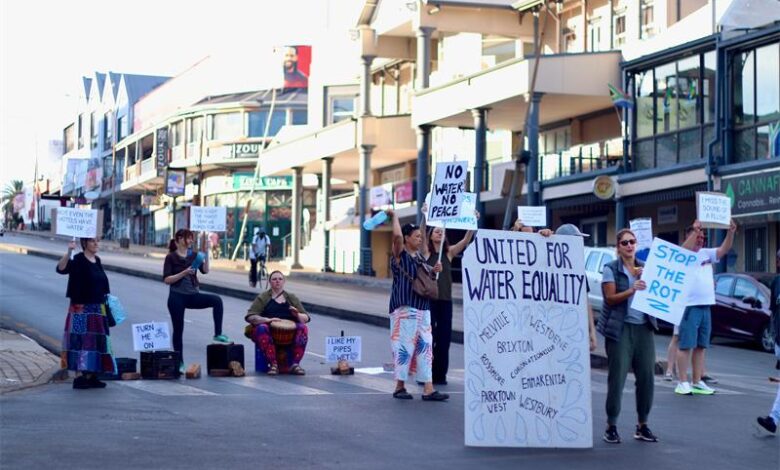
As summer approaches, the possibility of hotter and drier conditions is raising fresh concerns about Johannesburg’s water security, particularly in communities already battling unreliable supply.
Residents in Melville, Brixton and Crosby have raised the alarm over dry taps and prolonged interruptions. Their concerns are being sharpened by the possibility of a strong El Niño event, which could bring hotter conditions and below-normal rainfall to parts of southern Africa.
Water experts warn that the weather phenomenon could put additional pressure on an already strained system. However, they say the bigger concern is whether the infrastructure supplying homes and businesses is resilient enough to withstand further stress.
Dr Lester Goldman, chief executive of the Water Institute of Southern Africa, said the risk should be taken seriously, “El Niño can increase the chances of hotter weather and below-normal rainfall in southern Africa. If that happens, it can put additional pressure on our water supplies,” he said.
Goldman explained that higher temperatures can increase water consumption, while reduced rainfall may mean less water flowing into rivers and dams. “Below-normal rainfall does not mean there will be no rain,” he said, adding that authorities should monitor forecasts alongside actual rainfall, dam levels and water demand.
El Niño does not affect every place in the same way, and its effects can differ from season to season. Goldman said forecasts should be treated as guidance, not guarantees, and updated as conditions develop. Authorities should compare predictions with rainfall, dam levels and consumption instead of assuming that a dry season is inevitable.
Read more: Commando system water crisis hits Brixton SAPS as officers resort to buying water
Johannesburg’s water security depends on more than rainfall within the city. Goldman said much of the city’s water comes through the Integrated Vaal River System, which includes transfers from the Lesotho Highlands Water Project.
WaterCAN executive manager and water activist Dr Ferrial Adam believes the city’s existing difficulties should already serve as a warning. Adam said the city’s response had too often been reactive, with attention turning to individual failures rather than the condition of the wider network. She argued that preventative maintenance, replacing ageing pipes and repairing leaking reservoirs, were essential to building resilience.
A shortage may become visible at a household tap, but its causes can lie much further upstream. Adam said disruptions in one part of the network could affect communities for extended periods. She said water constraints affecting Melville and the Commando system had been ongoing for about three weeks. The impact would not be felt equally, she said. Poorer households and communities unable to afford storage tanks or purchased water would be particularly vulnerable if supply became less reliable.
Reservoir capacity, water losses and maintenance are central to the problem, she said. The city needs to repair leaking pipes and reservoirs and build sufficient storage to provide a buffer when the system comes under pressure. “Having water in the dam, it doesn’t mean we’ll have water in our taps,” Adam said. She also cautioned that tankers alone would not be enough to support vulnerable communities and informal settlements if shortages became more widespread.
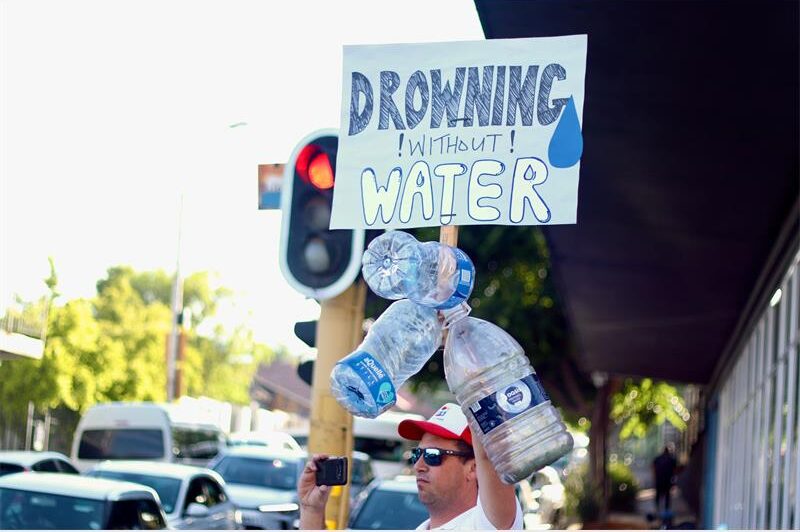
Pipes, pumps, treatment works and reservoirs require regular maintenance, while leaks and bursts must be repaired before they cause further losses.
Josh Nel, of the Melville Protest Committee, said residents were worse off than they had been a year earlier. He said interruptions had occurred before, but were not as long or frequent as those experienced more recently.
Nel questioned the progress of critical infrastructure projects and said residents lacked a clear plan for addressing the problems. While some work had been done, including at the Brixton reservoir, he believed it was not enough to meet the scale of the challenge. “Good infrastructure should be the bare minimum, but what we have now is bad infrastructure with even worse management and even worse communication,” he said.
For residents, the consequences are already part of daily life. Nel said prolonged interruptions had left communities frustrated by the lack of clear information. Without reliable updates, households cannot plan around outages or know when normal supply is likely to return. Goldman said municipalities needed more than plans on paper. They must identify vulnerable infrastructure, understand where the greatest risks lie and ensure they have the funding and staff to act.
Also read: Johannesburg Water sets out turnaround plans to improve water supply reliability
Goldman said alternative sources could help diversify supply, but each had limits. Groundwater must be assessed to ensure it is safe and not extracted faster than it can replenish. Rainwater harvesting depends on rainfall and storage, while wastewater reuse requires proper treatment, skilled operators and ongoing investment. These options can support a wider strategy, but cannot replace sound management of the existing network.
Johannesburg Water has said increased demand adds pressure to an already strained supply system. Its senior operations manager, Randhir Singh, said the entity was focusing on actively managing available resources and balancing supply with demand. Johannesburg Water has also urged residents to reduce consumption by fixing private leaks, avoiding unnecessary running water and adopting water-saving practices at home. Singh said the entity was monitoring reservoirs, managing pressure and prioritising repairs to leaks and bursts.
Whether the coming summer brings the conditions residents fear remains uncertain, but for communities already experiencing interruptions, the concern is immediate. The experts’ warnings point to a challenge that extends beyond the weather. Johannesburg must be able to store, manage and deliver the water available to it. If the system cannot reliably meet current demand, a hotter and potentially drier summer could expose those weaknesses further.
Follow us on our Whatsapp channel, Facebook, X, Instagram, and TikTok for the latest updates!