
Johannesburg Water sets out turnaround plans to improve water supply reliability
Smart meters, leak detection, and daily monitoring form part of a wider turnaround strategy to ease pressure on the city's strained network.
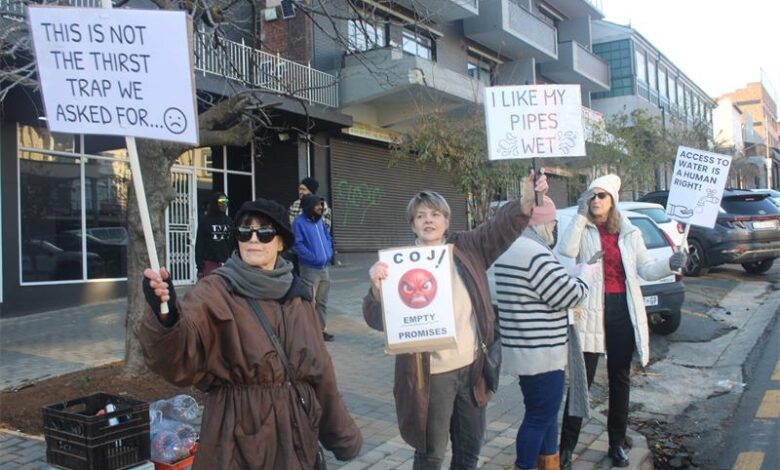
Johannesburg Water is pursuing operational, tactical and long-term interventions to improve water security and strengthen the city’s ageing infrastructure as recurring supply interruptions hit communities.
Johannesburg Water spokesperson Nombuso Shabalala said the entity’s plans form part of its turnaround strategy, which focuses on ensuring the security and availability of water supply and the sustainability of service delivery. At an operational level, Shabalala said Johannesburg Water tracks, monitors and reports on service delivery performance daily. This includes responding to customer complaints about burst pipes, leaking infrastructure and water outages. She added that their first-line response includes isolating affected sections of the network when bursts and leaks occur, containing water losses and carrying out repairs and reinstatement work.
It has also introduced a workforce and field service management system to modernise and digitalise complaints handling, with the aim of improving the efficiency and accuracy of responses. Shabalala said it had built internal teams for water, sewer and special services to strengthen its own capacity and retain institutional knowledge.
Read more: A flood of questions and a trickle of answers over Melvilles leaking water valve
Shabalala said they are also investing in skilled and unskilled staff, materials, spare parts, plant and equipment, as well as framework contracts to support repairs and preventative maintenance. She highlighted that Johannesburg Water is procuring its own water tankers to build internal capacity and reduce its reliance on external service providers.
At a tactical level, she explained that Johannesburg Water holds daily meetings with key customers in Gauteng, bulk supplier Rand Water and the Department of Water and Sanitation. “These engagements help monitor the Integrated Vaal River System and provide information on bulk water input volumes.”
She added that this allows them to manage the bulk supply system through measures such as throttling and restrictions, which help reservoirs and towers build up water overnight and during off-peak periods. Pressure management is also central to its efforts to reduce physical water losses and improve supply availability, with Johannesburg Water operating an extensive network of bulk and reticulation pipelines, reservoirs and pressure management infrastructure, including pressure-reducing valves.
The valves help maintain safe operating pressures, prevent pipe bursts, reduce leaks in ageing infrastructure and support reservoir level control. On a strategic front, Shabalala said the entity was identifying, planning and implementing infrastructure upgrades, renewals and replacement programmes to improve the availability and reliability of water.
Shabalala said these include replacing ageing pipes, meters and valves, repairing leaking reservoirs and constructing new reservoirs to increase storage capacity.
She added that the entity’s Water Conservation and Water Demand Management Strategy also includes repairing leaking reservoirs and towers, repairing and replacing zonal bulk meters, active and passive leak detection, and retrofitting or removing wasteful devices.
The installation of prepaid smart meters is also part of this strategy. Shabalala said its infrastructure and maintenance programmes depended on sustainable revenue collection, as money collected from water services supports the ongoing operation, refurbishment and expansion of the network.
She acknowledged that it faced financial and human resource constraints, an infrastructure renewal backlog and premature infrastructure failures linked to underfunding, citing electricity interruptions, theft and vandalism, illegal connections and population growth as factors that place additional pressure on water supply.
Also read: Hursthill 2 water system failure leaves residents without water for over 3 months
When prolonged interruptions occur, she said Joburg Water provides alternative water to residential customers and pre-identified municipal and public health facilities, including hospitals, schools and old-age homes.
This is arranged on a case-by-case basis when the entity is made aware of a supply problem and is coordinated through ward councillors.
Businesses and private entities are required to organise and store their own alternative water supplies.
Johannesburg Water said improving water reliability required both infrastructure investment and cooperation from communities, including protecting municipal assets, paying for water and reporting misuse of infrastructure.
Follow us on our Whatsapp channel, Facebook, X, Instagram, and TikTok for the latest updates!