
Student communes under scrutiny as Westdene residents warn of suburban changes
Residents are demanding answers from the City of Johannesburg, claiming that illegal construction and inadequate enforcement are changing the face of Westdene.
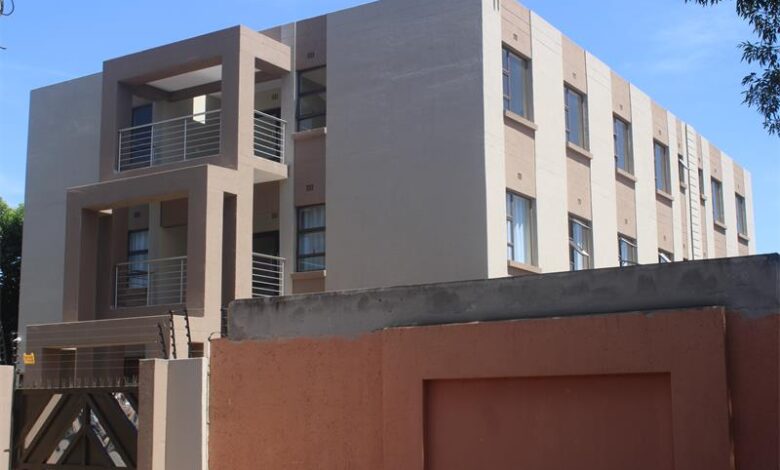
Westdene residents are raising concerns over the growing number of student communes in the suburb, warning that poorly managed accommodation, questionable building developments and pressure on municipal services could be changing the character of their neighbourhood.
Homeowners say they are not opposed to student accommodation, but insist that developments must comply with municipal regulations, respect surrounding residents and take the suburb’s already strained infrastructure into account.
Resident Roshad Cader said the issue was not the existence of communes, but how some were being managed. “We’re not anti-communes. If it’s a well-run commune, it’s not overly large and it’s maintained properly, fine,” she said.
Read more: Residents spruce up Westdene Dams gardens
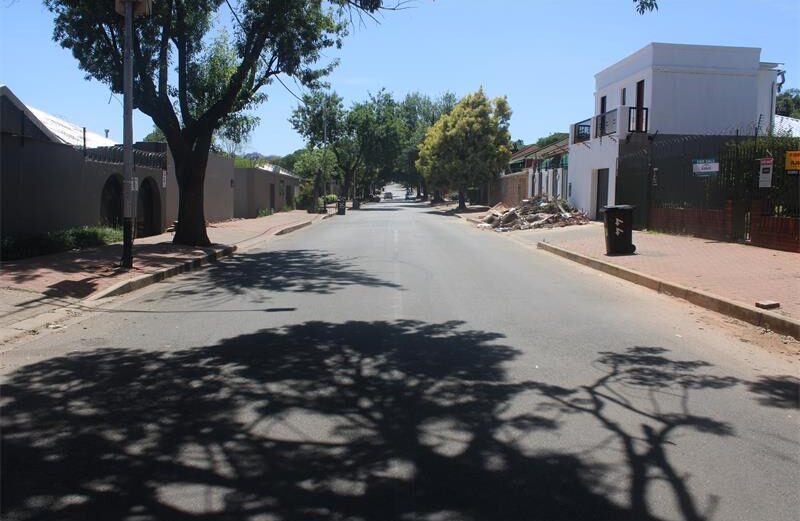
Cader pointed to a property on Motor Street, where she stated that residents had previously experienced months of excessive noise from late-night student parties. She said neighbours had repeatedly approached the occupants, sometimes having to involve the Johannesburg Metropolitan Police Department (JMPD) before the situation improved. She also questioned the lack of visible information about proposed developments, saying affected neighbours should be properly informed and consulted.
Beyond noise complaints, residents say the growing concentration of student accommodation is placing additional pressure on Westdene’s water, electricity and refuse services. Cader warned that increased residential density could worsen existing infrastructure constraints, particularly in an area already struggling with reliable municipal services.
Fellow resident Robert Burger said the City of Johannesburg (CoJ) was failing to adequately enforce its by-laws governing commune operations and building developments. He stressed that residents had no objection to properly managed communes, pointing to one nearby establishment where a caretaker, clear rules and an effective complaints system helped prevent problems. However, Burger questioned how municipal departments assessed applications for additional accommodation when the suburb was already experiencing service-delivery challenges. He said infrastructure capacity should be a key consideration before approval was granted.
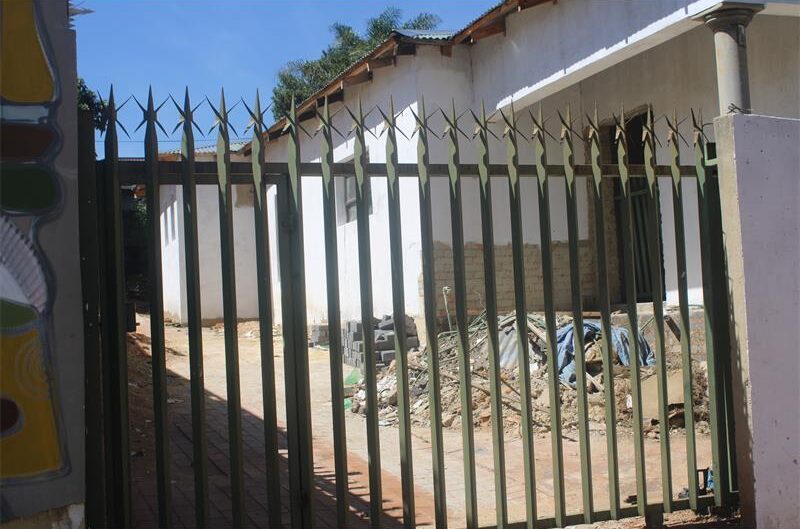
Also read: Westdene residents get their hands dirty for ‘Mind Your Dam Business’
The homeowners also believe the spread of communes is affecting Westdene’s established residential character and could have consequences for property values. Burger, who has lived in the area for 18 years, said the growth of student accommodation had become increasingly noticeable over the past three years. He also raised concerns about littering, particularly beer bottles left along streets, and said residents’ community clean-up initiatives often received limited support.
Both residents emphasised that their concerns were not about excluding students or opposing communal living, but about ensuring that developments are properly regulated and that existing homeowners are not left carrying the consequences of inadequate planning and enforcement. For them, the issue is ultimately about finding a balance between accommodating students and protecting the residential environment that has long defined Westdene.
City of Johannesburg spokesperson Nthatisi Modingoane said the municipality had identified Westdene for focused, area-based law enforcement operations to address illegal land use and building activities. The joint operation, involving planning law enforcement officers and building inspectors, will include the issuing of Section 56 fines under the Criminal Procedure Act and contravention notices under the National Building Regulations and Building Standards Act where structures have been erected or altered without approved building plans. Modingoane said fines would be referred to the municipal courts for prosecution, while property owners who fail to comply could face substantial property rates penalties.
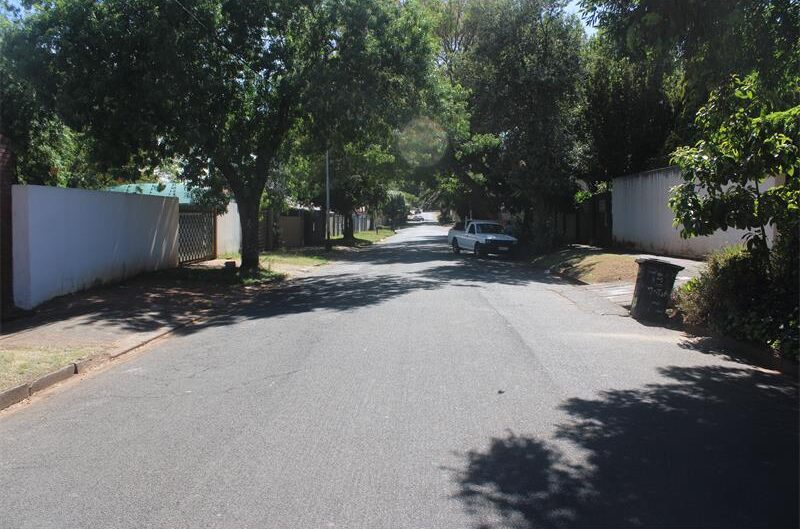
In cases where contraventions persist, the municipality may pursue civil proceedings through the magistrate’s court or High Court to obtain an order preventing the unauthorised use or development.
The city acknowledged that civil proceedings could take between six and 24 months to conclude, adding that the municipal court process had been introduced to speed up enforcement. Transgressors who fail to appear in court could face a warrant of arrest, while those found guilty could receive fines or imprisonment.
Follow us on our Whatsapp channel, Facebook, X, Instagram and TikTok for the latest updates!