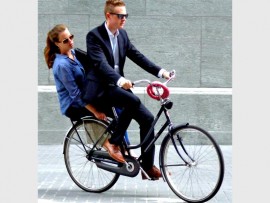
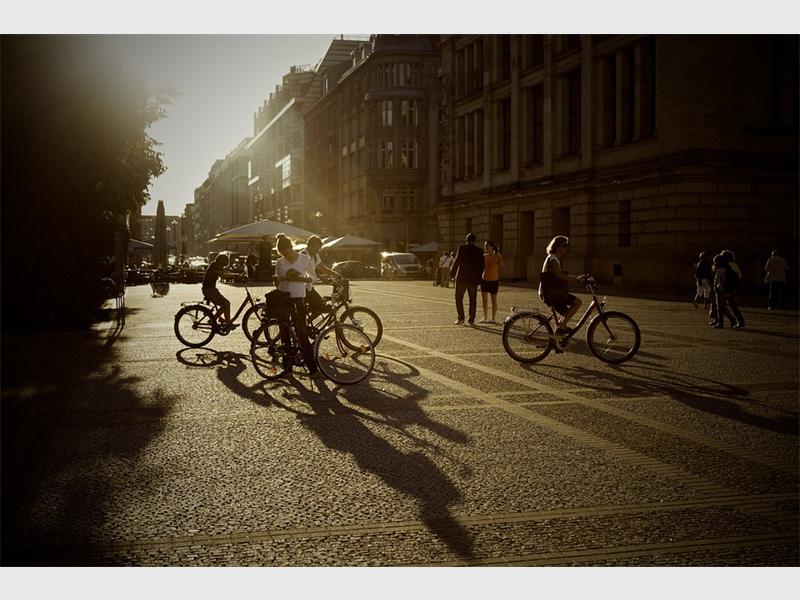
For days, passengers of Metrobus, had to make other arrangements to get to and from work. Although it was a major inconvenience for many, the lack of buses proved to be an opportunity to get the ole bicycle out of the shed.
However, gearing up to travel on two wheels is not always as simple as it seems. Here is a list of handy tips from the Johannesburg Urban Cyclist Association (Juca) to make your life as a city-cyclist easier:
Here is a list of handy tips from the Johannesburg Urban Cyclist Association (Juca) to make your life as a city-cyclist easier:
– Plan your route so that you stay off busy arterial roads wherever possible (see Juca’s cycle map).
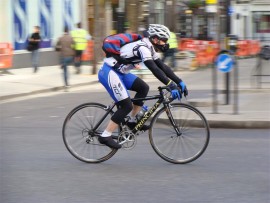
– It is very important to be visible to motorists, so use a high visibility vest or lights to ensure you are noticed.
– Be aware and anticipate what vehicles, cyclists and pedestrians might do that will require you to take action. Try to make eye contact with drivers to make sure they have seen you.
– Don’t pass large moving vehicles, such as buses and trucks on the left side. These vehicles often have blind spots and may not see you when they subsequently turn left or push up against the side walk.
– Remember a helmet, spare tube, puncture repair kit, and lights especially if you plan to cycle at night or dusk.
Trading the bus for the bicycle also has its benefits:
– There is no need to squeeze your way through hundreds of other passengers scrambling to get to work on time.
– There is nothing more refreshing than fresh air filling your lungs.
– You get to meet new people everyday.
– You save money by not having to fork out a bus fee. Score!
Remember, according to Juca, a beginner cyclist will manage about 15 kph, so a 5km commute will be about 20 minutes.
The Metrobus strike that started last week Friday has now come to an end. Negotiations between the company and its employees’ union have been successful and drivers are expected to return to work on Wednesday.