Remembering the heroes
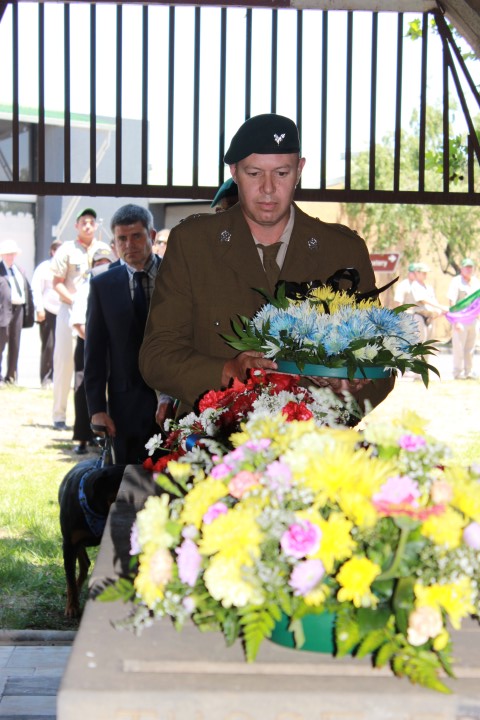
This year members of the Memorable Order of Tin Hats in Newcastle, along with the Drakensberg Commandos, organised the annual parade in honour of the fallen.
On the eleventh hour of the eleventh day of the eleventh month in 1918, the signed order for the cessation of hostilities on the Western Front of World War I came into effect.
The date was declared a national holiday in many allied nations, to commemorate those members of the armed forces who were killed during the war.
In many parts of the world, people observe one minute, or more commonly, two minutes of silence at 11am local time as a sign of respect, in the first minute for the roughly 20 million people who died in the war, and in the second minute dedicated to the living left behind, generally understood to be wives, children and families deeply affected by the conflict.
In Britain, beginning in 1939, the two-minute silence was moved to the Sunday nearest to 11 November in order not to interfere with wartime production should 11 November fall on a weekday. After the end of World War II, most Armistice Day events were moved to the nearest Sunday and began to commemorate both World Wars. The change was made in many Commonwealth countries, as well as South Africa, and the new commemoration was named Remembrance Sunday or Remembrance Day.
This year members of the Memorable Order of Tin Hats in Newcastle, along with the Drakensberg Commandos, organised the annual parade in honour of the fallen. For the first time, the march included a ‘war’ horse, in honour of the brave horses who were sent to the front lines of the battle. During World War I, one million horses were sent into battle of which only 62 000 returned.