Fast action saves endangered vultures from cruel poisoning death
At this stage the exact source of the poisoning or the substance that was used to poison these birds has not been determined.
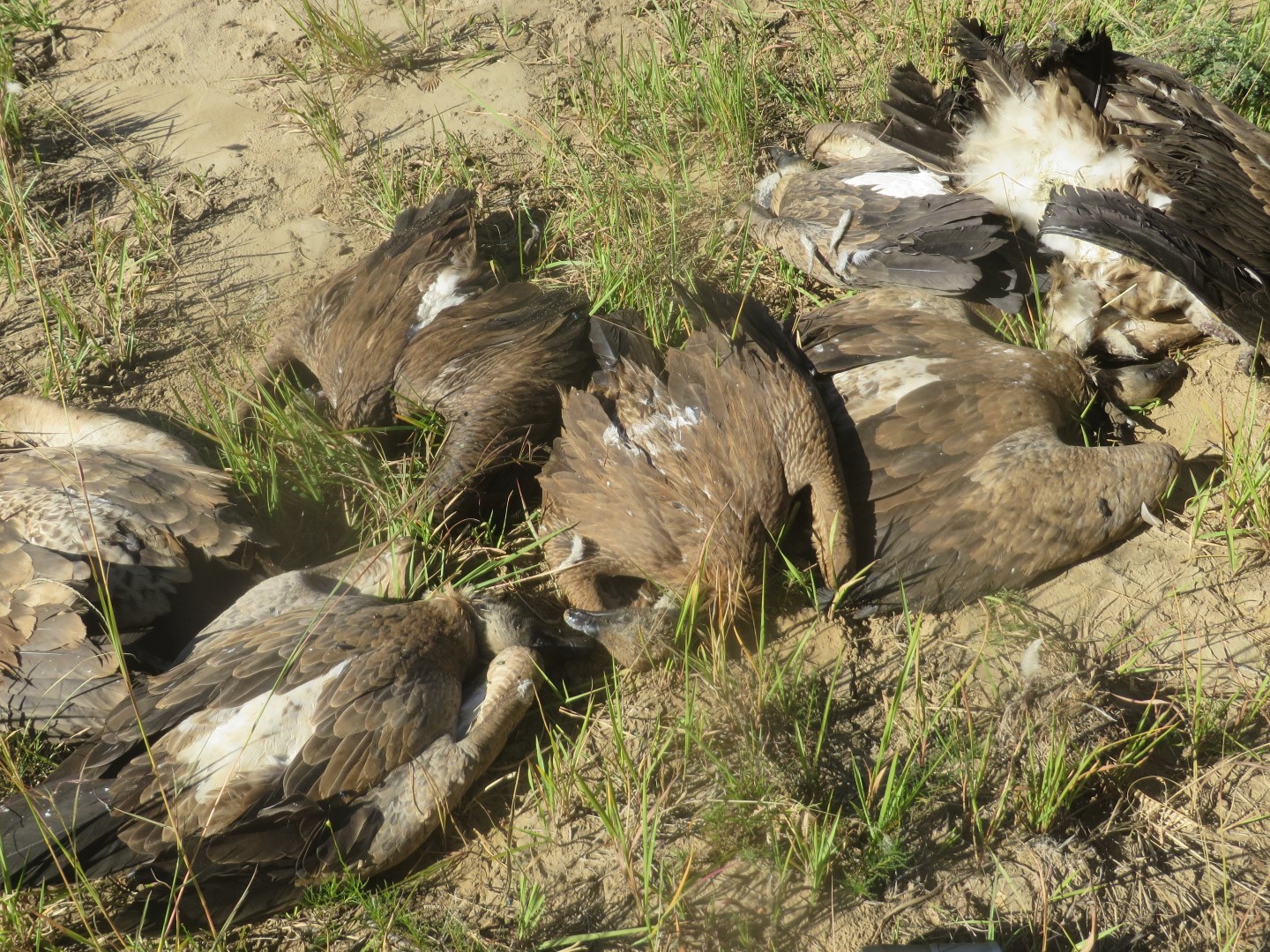
Nine critically endangered African white-backed vultures have been found dead from poisoning on a farm in the Dundee/Helpmekaar district.
Another white-backed vulture and four endangered Cape Vultures were recovered – also showing signs of poisoning – by the Raptor Rescue Rehabilitation Centre (RRRC) team that was dispatched from Pietermaritzburg with the necessary first aid medicine and equipment.
Bradley Gibbons, Senior Field Officer, Threatened Grassland Species Programme with the Endangered Wildlife Trust, told the Courier that it is likely that the birds suffered from poisoning after eating carrion laced with an unknown chemical.
“Thanks to an intensive search involving staff from the Endangered Wildlife Trust, RRRC, a bird rehabilitation volunteer from Newcastle, the air-wing of the Ezemvelo KwaZulu-Natal Wildlife Honorary Officers, the Stock Theft Unit of the SAPS and the landowner over two days, they were able to recover the dead vultures and rescue the sick ones.”
One of the Cape Vultures had also suffered a broken wing, and required additional treatment for this injury. The other birds have already been moved to recovery enclosures and are expected to be released as soon as their condition allows.
Used for muthi-purposes
“The indiscriminate use of poison is one of the major causes for the current decline in vulture populations across most of Africa. Africa’s vulture populations cannot sustain losses such as this and the current decline may well have serious ecological and human health consequences in the longer term,” said Bradley.
At last 294 vultures are known to have been killed through poisoning in South Africa since January 2016. Considering the relatively small populations of these birds in the country, losses of this scale cannot be sustained. The Zululand-region of KwaZulu-Natal has been identified as a known vulture poisoning hotspot and vulture populations in this area have declined substantially over the last 15 years, primarily due to poisoning and the illegal harvest of these birds for muthi-use.
The EWT’s Birds of Prey Programme is working with a range of partners throughout Africa to address this threat.
This includes conducting training in poisoning incident intervention and investigation methods to reduce the impact of poisoning events and to support effective law enforcement and prosecution of perpetrators of these acts.
The training also provides guidance in terms of contingency planning and preparation for such incidents.
At this stage the exact source of the poisoning or the substance that was used to poison these birds has not been determined.
The case is under investigation by the SAPS Glencoe Stock Theft Unit and members of the public that can provide information in this regard are asked to please contact Warrant Officer Stephen Brown at 082 880 8629.