Whites, blacks and selfies under the spotlight at Ncome conference
"Terms like black/white/Indian should be removed if we are to move towards reconciliation and social cohesion."
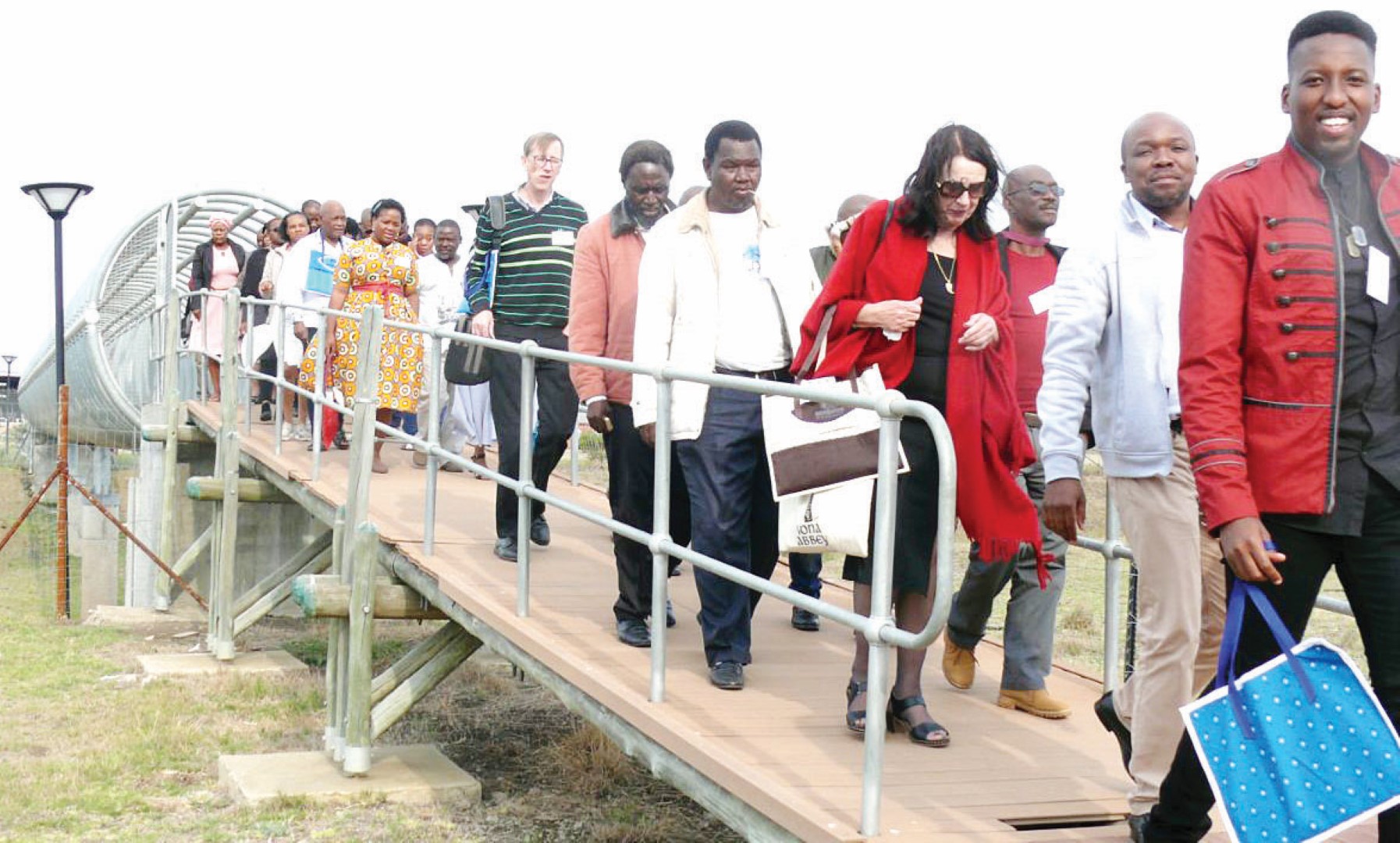
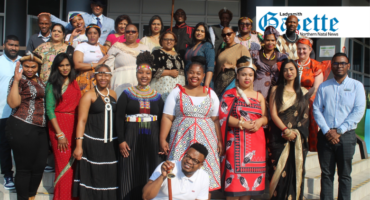
The lack of ‘white involvement’, the focus of the youth on ‘taking selfies’ rather than knowing where they come from and other thorny social issues were debated at the fifth Courageous Conversations conference at the Ncome Museum.
A panel of delegates comprising of historians, Government representatives, social anthropologists and others took to the stage in a bid to help South Africans cross the mythical bridge of social cohesion.
The Reconciliation Bridge, linking Ncome Museum (the Zulu side) to the Blood River Museum has finally been opened after the Department of Arts and Culture eventually agreed that an entrance fee booth would be put up to ensure visitors to Blood River do not get a free pass. There is no entry fee to the Ncome Museum.
Nhlanhla Nkosi, a Youth Social Cohesion Advocate, raised eyebrows when he said ‘the youth these days are addicted to social media and would rather take selfies (for Facebook) than focus on culture’. “They are moving away from the reality of who they are,” he opined.
N Shozi, a Masters Student at UKZN, took issue with this, claiming that ‘social media has no impact on youth or on social cohesion’. Mr Shozi, whose topic was on “Crossing the bridge through fostering social cohesion”, said ‘it is bad when black people view other races as bad and that this prevents cohesion’.
In his address, Prof Kwamkuma Antonia said there is nothing ‘bad about our differences because we are in a good cosmopolitan state, but one must understand the reality that other cultures are stronger and luckier than others.’ He added that social cohesion can be achieved despite adverse views and violence against immigrants.

Is the old flag illegal?
Mrs N Govender, of Grassroots Level of the Indian Community, asked the conference why conversations referred to race because everyone is a South African.
“Terms like black/white/Indian should be removed if we are to move towards reconciliation and social cohesion.” There was also a debate regarding the flying of the old South African flag, dubbed the apartheid flag by most panellists, which they said is illegal. Some said it is not illegal but the conference never concluded on what the law says.
Historian, Johann Hamman, told the Courier that the old flag is not illegal but the new flag is the only flag that can be raised on State buildings etc.
The old Voortrekker flags flown on December 16 are the old flags used by the Boers and should be seen as historical symbols rather than a ‘threat’.
Prof Bheki Mngomezulu, an international relations political analyst, said ‘a black is still always a suspect and the races do not automatically trust one another and the contradictory versions of the battle of Blood River (in 1838 between the Voortrekkers and the Zulus) block reconciliation’.
Cecilia Kruger. managing director of the Voortrekker Monument, told delegates that social cohesion can be achieved through mutual respect of differences and communication.
Dr Raj Govender, the Director of the Department of Arts and Culture, said ‘white people do not want to be part of conversations because they don’t show up after invitations have been sent out’.
The successful Courageous Conversation Conference 2017 programme was directed by Phumulani High School of Nquthu Principal, Linda Kubheka. Other panelists included Dr Pearl Sithole, the Commissioner at the KwaZulu-Natal Public Service and the Council Member of Msunduzi and Ncome Museum’s Mary de Haas a Social Anthropologist and Violence Monitor. The conference was officially acknowledged by Nquthu Municipality, Mayor SM Kunene and local traditional leader, Inkosi Molefe who also addressed delegates. Ncome Museum Curator, Thuli Mseleku, reported that the conference was a huge boost for Ncome Museum and was grateful for the co-operation with the Voortrekker Museum.