
No chocolate treats for pets – an Easter warning
Sugar and caffeine will always pose their own health risks for pets and humans alike, so it is not recommended to feed pets any substance that has these ingredients in them.
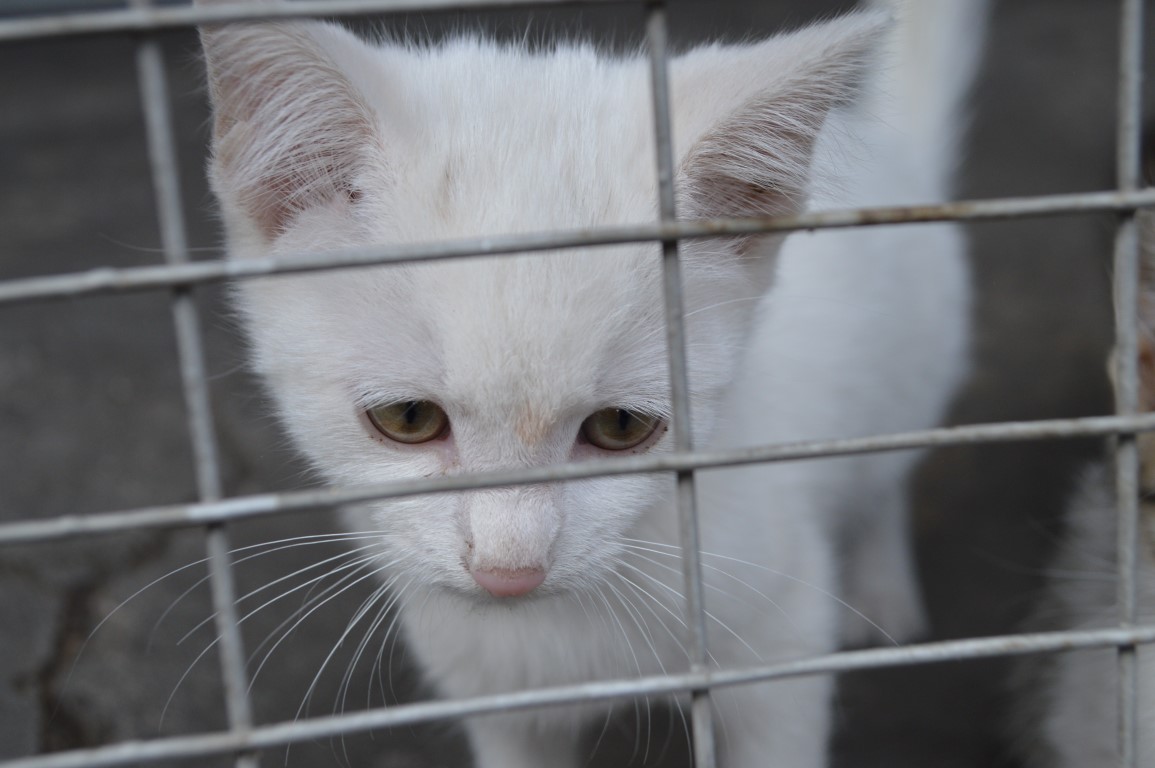
What would life be without chocolate? It’s delightfully sweet taste and creamy texture has the ability to ease a broken heart, improve a bad day or satisfy a craving. However, this dieter’s weakness and health nut’s reward could have dire consequences for your pets if ingested by them. So, especially with Easter often being celebrated with copious amounts of chocolate, the PFI (Pet Food Industry Association of Southern Africa) would like to warn pet owners against sharing this favourite treat with their pets, including cats who are often overlooked when considering the forbidden pet foods list.

Sugar and caffeine will always pose their own health risks for pets and humans alike, so it is not recommended to feed pets any substance that has these ingredients in them. In the case of chocolate, however, it is theobromine that is the real concern. This natural stimulant is found in cocoa beans and acts as a diuretic and cardiac and central nervous system stimulant, causing a loss of body fluid and increases the heart rate. Humans are not affected in the same way because we have the required enzymes to metabolise theobromine efficiently, whereas pets do not. Theobromine will, therefore, build up to toxic levels in your pets, which sadly can have lethal effects.
Although there are various factors to consider, which do contribute to the level of poisoning, such as the size of the animal, type of chocolate consumed (dark chocolate being the worst) and the amount ingested, it is still best to play it safe and avoid this toxic food stuff altogether, since as little as 100mg of theobromine per kg of bodyweight is considered toxic.
Pets can be sneaky though, so if your pet has managed to guzzle down some of your chocolate stash without you knowing here’s what you need to do:
1. Make contact with your vet for professional advice
2. If symptoms of chocolate poisoning are noted rush to the vet immediately – these include:
Extreme thirst and energy
Diarrhoea and / or vomiting
Pacing, panting and shaking, which leads to increased urination, tremors & seizures and a racing heart which may ultimately result in a heart attack.
3. Have information ready for your vet:
How much chocolate was eaten?
What type of chocolate (wrappers will be useful)?
How much time has passed since ingestion?
A sample of their vomit may also be helpful.
Easters come and go but chocolate is ever present, so consider this advice all year round. When looking for tasty treats for your pets, to reward them for their good behaviour, rather look to pet-appropriate treats or specially formulated pet chocolates, suitable for pet consumption.