
Why do we celebrate Youth Day?
Youth Day is the day that honours the deaths of many Soweto schoolchildren back in 1976, a day that changed the course of South Africa’s history
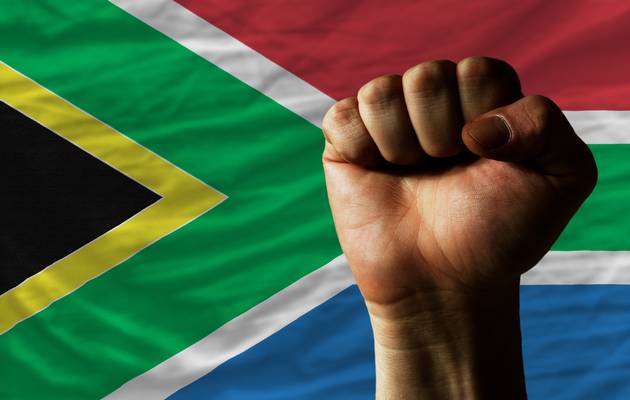
Today (June 16) is National Youth Day.
Youth Day is the day that honours the deaths of many Soweto schoolchildren; a day in 1976 that changed the course of South Africa’s history.
On that day, the government and police were caught off guard when the simmering anger of schoolchildren finally burst, releasing an intensity of emotion that the police controlled aggressively. SA History Online puts the number of dead at 200, far higher than the official figure of 23.
In 1976, the government introduced the compulsory use of Afrikaans as a medium of instruction from Grade 7 (then Standard 5). Pupils, teachers and principals opposed the ruling on Afrikaans, for more or less the same reasons – teachers were ill-equipped to teach in the language, which was, for most, a third language.
When schools re-opened in January 1976, parents and principals were unhappy. At a meeting called by pupils, they agreed that on June 16, pupils throughout Soweto would gather in a mass demonstration against Afrikaans.
On June 16, as planned, they set off for Orlando West Secondary School, with thousands coming in from all directions.
Over 5000 pupils had gathered in Vilakazi Street, with many more streaming in – a total of 15,000 uniformed pupils were there. The plan to move to the Orlando Stadium did not happen because police, who had been called in, formed a wall facing the pupils, warning them to disperse; an order met with resistance. Tear gas was fired into the crowd and in the chaos, children ran back and forth, throwing stones at the police, who fired more tear gas.
Then came the first shot – straight into the crowd – and more shots were fired by police and 12-year-old Hector Pieterson fell to the ground.
Then all hell broke loose. Pupils targeted apartheid symbols, administrative offices, government buses and vehicles. Municipal beer halls were first looted and then set alight. By the end of the day, thick clouds of black smoke hung over the township and the streets were littered with upturned vehicles, stones and rocks.
Anti-riot vehicles poured into Soweto, roadblocks were erected at all entrances and the army was placed on alert.
Violence spread to another volatile Johannesburg township, Alexandra, and then across South Africa. By June 18, all schools in Soweto and Alexandra had been closed by the authorities.
International solidarity movements were roused and gave their support to the pupils, putting pressure on the government to temper its repressive rule. This pressure was maintained throughout the 1980s, until resistance movements were finally unbanned in 1990. Principals were almost immediately allowed to choose their own medium of instruction, a major victory for the pupils.
This is a very brief outline of why June 16, which was first known as Soweto Day but then changed to Youth Day, is commemorated in South Africa each year in June, which is also Youth Month.
Click to receive news links via WhatsApp. Or for the latest news, visit our webpage or follow us on Facebook and Twitter. Join us there!