
Drought strengthens – impacting heavily on agriculture
Food security could be under threat in the district because of the poor rainfall, poor distribution of rain
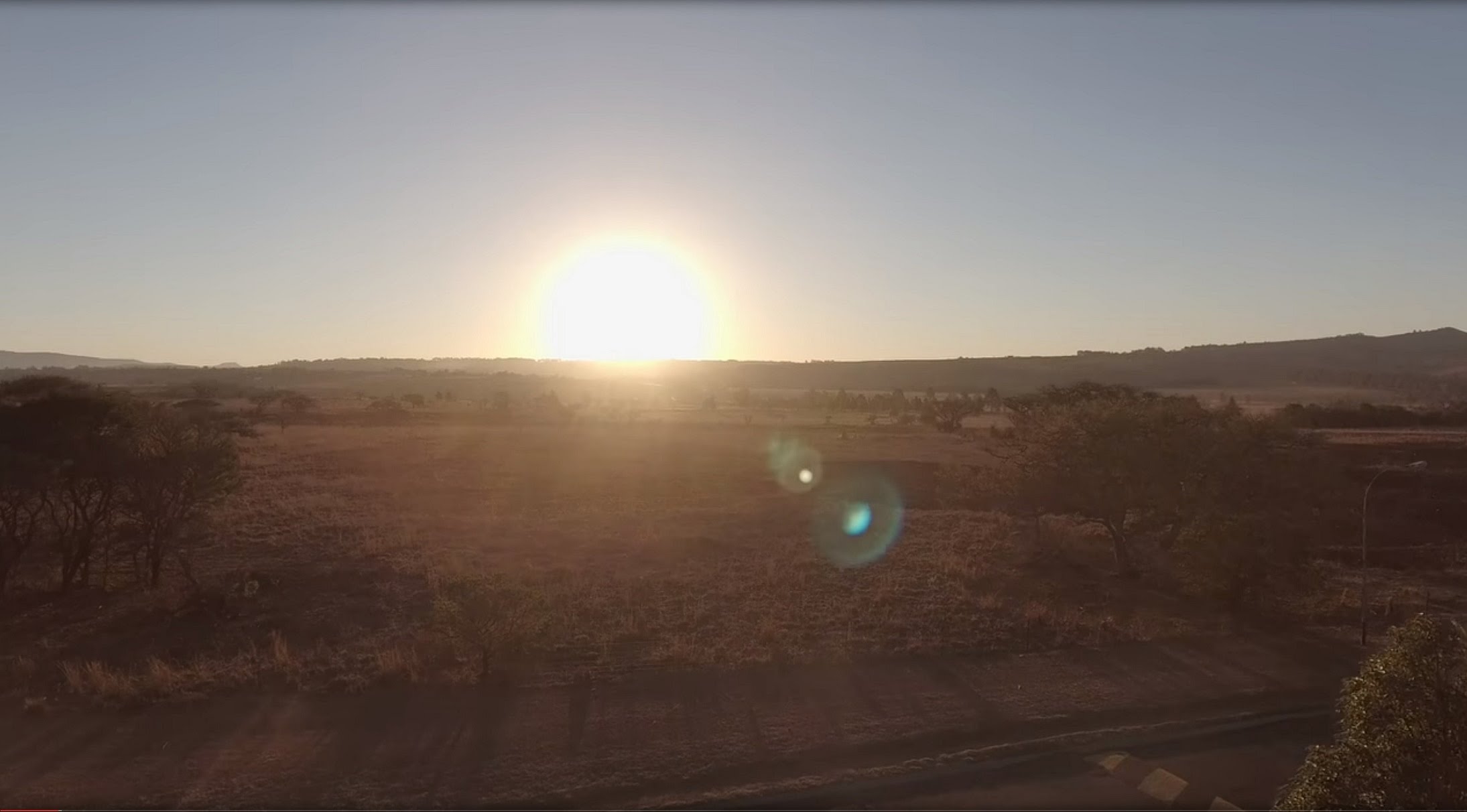
Climate
The El Niño-Southern Oscillation (ENSO) has strengthened marginally over the last month (December). It is still predicted to last for the rest of summer and the whole of autumn. There is still not a typical response on the upper atmosphere related to El Niño events that effect Southern Africa (typically a drier and warmer summer effect).
Thus at this stage the influence from the El Niño is very uncertain.
The chief crops planted in the Umzinyathi District are maize, soybeans and dry beans. The rainfall since the start of the rainy season, to December 31, has been around 120mm less than the average – 222mm while the average is 337mm.
More noteworthy especially for December, 50 mm fell in four days during the first third of the month, follow up rain from this period was minimal and mainly below the daily evapotranspiration rate of 6 mm /day for this period. The December rainfall came on the backdrop of just 28 mm in November resulting below optimum field capacity for crop planting.
Mean maximum temperatures tended to be above the LTM (except for October) while the mean minimum temperatures were lower than the LTM except for December which was above the LTM. The higher temperatures, due in part, to lower cloud cover, lower rainfall and the lower mean minimum temperature contributed to poor germination of the maize and soybean crop.
The rainfall distribution remains one of the main reasons for poor crop performance in the district despite the lower than average rainfall.
Crops
Maize
Irrigated maize planted early that flowered prior to the above average temperatures in late December have pollinated well and a normal crop is expected. It is too soon to determine the extent of a yield decrease for the crop that flowered during this hot period. There is a possibility that farmers might resort to cutting more maize for silage than in the past if the drought persists to build up reserves for the winter/early spring.
Dryland planting has been reduced by the drought with many farmers unable to plant influencing food security in the district. Further dryland planting of maize as late as January is not advisable especially in the higher lying areas of Umvoti, Nquthu, Endumeni and Msinga. The lower lying areas of Tugela Ferry, Keats Drift and Muden can extend planting to the end of January. The later the planting date, however the
lower the expected yield
Drybeans
Dryland drybeans can be planted in frost prone areas until mid-January while frost-free areas (Tugela Valley) planting can be extended until the end of February.
Soybeans
Soybeans is a more drought tolerant crop than maize and it is expected that it should show limited yield reduction pending future average rainfall conditions. Due to the day-length sensitiveness of this crop further planting of the crop is not recommended in the district.
Veld condition and animal performance
Veld production depends mainly on rainfall and veld condition. As an average the production per ha is about 3 kg dry matter per mm rainfall with a veld condition of 60 % of the benchmark. An animal unit (450 kg) requires 3 650 kg dry matter per annum and farmers will be hard pushed to provide adequate grazing for their animals under the prevailing conditions. Overgrazing is a strong possibility, in addition, stock watering
points are under threat of drying up if normal rainfall does not resume.
The December heat impacted negatively on intensively kept animals such as pigs and poultry with some deaths, but these were not significant.
Haymaking
Many farmers have not been able to cut hay. Usually farmers have one cutting of hay done by the end of December. Good rains will have to fall allowing farmers a chance to get a least one or two cuttings before the frost.
If normal rainfall does not resume farmers are expected to face lower yields and poorer animal performance. The food security for the district is currently under threat.