The deadly effects of exposure to asbestos
According to Wolverton, the best and safest way to dispose of asbestos is to hire an abatement professional.
There is no safe level of exposure to asbestos.
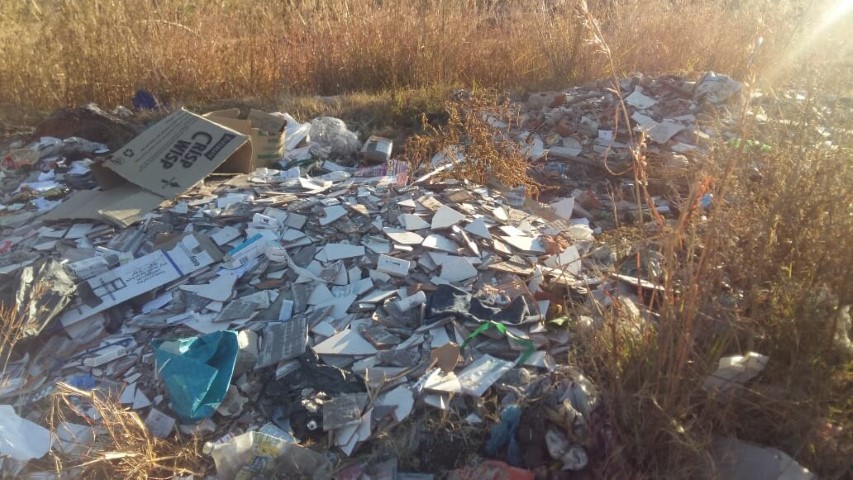
This is the belief of Sarah Wolverton, an advocate for people who have been diagnosed with asbestos-related illnesses, following an article regarding the illegal disposal of building rubble at the weir in Fernwood. Of particular concern is the abundance of asbestos roof sheeting.
“Our goal is to raise awareness about the health risks of asbestos exposure and, ultimately, see a worldwide ban,” said Wolverton.
The Newcastle Advertiser asked her a series of pertinent questions, relating to the health risks involved with exposure to asbestos.
“Asbestos is a fickle substance. Some professionals are exposed to it their whole careers and experience no repercussions, whereas other people come into contact with it once and develop full blown cancer. Our mantra is that there is no safe level of exposure.”
She explained the most serious health affects were asbestosis and mesothelioma, both of which occur once asbestos fibres are inhaled. The fibres can stay airborne for up to 72 hours after being agitated.
“The asbestos fibres become lodged in our lungs or even the abdomen or heart, and irritate the delicate tissue there, causing scarring and eventually tumors leading to malignant cancer,” Wolverton elaborated.
She mentioned the case of Heather Von St. James, a pleural mesothelioma survivor who was diagnosed at the age of 36, and is now a 13-year survivor.
What is the correct way to dispose of asbestos products?
According to Wolverton, the best and safest way to dispose of asbestos is to hire an abatement professional.
“We advise that if someone suspects they have come into contact with the substance, let a professional handle it. However, we’re more than aware that’s not always possible.”
Wolverton provides the following measures one can take, when exposed to asbestos:
“The best course of action is to cover your nose and mouth, avoid disturbing the material, hose down any dry material to prevent it becoming airborne, and make sure your clothing is not covered in fibres when you come into contact with other people.”
What are the long term effects on health, after being exposed to asbestos?
Wolverton emphasised asbestos fibres were small, and cancer could take a while to develop after initial exposure.
“Latency is between 10 and 50 years after exposure, and the prognosis after diagnosis is bleak. On average, mesothelioma patients only live around two years after diagnosis, so catching the disease early is essential. The key is early detection if you’re exhibiting symptoms, or believe you were exposed to asbestos previously,” she elaborated.
According to Wolverton, the most common modes of exposure are through occupational work (construction workers, veterans, firefighters, miners) and second wave exposure (from existing asbestos in buildings, environment, pipes and vehicles – which is then disturbed).
ALSO READ: The utter devastation of illegal dumping
Contact us
WhatsApp: 082 874 5550
Email: Reveshni Douglas (Editor) at reveshni@caxton.co.za
Make sure you follow us for constant updates: