Offenders are ready for release after ‘remission of sentences’ by President
Involvement of the families and communities are of vital importance for these offenders to be re-integrated on a social level.
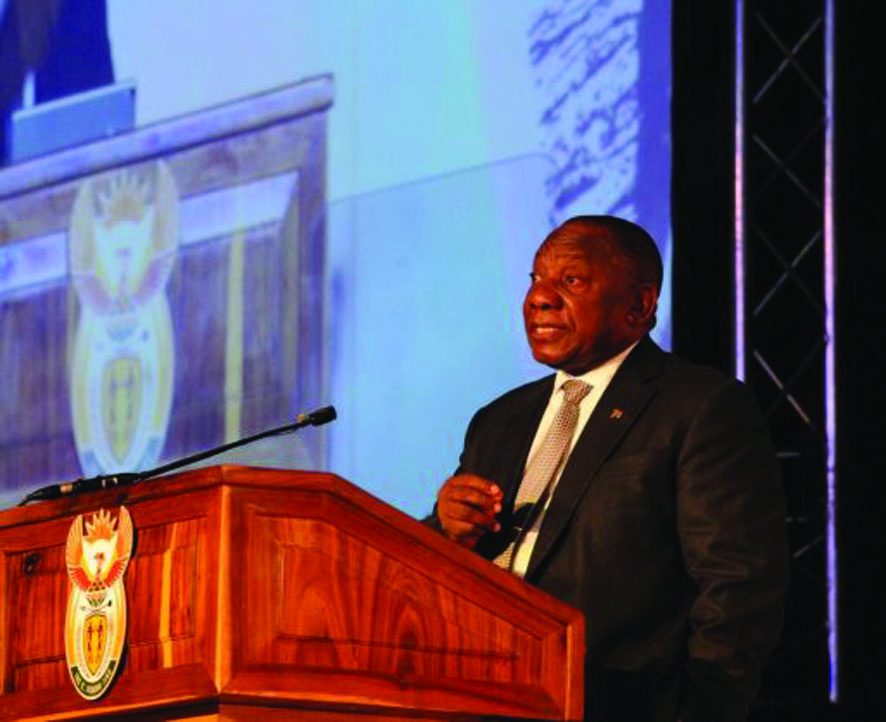
December 16 is a day celebrated by all South Africans as the Day of Reconciliation.
On the same day last year, President Cyril Ramaphosa announced the granting of special remission of sentences to certain categories of sentenced offenders, as well as parolees and probationers already in the system of Community Corrections, who were sentenced before December 19.
Remission of sentences is a process applied to commemorate occasions and believed to alleviate pressure on the correctional system as a result of overcrowding.
The release of the total group of offenders represents only 3,36 per cent of all offenders in correctional facilities under the Ncome Management area and includes Ncome Med A, Ncome Med B, Vryheid, Nongoma, Nkandla and Melmoth. This process is estimated to run over a period of nine months from the date of grant and aims to ensure offenders are smoothly integrated back into society.
They will have to attend a pre-release programme and this is a prerequisite before any offender is released. If an offender has not participated in another relevant programme, they will be prioritised to complete these programmes before they will be considered for release. According to Ncome Correctional Services spokesperson, Nkosinathi Nene, the process of granting these remissions of sentences will be fair, non-discriminatory and transparent. He also said these remissions were done within the context of the South African Government’s programme to strengthen the criminal justice system and promote the rehabilitation process, but also limit the risk of re-offending. The programme has also partnered with SAPS and the Departments of Home Affairs, Education and Health.
If an offender is incarcerated for dangerous crimes or poses a danger to society, they will not benefit from the remission of sentence. The special remission will only apply to offenders who were sentenced for crimes other than aggressive, sexual and violent domestic crimes. Offenders will be re-integrated into communities, and it is then the shared responsibility of the public and the Government to rehabilitate their behaviour.
Those who benefit from the special remission first are vulnerable groups or special categories of offenders which include women, children, disabled and elderly persons, who have a remainder of 12 or 24 months on their original term of imprisonment left. Involvement of the families and communities are of vital importance for these offenders to be re-integrated on a social level.
Government has stated its commitment to its objective: to have ‘all people in South Africa are and feeling safe’.
ALSO READ: Ncome prisoners in a league of their own
Make sure you follow us on our social media platforms for regular updates