Water is Life: Protecting Newcastle’s Future Starts with Our Right to Clean Water
World Water Day (March 22) reminds us that water is not a luxury, but a basic human right, and it’s something we all need to protect
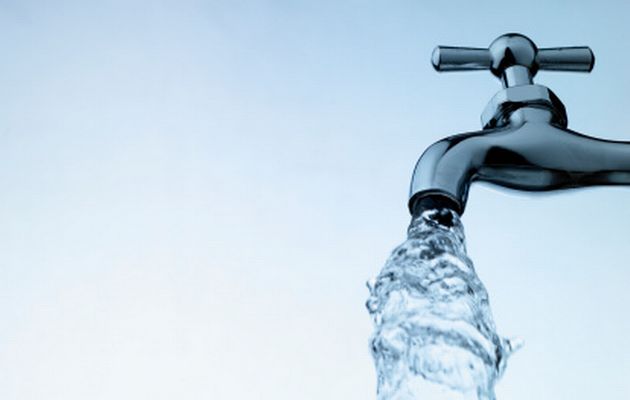
World Water Day, celebrated every year on March 22nd, is a special day created by the United Nations to remind us all how important water is for life.
This day is not just about recognizing the value of fresh water, but also about encouraging us to think about how we manage and protect our water resources.
Each year, there’s a different theme that focuses on important issues like clean water, sanitation, and hygiene, all of which are essential for healthy communities. The United Nations also releases a report around this time, sharing global insights about water challenges and how we can take action.
Raising awareness about the importance of water helps us understand how fragile our water resources can be and the urgent need to act. The more people know about these issues, the more we can come together to ensure that everyone has access to safe, clean water—today and for future generations.
Water security is not just a matter of survival; it is a key measure of quality of life and economic success. A stable, clean, and sustainable water supply is essential for attracting investment, supporting businesses, ensuring public health, and maintaining the well-being of our communities. Without reliable access to water, industries falter, schools and hospitals struggle, and everyday life becomes a challenge.
True economic development cannot come at the cost of water security—without water, there is no economy, no growth, and no future. When the government fails to protect our water, it fails to protect our fundamental human dignity and survival.
The Interconnectedness of Water Resources: A Geographical and Economic Lifeline
Water does not exist in isolation—it flows across municipal boundaries, sustains economies, and connects communities. It is the thread that weaves us all together, from mountain streams to city taps, reminding us that we are all bound by the same source of life. Newcastle is located within a vital water catchment area that feeds major rivers like the Pongola, Thugela, and Vaal.
These rivers provide water not only for our local community but also for industries, agriculture, and households across both the eastern and western sides of the country. This catchment is crucial to the water supply for a large portion of South Africa.
When we allow unchecked development and environmental destruction to degrade our water sources, we are not just harming Newcastle—we are endangering the livelihoods, food security, and economic stability of millions who depend on these rivers.
As custodians of this precious resource, it is our responsibility to protect and preserve the lifeblood that connects us all. Protecting water is not just a local issue; it is a national imperative.
A Failing System: The Neglect of Water Infrastructure
For over a decade, Newcastle’s water infrastructure has been crumbling, a clear example of what can be termed a “governance drought.” This is not a natural drought caused by weather patterns, but a drought of leadership and accountability. The 2013 Amajuba District Spatial Planning Report warned of outdated asbestos pipelines, leaking reservoirs, and poor maintenance.
Yet, instead of finding solutions, we have been met with years of empty promises. The 2023 report now paints an even darker picture—water shortages are more severe, system failures are more frequent, and thousands of litres of water are lost daily due to neglected infrastructure. These failures are a direct result of government mismanagement, leaving our community to bear the consequences of a drought in governance that has drained both our water resources and our trust.
This is not just mismanagement—it is a betrayal of the people’s trust. The government has a duty to provide basic services, yet year after year, our community is left to struggle. We must demand that our municipality take immediate steps to repair and upgrade water infrastructure before it is too late.
Climate Change and Water Scarcity: A Crisis Ignored
The effects of climate change are already hitting us hard. Droughts are becoming longer and more severe, reducing the amount of available water.
Flooding in Newcastle and surrounding areas is becoming more frequent and devastating. Poor drainage infrastructure, combined with environmental degradation, increases the risk of flash floods that destroy homes, businesses, and farmlands. These floods not only put human lives at risk but also wipe out crops, disrupt supply chains, and leave thousands without access to clean drinking water.
The destruction of infrastructure—bridges, roads, and water treatment facilities—further compounds the crisis, making recovery slow and costly. We cannot afford to ignore this growing threat, and proactive investment in climate-resilient water management systems is urgently needed.
The effects of climate change are already hitting us hard. Droughts are becoming longer and more severe, reducing the amount of available water. When heavy rains do come, our damaged landscapes—scarred by deforestation and mining—fail to absorb the water, leading to deadly floods and soil erosion.
Newcastle sits within a crucial water catchment area that feeds rivers like the Pongola, Thugela, and Vaal. If we allow irresponsible developments and environmental destruction to continue unchecked, we are jeopardizing not only our water security but also the survival of millions of South Africans who depend on these rivers.
Our government must stop ignoring these warning signs. We need policies that protect our wetlands, restore our ecosystems, and invest in climate-resilient infrastructure. Water is not an unlimited, renewable resource, and once it is gone, it is gone forever.
The Human Cost of Water Insecurity
Water is not just an environmental issue—it is a human issue. The consequences of a lack of access to clean water are devastating, especially for the most vulnerable members of society.
Children Suffer the Most: Schools without access to safe water struggle to maintain hygiene, increasing the spread of disease. Children miss school due to waterborne illnesses, affecting their education and future prospects. Lack of water also exacerbates period poverty, forcing many girls to stay home during menstruation due to inadequate sanitation facilities. This leads to frequent absences, negatively impacting their academic performance and long-term opportunities.
Vulnerable Communities are Hit Hardest: Poor and marginalized communities have fewer resources to cope with water shortages, leaving them at greater risk of disease, malnutrition, and economic hardship. Without urgent intervention, water insecurity will only deepen existing inequalities.
We must stop seeing water protection as a secondary issue. It is not just about conservation; it is about survival. Every decision that puts water at risk is a decision that puts our future at risk.
We the People: The Time to Act is Now
Enough is enough. We cannot wait for government officials to wake up—we must take action ourselves. Here’s what you can do:
- Speak Up: Call out government inaction and demand transparency. Attend municipal meetings, write to officials, and hold them accountable.
- Resist Destructive Development: Say NO to unsustainable industrial projects that harm our environment and communities. Advocate for policies that prioritize long-term well-being over short-term profits.
- Support Job Creation that Protects Our Resources: Advocate for job creation strategies that prioritize environmental sustainability and the preservation of our vital resources like water. Jobs in renewable energy, sustainable agriculture, and eco-tourism are viable alternatives that can provide meaningful employment while safeguarding the future.
- Protect Water Sources: Support local conservation efforts, clean up polluted areas, and report illegal dumping or water theft.
- Educate Others: Spread awareness about Newcastle’s water crisis. The more people who understand the urgency, the stronger our movement will be.
- Register as an Interested and Affected Party: Ensure that your voice is heard when new industrial projects or developments that impact water resources are proposed.
In line with the principles of the Climate Justice Charter, we must democratize the water commons, ensuring that water resources are managed collectively and sustainably for the benefit of all. This involves recognizing water as a shared resource that transcends individual ownership, emphasizing equitable access, and protecting it from exploitation.
Without water, our community cannot survive. Without water, there is no economy, no agriculture, no future. If we do not fight for our right to clean water now, we may not have the chance later.
This is not someone else’s problem—it is OUR problem. It is OUR responsibility to stand up, speak out, and take action before it is too late.
We have the power to demand change. We have the right to safe, clean water. And we must never stop fighting until that right is protected for every single person in Newcastle and beyond. Embracing a new eco-social contract calls for a commitment to policies that deliver equity, inclusion, and respect for human rights while establishing a harmonious relationship with our environment. This contract should be based on broad participation and democratic processes, creating consensus on principles and objectives, and transparency and accountability.
By adopting these principles, we can foster a community that not only demands accountability but also actively participates in the stewardship of our water resources, ensuring a sustainable and just future for all.
Learn more at: https://cjcm.org.za/
The news provided to you in this link has been investigated and compiled by the editorial staff of the Newcastle Advertiser, a sold newspaper distributed in the Newcastle area. Please follow us on Youtube and feel free to like, comment, and subscribe. For more local news, visit our webpage, follow us on Facebook and Twitter, and request an add on our WhatsApp (082 874 5550).