
Discover the history behind the Easter egg
From ancient spring symbols to Christian traditions and the chocolate treats enjoyed today.
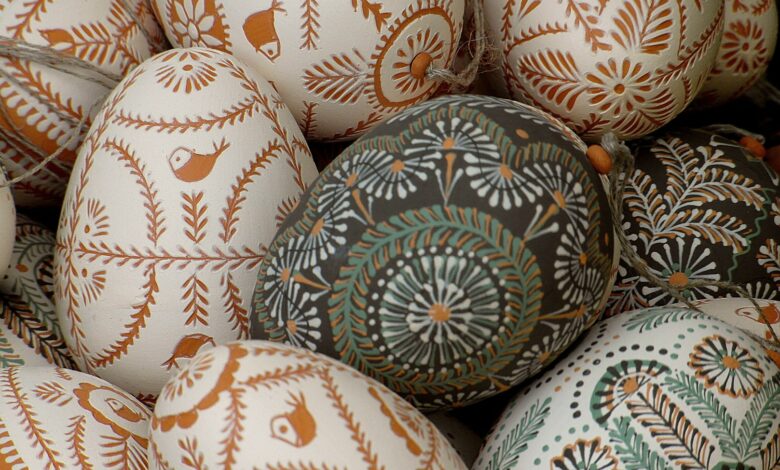
The Easter egg is one of the most recognisable symbols of Easter, but are you aware of its origins?
Long before Easter became a Christian celebration, eggs were seen as a symbol of new life and rebirth in many ancient cultures such as the Persians and Egyptians. They exchanged decorated eggs during spring festivals, celebrating renewal.
The spread of Christianity
When Christianity began to spread, this symbol was adopted into the story of Easter. The egg came to represent the resurrection of Jesus Christ. Just as a chick breaks out of its shell, Christians believe Jesus rose from the dead, bringing new life and hope.
Medieval Europe
In medieval Europe, eggs also took on a practical role during Lent (the 40-day period of fasting before Easter). Since eggs were often forbidden during this time, people would boil or preserve them to keep them from spoiling. Once Easter arrived, these eggs were eaten and shared in celebration – often decorated to mark the occasion.
Today
Over time, traditions evolved. Decorating eggs became more elaborate. Eventually, the idea of gifting eggs transformed into the chocolate Easter eggs we know today.
The news provided to you in this link has been investigated and compiled by the editorial staff of the Newcastle Advertiser, a sold newspaper distributed in the Newcastle area. Please follow us on Youtube and feel free to like, comment, and subscribe. For more local news, visit our webpage, follow us on Facebook and Twitter, and follow us on our WhatsApp Channel