
En Passant: In which I join the rat-race
I WENT to Durban last week… actually, it was Umhlanga Rocks north of Durban but that is just as close to insanity. I haven’t been down that way for, I dunno, four, maybe five years, and this trip reminded me why. This trip reminded me why to get me to travel out of Vryheid is like trying to prise a particularly stubborn oyster from …
I WENT to Durban last week… actually, it was Umhlanga Rocks north of Durban but that is just as close to insanity. I haven’t been down that way for, I dunno, four, maybe five years, and this trip reminded me why. This trip reminded me why to get me to travel out of Vryheid is like trying to prise a particularly stubborn oyster from a large sea-splashed rock.
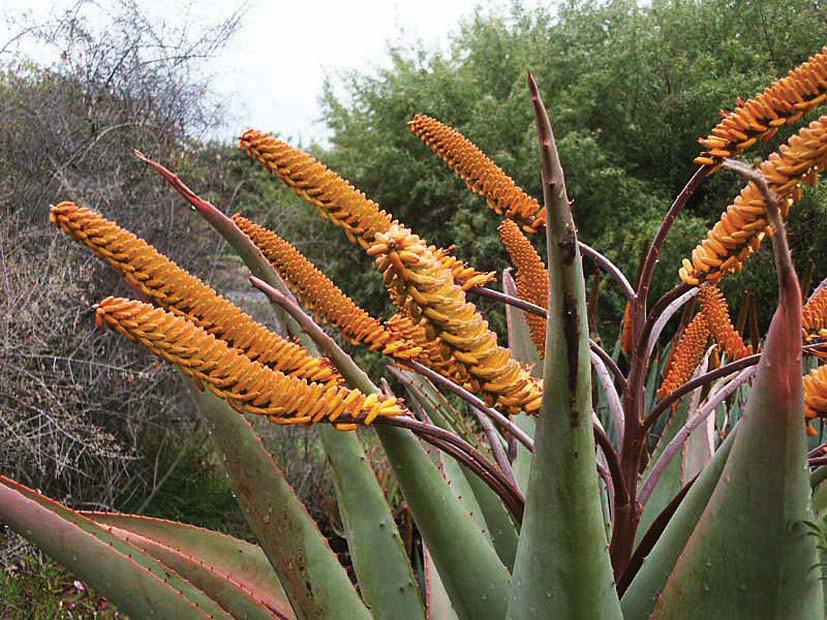
In truth, one of my favourite drives, especially in winter, is from here to Melmoth. At this time of year the roadsides, and particularly the hillsides, are covered in aloes in flower. I don’t know what aloe species it is, maybe the Aloe marlothii, but I’m
guessing. They were spectacular last week – I should have stopped to take a picture, but you know what, when you’re on your way to Durban, you’ve already joined the rat-race by the time you reach the Mondlo turnoff.
The road to Melmoth, when I came to Vryheid 30-plus years ago, was new, beautifully engineered and yet to be discovered by anyone who didn’t live between Vryheid and the rest of KZN. Boy, the Gautengers and Mpumalangas have discovered it now. The
volume of traffic is extraordinary, and the number of big trucks, 18- to 26-wheelers is astounding. I presume they are going to and from Richards Bay and Gauteng, or maybe Durban and avoiding some of the toll gates.
One thing is sure, the big trucks are stuffing up what used to be, as I said, a beautifully engineered road.
Once you reach the Ulundi turnoff, and start climbing the heights towards Melmoth, things start to go mal. At the top of the heights there is a distinct line between rain-shadowed bushveld vegetation and the commercial forests of Melmoth. The sugar cane looked
yellow and “spiky”, as if it needed a good downpour of rain.
Melmoth. Every time I go through Melmoth I say a silent prayer that goes like this: “Dear Lord, please never arrange the circumstances of my life that it becomes necessary for me to move to Melmoth.” I once worked there for about a week. I was a Spar supermarket manager in Eshowe, and the Spar in Melmoth was held up as a progressive institution from which I could pick up management tips. I stayed at the Melmoth Hotel. I’ve never been back except to pass through.
The road you take through Melmoth is currently under repair. From the north end near the bridge, past the garage and the KFC to the top end where you turn off to KwaMagwaza, it’s one way with a Stop/Go control, which is so badly sign-posted that the big
22-wheeler in front of us didn’t see it was to STOP, and continued down the one way until some dude in a hard hat threw a fit. It’s a real cock-up.
The worst part of the trip is from Melmoth to the top of the pass down to Nkwaleni where the road doubles. Cane and timber trucks are the menace, and there are few places to pass safely. And then the pass itself, double highway that it is, is so badly engineered that only fools and horses (actually, on the pass, goats and cattle) disobey the recommended speeds. The curves on the pass are incorrectly cambered – it’s one long road hazard.
From Nkwaleni to Eshowe… actually from Nkwaleni to Gingindhlovu, is one goat and cattle infested stretch only matched for its risks by the number of ancient, blue, wire-bound Hi Ace taxies that pull out in front of you knowing you’ve a lot more to lose if it
comes to a collision.
Then, you join the double highway toll road. It cost us about R30 in tolls from the Ging on ramp to Umhlanga. It’s a nice road, certainly 100-times better than the old single lane road that used to trundle from Ging to Mandini, and over the John Ross Bridge to Stanger where the double highway began. That used to be a nightmare with its cane trucks, especially at night.
The volume of traffic will astound you if you haven’t been that way for a while. The big trucks, some presumably those that have come from Vryheid’s direction, and the rest comprised of cargo movements between Durban and Richard’s Bay, would seem to indicate that commerce and industry is alive and well.
However, the volume is compounded by the road works and the narrowing of lanes.
And as you approach Umhlanga and Durban, the volume increases. Each on-ramp – Blythedale, Stanger, Tongaat, etc bring more traffic to the rat-race. It’s a mobile malhuis.
Then, we turned around and came back again. It was dark before we’d even reached Gingindhlovu; we crawled up most of Eshowe pass behind a truck; waited in Melmoth for its stupid STOP/GO, and then coming down that long hill towards the Ulundi turnoff hit something unidentified (it wasn’t a pothole) in the road that obviously a black BMW hit before us, because he was on the side of the road a little way on, fixing his wheel in the dark.
We got home at twenty to nine.
Knackered.

Eish, I don’t like travelling
out of Vryheid.