
The blueprint behind architecture
Engineers are behind the “science” and architecture is about the aesthetics and how people express themselves in spaces.
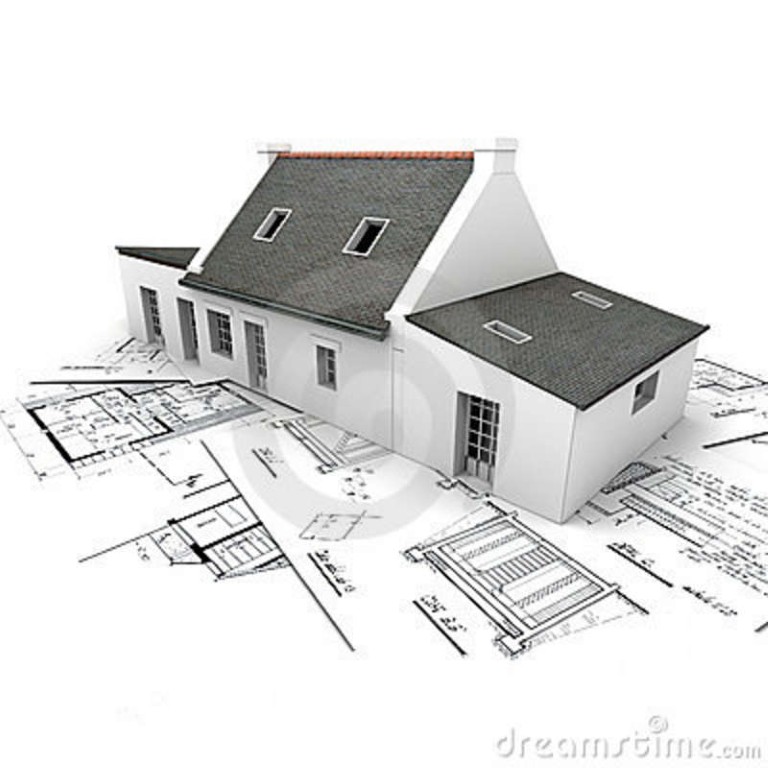
This review is according to the University of Pretoria Department of Architecture for undergraduate studies offered in three different categories:
Matriculants are provisionally selected; in order to retain selection, they must still meet the minimum requirements for admission in their final Grade 12 examinations. The decision of the Selection Committee is final and no discussion or correspondence will be entered into.
| Architecture | BSc(Arch) | 3 years (full-time, studio based) |
| Interior Architecture | BSc(Int) | 3 years (full-time, studio based) |
| Landscape Architecture | BSc(LArch) | 3 years (full-time, studio based) |
The programme in landscape architecture is the only undergraduate course of its kind offered in South Africa. Locally there is a great demand for practitioners in both the public and private sector.
UNDERGRADUATE SELECTIONS
The number of applications that the university receives annually for the undergraduate programmes (between 1,000 and 1,500) compels the Department to select students for admission. Our resources only allow for 120 first year students, of which 60 places are allocated to Architecture and 30 each to Interior Architecture and Landscape Architecture. The selection process is briefly outlined below. In brief it means that applicants are evaluated across a broad spectrum of considerations, in several formats and with different media, for their skills, abilities, and opinions. This comprehensive approach is in keeping with the nature of our discipline and the ethos of the Department.
THE SELECTION PROCESS
- Admission is granted on the basis of selection, which involves two rounds: ROUND ONE: candidates are assessed on academic merit. Those who meet the minimum requirements for admission are invited to participate in the second round by taking a departmental selection test. With the invitation, they also receive assignments to complete at home and submit on the day of the test.
- ROUND TWO: candidates are assessed on their general knowledge and interests, a broad spectrum of abilities, their motivation and experience by means of a departmental selection test. A final shortlist is compiled based on the outcome of both the tests and home assignments. Those candidates whose names have made the shortlist are invited to selection interviews, following which the final selection and waiting list placements are made.
CONTACT DETAILS:
Client Service Centre, University of Pretoria
Lynnwood Road Entrance, UP Main Campus
Tel: 012 420 3111 local / +27 12 420 3111 international
Fax: 012 420 4555 local / +27 12 420 4555 international
E-mail: csc@up.ac.za
SIGNIFICANT SELECTION DATES
Selection dates begin in June and end in October. For more information visit the University of Pretoria website or check the prospectus.
Youth Revolution caught up with an ex-Dundee High School scholar at University of Pretoria to find out more about the course:

YR: Please give us a brief background about yourself
Ayanda: My name is Ayanda Duma. I am 22 years old. I matriculated from Dundee High School (DHS) IN 2010. I am currently in my 3rd year studying BSc Arch at the University of Pretoria.
YR: What inspired you to study Architecture?
Ayanda: I’ve always had an interest in design, art and built environment. When I had to decide what to study architecture met all the requirements. I’m more of a right brained person which is why I needed something to challenge my creativity.
YR: Explain in simple terms what is architecture?
Ayanda: I would describe architecture as the “art” of designing buildings and space. Engineers are behind the “science” and architecture is about the aesthetics and how people express themselves in spaces.
YR: What do you love the most about your course?
Ayanda: We are always with other people, it’s not always about individual work and that’s what I enjoy. I love working with my hands and when you see your designs come to life when building models, is the best feeling.
YR: Where does an architect generally work and where would you like to work?
Ayanda: You can work in either public sector (government like public works) or private sector (for a firm or as a freelance). Most architects don’t necessarily finish studying and work as photographers and artists, etc.
I want to work in the public sector which is why I’m also going to do urban design, it will help me to work on a variety of projects with disadvantaged communities which is mostly done in government.
YR: What subjects should school children concentrate on in schools?
Ayanda: Math, Physics, Engineering graphics and design, art is also an advantage but it’s not a prerequisite. I would also recommend that they do well in orals because public speaking is an important skill as most of your projects are presented in front of a panel of about 3 – 6 lecturers and your fellow students.
YR: Would you encourage the youth to study Architecture?
Ayanda: Architecture is a scarce skill and I would recommend a lot of learners to consider it especially black females – there is a real shortage.
YR: What are your future plans in your chosen field?
Ayanda: I plan on studying further in order to be able to work in urban development and planning. My aim is to work with communities to create awareness amongst people and a sense of identity through the built environment in terms of planning and design.




