Time is running out for Spaza shops and vendors to register
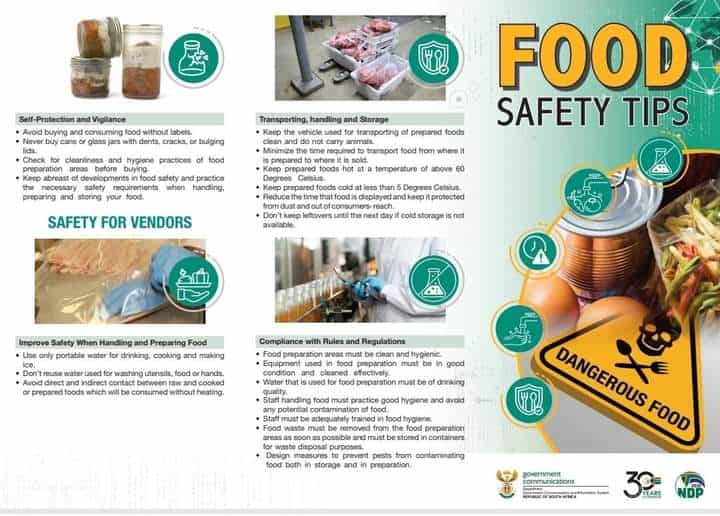
The clock is ticking for rural and township Spaza owners and vendors to register their businesses. The government took this decisive measure to address the recurring foodborne illnesses that have claimed the lives of at least 22 people, including children, across the country. As part of the government’s enforcement of health and safety laws announced …
The clock is ticking for rural and township Spaza owners and vendors to register their businesses. The government took this decisive measure to address the recurring foodborne illnesses that have claimed the lives of at least 22 people, including children, across the country.
As part of the government’s enforcement of health and safety laws announced earlier by President Cyril Ramaphosa, all Spaza shops and vendors need to register within 21 days as of November 15.
Those who do not meet all health standards and requirements will be closed and non-compliant products confiscated.
The National Disaster Management Centre has, in terms of the Disaster Management Act, classified foodborne illnesses as a national disaster.
The President called for all Spaza shops and food-handling facilities to register for trading permits with their respective municipalities.
The Ngwathe Local Municipality answered the call and embarked on a Tuck-shop registration campaign that started in Tumahole and Vredefort the past week.
During the roadshow awareness campaign, the municipality gave information on how to register shops with the local municipality.
Completed permit applications should contain the following information:
* The business owner’s full name, surname, gender, and disability status.
* Physical and postal address of the business concerned.
* The location where the business will be operated.
* Description of goods or services that the business will be selling or providing to the community.
* Citizenship status of the applicants.
* Passport number, section 22 asylum seeker permit, section 24 refugee permit, and valid visa allowing foreign nationals to be in the country to work or conduct business.
* An affidavit that states he/she is not engaged in the trade of illegal goods and that the business will operate according to the applicable norms and standards.
The municipality may conduct a background check on applicants, in collaboration with law enforcement agencies to verify the legality of the business activities.
If the application meets the conditions stated by the municipality, the business owner will be issued with a registration card or permit that must always be displayed and available for inspection.
Once the registration process for permits has been completed, environmental health inspectors will use this database to conduct regular inspections.
The Fezile Dabi District Municipality which is responsible for Municipal Health Services in Ngwathe currently has seven environmental health inspectors responsible for 15 towns.
Reporting illegal business practices:
Municipalities are expected to communicate to residents a complaint procedure that can be used by community members to report illegal business practices.
Schools
The Department of Basic Education will issue a circular to Provincial Education Departments and public schools on best practice protocols for preventing and managing foodborne illnesses within schools.
The minister of Basic Education will also classify within three months which chemicals will be banned from use on school premises in terms of the Regulations on Safety Measures for Public Schools.
Deaths of patients 12 years and below:
All deaths of patients 12 years and below will be notifiable in the Notifiable Medical Condition Surveillance System immediately after the gazetting of the Regulations of the Disaster Management Act.
Support for Township SMMEs:
Within 12 months a joint fund to the value of R500m will also be established by the Department of Trade, Industry and Competition and Small Development to support township SMMEs, including community convenience shops.