
It’s about giving our indigenous ecosystems a fighting chance
If you spot Chilean inkberry on your property, don't simply cut it down and walk away.
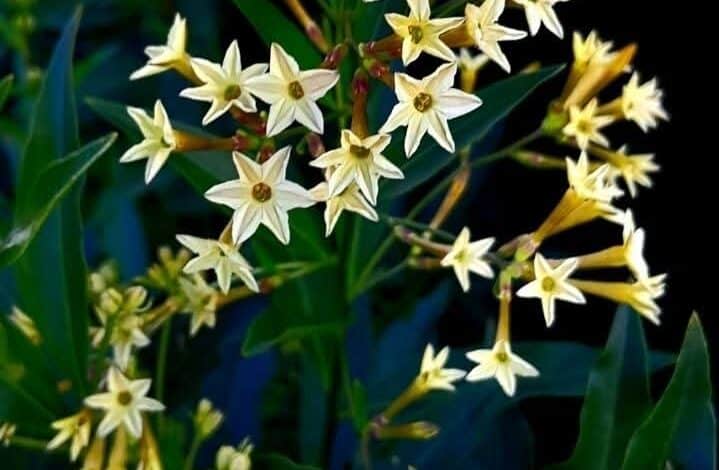
One of the worst horticultural atrocities to have escaped into our environment and wreaked havoc on our native ecosystems must surely be the infamous and highly poisonous Chilean inkberry, green cestrum (Cestrum parqui).
Originally introduced from South America as an ornamental garden plant, Cestrum parqui was valued for its dense evergreen growth and masses of attractive tubular flowers. Unfortunately, what was once considered a desirable garden plant has become a serious environmental and agricultural problem in South Africa. The species is now a NEMBA Category 1b invasive species, meaning that it must be controlled and, where possible, eradicated.
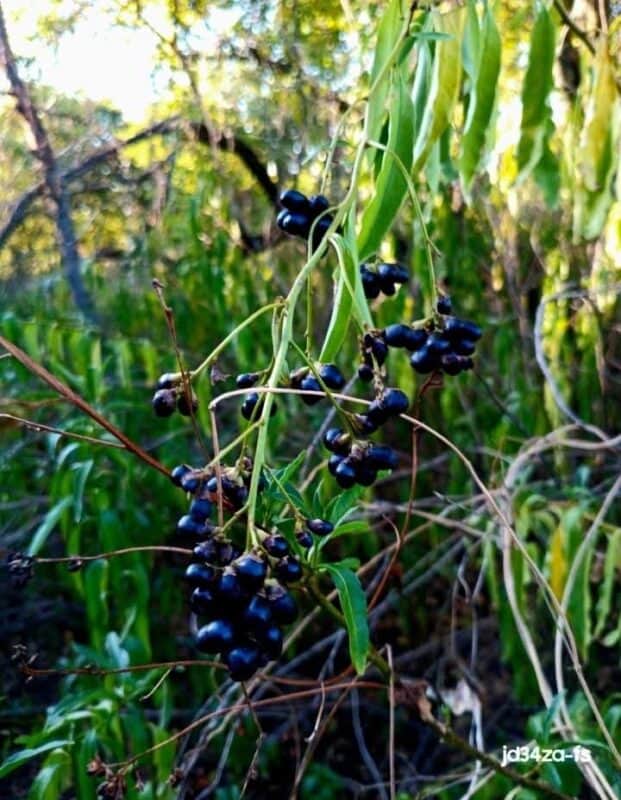
Chilean inkberry is particularly troublesome because it is remarkably good at establishing itself in disturbed areas, riverbanks, savanna and beneath trees and other vegetation. Its small berries turn from green to dark purple-black when ripe and are readily eaten and dispersed by birds. This helps explain why young plants so often appear beneath trees and along areas where birds perch.
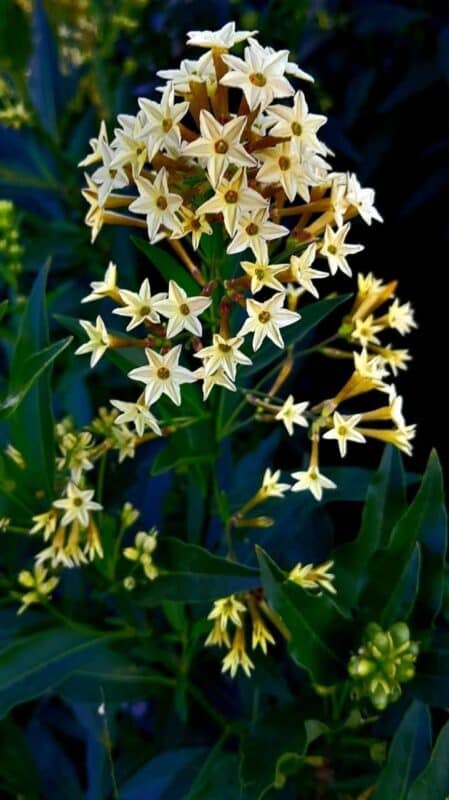
And this is no harmless garden escapee. The entire plant is poisonous, with Cestrum species known to be toxic to livestock, including cattle, sheep, goats, horses, pigs and poultry, as well as humans. Cattle poisoning can result in depression, convulsions and death, making infestations particularly concerning in grazing areas. The plant can be especially dangerous during winter and early spring when livestock may have fewer alternative sources of green forage.
Another reason this invader is so difficult to eradicate is its ability to coppice and sucker from its root system. Simply cutting a mature plant down does not necessarily kill it — root fragments can regenerate, meaning that control often has to be repeated. Dense infestations can eventually outcompete indigenous vegetation and alter the structure of natural habitats.
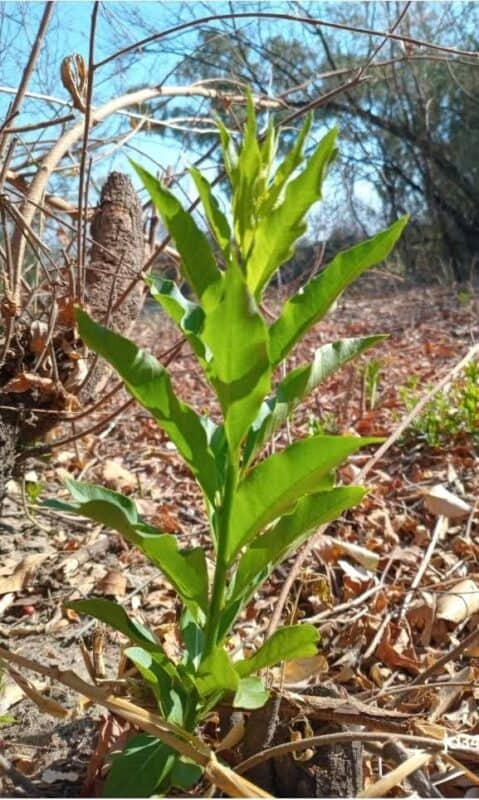
Here at Parys Wetland Park NPC, our invasives and maintenance teams have been actively tackling this noxious weed wherever it has established itself. Large swaths of thorn-thicket understory and other disturbed areas have been invaded, and removing these plants is an important part of restoring space for our indigenous vegetation to return.
But there is still a long road ahead.
Given the extent to which Cestrum parqui has established itself across the greater Parys area, controlling it is likely to be an ongoing battle rather than a once-off cleanup. Every plant removed means fewer berries, fewer seeds and fewer opportunities for this poisonous invader to spread.
Removing invasive plants isn’t simply about making an area look better — it is about giving our indigenous ecosystems a fighting chance.
If you spot Chilean inkberry on your property, don’t simply cut it down and walk away. Because of its ability to regrow from roots and its poisonous nature, proper identification and appropriate control methods are important.
- Photo credit: Danie Venter, Parys Wetland Park.