
LEGO Group holds panel discussion around the power of play in South Africa
Here’s why 92% of South African parents say that LEGO play builds children’s resilience.

Do you think supporting your children’s creativity is essential, especially during the first six years of life when they are developing physically and mentally?
LEGO Group held a panel discussion where they highlighted the importance of play and its value for children and the whole family at Care for Education in Olivedale on September 13.
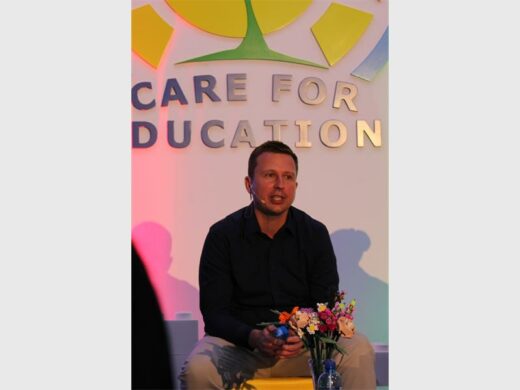
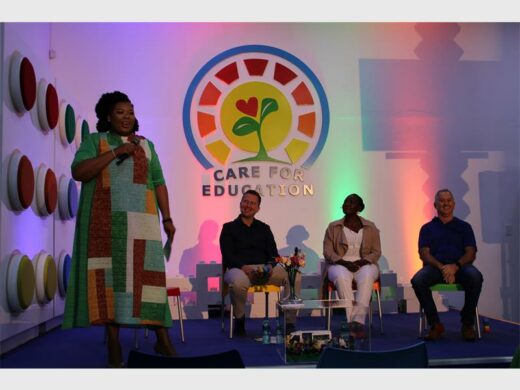
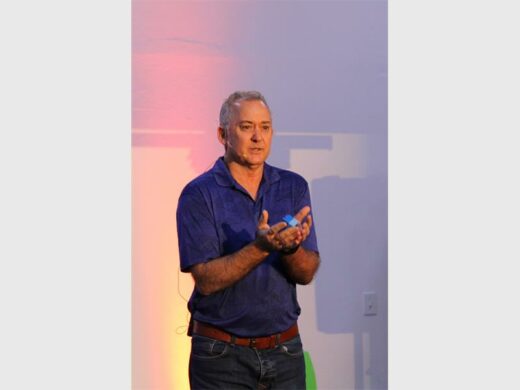
South Africa’s radio host and TV personality Anele Mdoda was the MC and facilitator of this edifying discussion between education expert and CEO of Care for Education Brent Hutcheson, country manager for The LEGO Group in South Africa Miroslav Riha, and educational psychologist Yvonne Mokhudung Segabutle.
In their latest 2022 LEGO Play Well Study, a survey polled over 55,000 parents and children in over 30 countries including South Africa. It revealed that 92% of parents thought playing helped children develop lifelong skills like creativity, communication, and problem-solving. A further 95% and 94% revealed that parents believed that play taught their children to be more confident and focused, and 94% and 96% of parents believed that play developed their children’s curiosity and creativity.
“Playing with your children, whether it’s through physical activity or building something together, also helps build and maintain emotional connections so that they feel comfortable enough to talk to you during difficult times,” said Riha.
He explained the use of games or toys as the focus of discussion allowed them to describe what was troubling them in a space they felt confident and comfortable.
“Whether disabled or differently abled, children enjoy playing. Playing is a language on its own, it’s a language of engagement. Even for children that are differently abled, it’s easy for them to engage although it has to be age-appropriate and accommodate their abilities. Even in socioeconomic conditions that are different, children are able to engage,” shared Segabutle.
“If you keep it according to their age then they experience success, repeated success. The issue is consistency. Repeated success builds their confidence. Once they build that confidence they are able to go up and venture. Even a child that you never expected would be able to talk or do some other things will surprise you because of the consistency of play.”
Hutcheson explained what parents tend to do is want their children to thrive which was natural, and end up putting their children in a situation where they test the end result to see how they’re doing and when the children can’t cope parents assume that something is wrong.
“In reality, we should be focusing on what they can do and then rewarding what they can do. If they find out that you can swing them around, they’ll ask you to do it 10 times or 20 times until the adult normally stops. Why should we stop it if the child wants to do it, let them do it?” emphasized Hutcheson.
“Stop focusing on the end result and only enjoy the process with our children.”
Related Article:
Blairgowrie Community Association gets behind All Spruits Clean-Up Day