Inside the day of a Randburg taxi driver
For 15 years, Randburg taxi driver Blondie Ndlovu has spent his days navigating traffic, tight schedules, and long hours to keep the city’s commuters moving.
When most people are still asleep, Randburg taxi driver Blondie Ndlovu is already up, preparing for another long day behind the wheel.
“I wake up around four in the morning,” he says. “Sometimes six at the latest, but never later than that. If I delay, I lose my customers.”
Ndlovu has been driving for about 15 to 16 years. His journey into the industry began after losing his previous job. “I was working for a company, but when I lost my job, this was my second option.”
Read more: Taxi overturns on kelly avenue, several injured
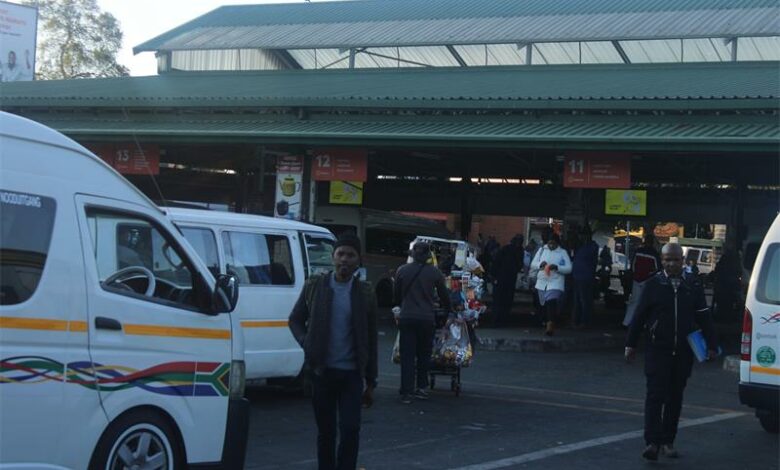
For many South Africans, the taxi industry isn’t just a means of transport; it’s a lifeline. According to the South African National Taxi Council (Santaco), minibus taxis transport around 15 million commuters daily, more than 65% of public transport trips nationwide. In Randburg, taxi ranks, like the one on Jan Smuts Avenue and the main Randburg CBD rank, are among the busiest hubs, linking commuters to Sandton, Rosebank, Fourways, and Johannesburg CBD.
Ndlovu’s day starts with preparing his taxi, greeting fellow drivers, and securing his position in the queue, a system that decides who leaves next. “It’s not first-come, first-served. You book your spot. If I’m number one today, tomorrow I move to number two or three. You can even book your position the night before to make sure you start early.”
That commitment often keeps him at the rank late into the night. “Sometimes it’s already past midnight when I finish booking for the next day.”

Also read: Behind the wheel with Randburg taxi drivers
The job is physically and mentally demanding. “It’s tiring. You have to stay alert all day, deal with traffic, make sure passengers are safe, and still get back to the rank on time.”
Traffic congestion is one of his biggest challenges. “During the week, it’s hectic. You have to be vigilant. A lot is happening on the roads.”
Despite the stress, Ndlovu finds pride in his work. “It’s not easy, but it’s what I do to take care of my family.”
Like many taxi drivers, he views his role as a public service, one that connects workers, students, and families across the city. “People rely on us. Without taxis, a lot of them wouldn’t make it to work or school.”
The informal taxi sector is one of South Africa’s largest employers, supporting an estimated 600 000 jobs, including drivers, queue marshals, and rank managers. Yet, it remains largely self-regulated, with associations like Santaco overseeing rank order, discipline, and route management.
Still, long hours and limited rest take a toll. “There’s no time to rest properly, but I’ve done this for many years. It’s part of my life now.”
As the sun sets over Randburg’s busy taxi rank, Ndlovu lines up for his final load of the day, the hum of engines and shouting conductors filling the air. For him, and thousands of others like him, the work never truly stops. “You just push through, because tomorrow, it all starts again.”
Fast Facts: The Taxi Industry in South Africa
• About 15 million commuters use taxis daily.
• The industry provides around 600 000 jobs nationwide.
• Taxis account for over 65% of public transport trips.
• Associations like Santaco manage route order and driver co-ordination.
(Sources: Department of Transport 2023; SANTACO 2024)
Sources
South African National Taxi Council (SANTACO) Annual Report 2024
Department of Transport – Integrated Public Transport Strategy (2023)
Stats SA: National Household Travel Survey 2020
City of Johannesburg Transport Department – Randburg Public Transport Node Plan (2022)
Follow us on our Whatsapp channel, Facebook, X, Instagram and TikTok for the latest updates!