Dance coach calls for corporate and government backing for dancers
Dance coach Calvin Seakatsie encourages schools, and the government, to invest in dance as an official sport.
Despite the dedication, training and financial sacrifices required to compete, dancers continue to face challenges accessing funding and sponsorship, raising concerns about the recognition and development of dance as a competitive sport.
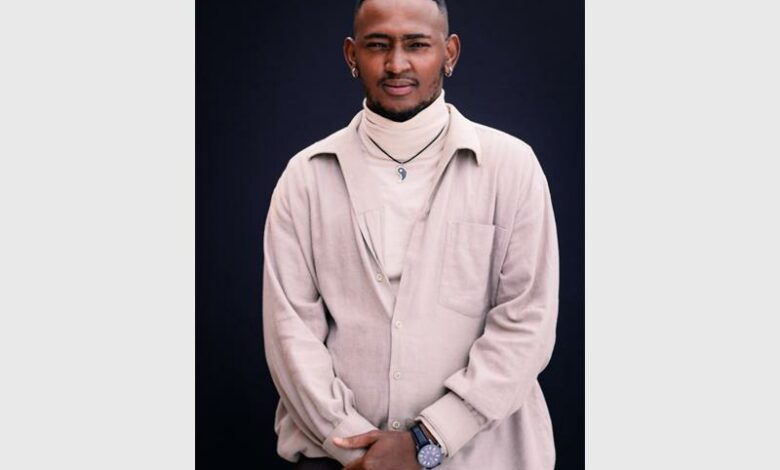
For Heavenly Queens dance crew coach and New Wave Academy founder Calvin Seakatsie, who started dancing in 2006, the journey started when his late brother, Wayne, recognised his talent and encouraged him to take dancing more seriously. Wayne introduced him to kwasa, a form of kwaito dance, and helped spark a passion that would develop into a long-term commitment to street dance.
Read more: Street dance crew earns Protea colours at nationals
At the time, American street dance was unfamiliar in South Africa, while local street dance struggled with negative perceptions. He recalls learning new moves by practising with friends, watching movies, music videos and local television programmes such as Jika Majika. With the local scene still developing, dancers and organisers were effectively pioneers, building a competitive culture from the ground up. Financial support, however, has remained a challenge throughout his journey. “In terms of funding, it has never really been easy to get help. At the time, we had to fundraise. Today, we still fundraise,” Seakatsie said.
He explained that competitive dance comes with significant expenses ranging from studio fees, workshops, training outfits, competition registration and entry fees, travel, accommodation, food and performance costumes. These costs also extend to families who support their children by paying for competition travel and spectator tickets.
He believes one of the biggest barriers to securing sponsorship is the misconception that dance is not a legitimate sport or entertainment profession. “Dancers train for years, perfect skills, condition their bodies and build knowledge on various styles for years to compete or perform on stage,” Seakatsie said.
He added that dancers are often underpaid for performances despite the years of preparation and skill required, and believes greater recognition of dance as both an art form and a sport is necessary to attract investment and create opportunities for local talent to represent the country.
Also read: Art runs in the family for Blairgowrie dance instructor
Seakatsie is calling for dance sports to be introduced in more schools, alongside greater government involvement and funding initiatives to support young dancers. He also believes the private sector has an important role to play by investing in dance academies, school cheer programmes and competitions. “More parents need to demand dance sports at schools and more private companies need to invest in academies and build their own competitions,” Seakatsie said.
He believes increased interest from major brands could encourage greater government involvement and help establish a more sustainable competitive dance industry. For Seakatsie, supporting dance means recognising the dedication of young athletes, easing the financial burden on families and ensuring that dancers have opportunities to develop their talent without funding becoming a barrier to their ambitions.
Follow us on our Whatsapp channel, Facebook, X, Instagram, and TikTok for the latest updates!