
Warning: It’s getting hotter study warns
SA's increasing average temperatures poses mental health concerns.
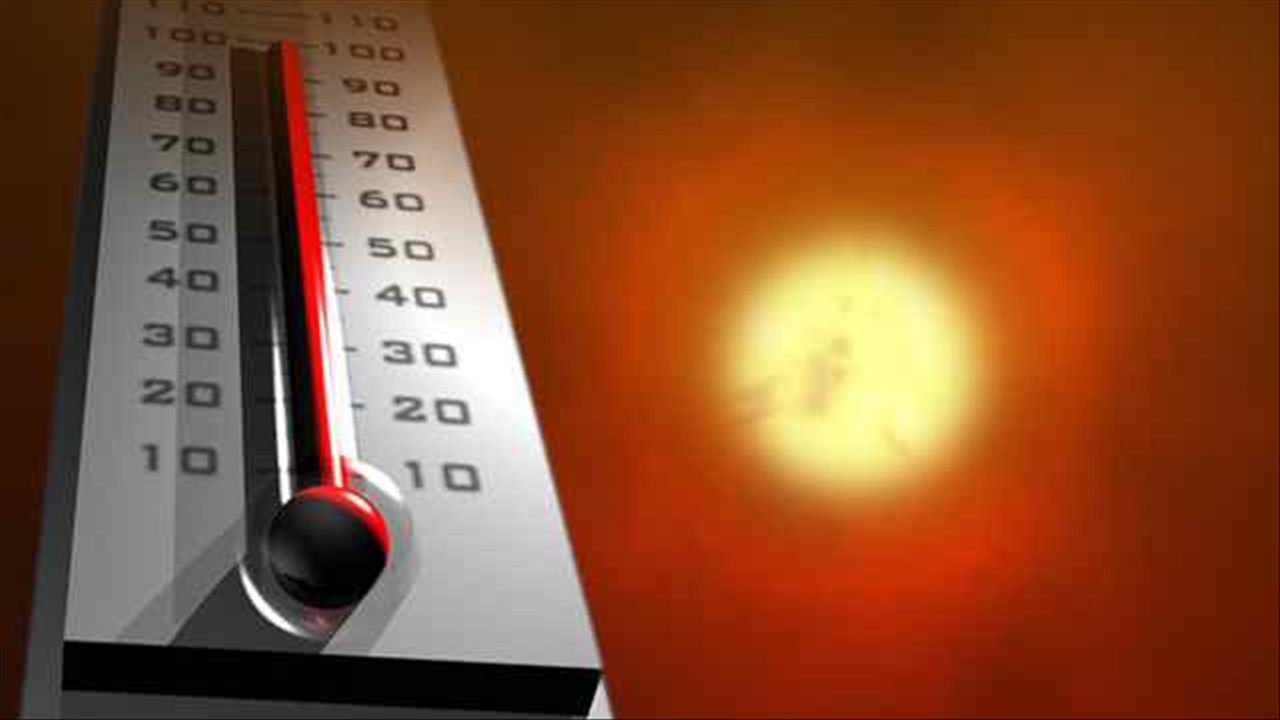
NASA and the National Oceanic and Atmospheric Administration recently declared 2014 as the hottest year on earth since record-taking began in 1880.
According to scientists the increase in average temperatures is likely to have a major impact on human health in ways that will reduce productivity and mental well-being significantly.
Mariska van Aswegen, spokesperson of Pharma Dynamics – a leading supplier of anti-depressants and advocate for mental health in SA – says the average temperatures in Southern Africa have risen by 1.5°C over the past century as opposed to 0.8°C globally, which poses a more immediate threat for South Africa.
“As SA begins to experience longer and more intense heat waves, so too the degree to which individuals suffer from heat stress will increase and further compromise mental well-being.”
Several research papers from around the globe confirm the negative impact of heat waves on mental health. The most noteworthy involves a 13-year Australian study which found that extreme heat exposure exacerbate symptoms of dementia, depression and anxiety. Admissions to psychiatric hospitals also increased by 64% during periods of prolonged heat exposure.
Van Aswegen notes that the 10 hottest years on record have all occurred since 1998 and that the overall trend is up.
“The sad reality is that the majority of people won’t be able to escape the sweltering heat in air-conditioned offices. Many will have to continue to brave heat waves in inadequately cooled homes, offices, schools, construction sites and factories. Not to mention those working outside harvesting in the fields.”
According to van Aswegen an average temperature of 30°C for two days and longer would be considered a health alert. “If you do experience ill mental health, you need to take extra care of yourself in extremely hot weather conditions. Individuals taking psychotropic medications are at a higher risk for heatstroke, since these medications can interfere with the body’s ability to regulate heat.
“In extreme hot weather, there is an increased risk of dehydration and overheating. Exposure to heat and direct sunlight can make symptoms of mental ill health much worse and can further impair mood and energy levels.”
To keep cool when the mercury is rising, Van Aswegen gives the following advice:
- Stay out of the heat and direct sunlight, especially if you have been diagnosed with a mental health condition or experience any side effects from medication
- Shut windows and pull down the shades when it is hotter outside and then open them when it’s cooler
- Keep a spray bottle in the fridge to cool your face and extremities with water or take a cool shower or bath
- Ensure you have adequate supplies of medication if extreme hot weather persists
- Stay out of the sun and don’t go out between 11am and 3pm
- If you have to go outdoors, take a bottle of water with you to stay hydrated and eat small but regular meals
- It’s best to seek out air-conditioned public spaces such as a shopping mall or community centre
- Wear light and cool clothing
“Isolation in extreme heat can make symptoms of mental ill health worse. Keep in daily contact with family, friends and neighbours. Those suffering from depression can contact Pharma Dynamics’ toll-free helpline on 0800 205 026, which is manned by trained counsellors who are on call from 08h00 to 20h00, seven days a week.
“Should you feel mentally or physically unwell or experience signs of heat stress such as dehydration, dizziness, headaches, changes to breathing, heart rate and blood pressure, nausea, vomiting or cramps, contact your doctor immediately,” recommends van Aswegen.
Pharma Dynamics remain committed to public education and advocacy efforts for mental wellness in South Africa and encourages the public to engage in a dialogue about mental health and wellness via www.letstalkmental.co.za.