What you need to know about skin cancer
Skin cancer: The causes, treatment and myths you should know ...
It is said that South Africa has the second highest incidence of skin cancer in the world, after Australia.
In particular, South Africa has one of the highest incidents of melanoma worldwide. At least 20 000 South Africans are diagnosed annually with non-melanoma skin cancers and approximately 1 500 others are diagnosed with melanoma.
Everyone, regardless of racial or ethnic group, is at risk of getting skin cancer. Although people with darker skins are less susceptible because their skin contains more natural melanin that protects against sun damage, everyone is at risk. Skin cancer is a common and locally destructive cancerous growth of the skin. It originates from the cells that line up along the membrane that separates the superficial layer of skin from the deeper layers.
What causes skin cancer?
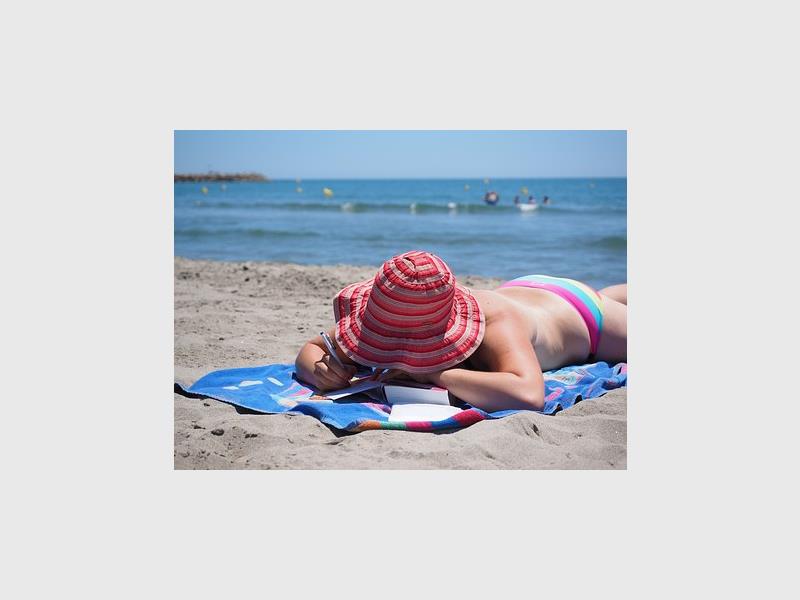
Cumulative sun exposure causes mainly basal cell and squamous cell skin cancer, while episodes of severe sunburn, usually before age 18, can cause melanoma later in life. Other less common causes are repeated X-ray exposure, scars from burns or disease and occupational exposure to certain chemicals.
Myths:
• The sun is only dangerous in summer or on a hot day
• Sunscreen will protect me completely from the harmful effects of the sun’s rays
• One or two cases of sunburn won’t result in skin cancer
• People with darker skins are not at risk for getting skin cancer
• Sun beds area a safer alternate to obtain a tan
• There is no such thing as a healthy tan – even a sunless tan …
What is the treatment for skin cancer:
• Topical medications
• Destruction by electrodessication and curettage (EDC)
• Surgical excision
• Mohs micrographic surgery
• Radiation therapy
These are some of the changes to look out for when checking your skin for signs of any cancer:
• New moles
• Moles that increases in size
• An outline of a mole that becomes notched or irregular
• A spot that changes colour from brown to black or is varied
• A spot that becomes raised or develops a lump within it
• The surface of a mole becoming rough, scaly or ulcerated
• Moles that itch or tingle
• Moles that bleed or weep
• Spots that look different from the others
• Details: Contact 0800 22 6622 or send an email to info@cansa.org.za.
Do you perhaps have more information pertaining to this story? Email us at randfonteinherald@caxton.co.za (please remember to include your contact details in the email) or phone us on 011 693 3671.
For free daily local news on the West Rand, also visit our sister newspaper websites
Remember to visit our Facebook, Twitter and Instagram pages to let your voice be heard!