
National Blood Donor Month highlights lifesaving need
Only a small percentage of South Africans donate blood regularly, placing ongoing pressure on supplies.
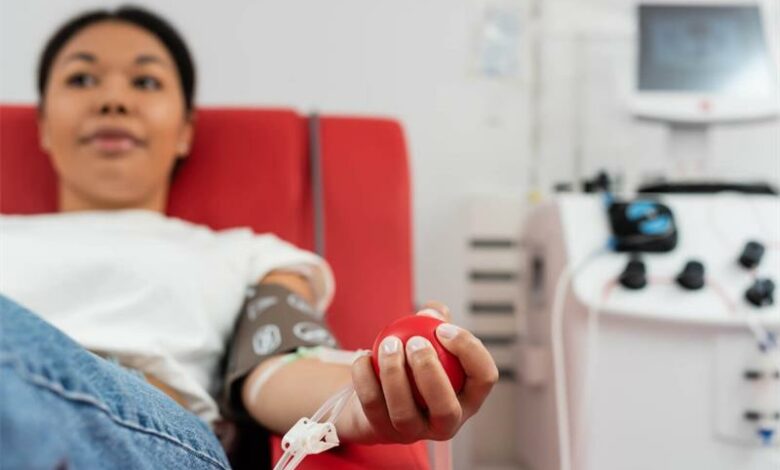
As South Africa marks National Blood Donor Month, health cover provider Affinity Health is encouraging more people to consider donating blood and helping those in need of life-saving treatment.
Blood donation is one of the clearest ways people can make a direct difference in someone else’s life,” said Murray Hewlett, CEO of Affinity Health.
Blood donation is often spoken about in general terms, but every unit of blood collected has the potential to help a real person facing a medical emergency or ongoing treatment. This could include a mother experiencing complications during childbirth, a child undergoing cancer treatment, a patient involved in a serious road accident, or someone living with a blood disorder who requires regular transfusions.
• ALSO READ: Blood bank honours nurses who save lives every day
According to the World Health Organisation (WHO), blood and blood products are essential for trauma care, surgery, maternal healthcare and the treatment of serious illnesses. Because blood cannot be manufactured, every transfusion depends on voluntary donors.
One of the reasons blood donation is so important is that a single donation can help more than one patient. Blood is separated into components such as red blood cells, plasma and platelets, allowing it to be used for different medical needs. The Western Cape Blood Service says one donation can save up to three lives.
While many people associate blood shortages with major disasters, hospitals and clinics require blood every day. The South African National Blood Service (SANBS) aims to collect around 3 500 units of blood daily to meet demand and maintain reserves. However, only about one in every 140 people donates blood regularly, placing pressure on the country’s blood supply.
Another challenge is that blood has a limited shelf life. SANBS states that donated blood lasts only 42 days, meaning supplies must constantly be replenished. This makes regular donations essential throughout the year.
Although all blood groups are important, O-negative blood is especially valuable in emergencies because it can be given to patients of any blood type when there is no time to determine compatibility. However, blood services stress that donors of all blood groups are needed to maintain balanced stock levels.
According to SANBS, first-time donors generally need to be between 16 and 75 years old, weigh at least 50kg, be in good health and wait 56 days between whole-blood donations. Before donating, potential donors undergo a screening process that includes health questions and basic checks such as blood pressure and haemoglobin testing.
The health insurance company says National Blood Donor Month is an important reminder that healthcare relies on communities supporting one another. By donating blood, ordinary people can make an extraordinary difference and help ensure that life-saving treatment is available when it is needed most.