
How to become a zero-waste household
DID YOU KNOW: 65 per cent of the waste (about 38 million tonnes) that South Africa creates is recyclable.
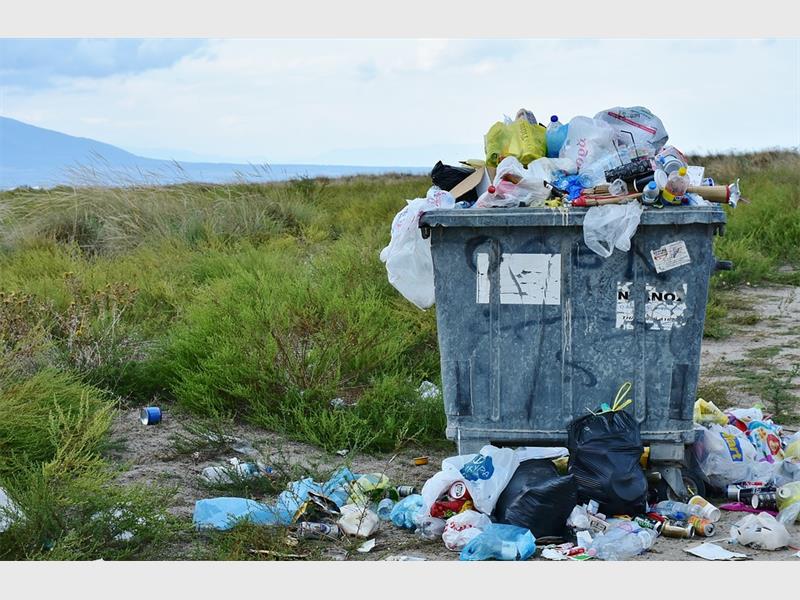
According to GreenCape’s Waste Economy: Market Intelligence Report 2017, 65 per cent of the waste (about 38 million tonnes) that South Africa creates is recyclable.
“That amounts to an estimated R17 billion/ year worth of resources that could be redirected into the economy if 100 per cent of these waste streams were recycled,” said Adrian Goslett, Regional Director and CEO of RE/MAX of Southern Africa.
“It is so important that we look after the environment. We encourage all homeowners to do their best towards living a greener lifestyle – if not for the benefit of the environment, then at least for the benefit of their own pockets,” Adrian said.
But, where does one start?
“Well, it is important to remember that Rome wasn’t built in a day. Becoming a zero-waste household is a process of slowly unlearning old habits and replacing them with new ones.”
Below are just a few changes you can make to start forming greener habits:
• Change the way you buy
We’re creating over three million tonnes of packaging waste each year – and just over half (1,9 million tonnes) of it ends up in recycling plants.
Consider for a moment the content of your waste bin at the end of any given month: in all likelihood, there is a collection of plastic shampoo bottles, various assortments of plastic food containers, and a rainbow of colourful disposable razors and toothbrushes lying at the bottom of the bin.
“There are so many disposable products we habitually purchase without considering how much unnecessary waste they produce. Purchasing products in bulk can reduce the amount of unnecessary waste created by throwing away smaller bottles/ containers more frequently. However, if you are aiming to become a zero-waste household, you want to find items that: (a) have no packaging waste, and (b) can be reused or refilled when the contents have been depleted,” Adrian advised.
• Create your own compost heap
There is so much kitchen and garden waste that ends up in landfills that could have been used in your own backyard. Items such as egg boxes, old newspapers, teabags and coffee grounds, as well as egg shells and all of your veggie scraps, can be used to create a great fertilizer mix.
“Many homeowners avoid this option because they do not want the stench that it can create. But, this can be avoided entirely if the proper mix of materials is added to the heap,” said Adrian.
Compost tends to smell pungent only if you have included too much nitrogen-based material (green waste), if there is too much moisture and not enough aeration, or if the pile has not been mixed often enough.
• DIY where possible
“Another way to reduce the amount of waste your household creates is simply to buy fewer consumable products each month,” said Adrian.
Cleaning products are a prime example of unnecessary consumable items we continually purchase – from furniture polish in each scent in the range, to dusting cloths in three different shades of pink. There are so many simple cleaning solutions that you can make in a reusable glass container at home that will save all the waste that would have been created if you had purchased the detergent instead. White vinegar diluted in water, for example, is great for cleaning all sorts of surfaces as its acidity is strong enough to dissolve dirt, soap scum and hard water deposits without marking the surface.
“Going green is not always the easiest thing to do. Then again, nothing worth doing normally is. It will take a while to get used to these new habits, but the long-term effects will make it entirely worth the effort,” Adrian concluded.
For the full text of the Waste Economy: Market Intelligence Report 2017, click here
Do you perhaps have more information pertaining to this story? Email us at randfonteinherald@caxton.co.za (please remember to include your contact details in the email) or phone us on 011 693 3671.
For free daily local news on the West Rand, also visit our sister newspaper websites
Remember to visit our Facebook, Twitter and Instagram pages to let your voice be heard!