
Driver behaviour – have you looked in the mirror lately?
The Motor Industry Workshop Association said finger-pointing hasn’t worked. Here's how to improve your driver behaviour ...
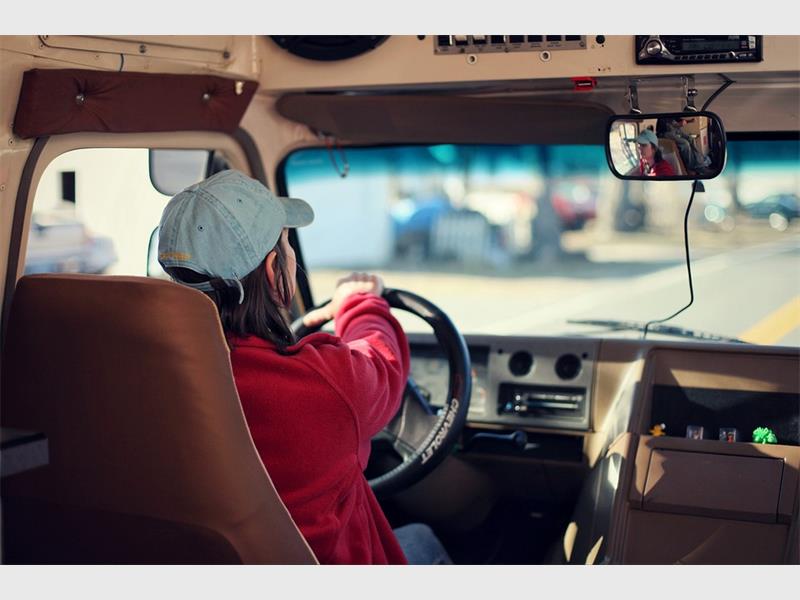
The funny thing about driver behaviour is that we all think we are excellent drivers and everyone else isn’t.
There’s also a tendency to think that because other drivers are breaking the road rules, we can too, said Dewald Ranft, Chairman of the Motor Industry Workshop Association (Miwa), an affiliate association of the Retail Motor Industry Organisation (RMI).
“It’s time we brought order back to our roads and this needs to start with each one of us looking into how we can improve our behaviour while driving,” said Dewald.
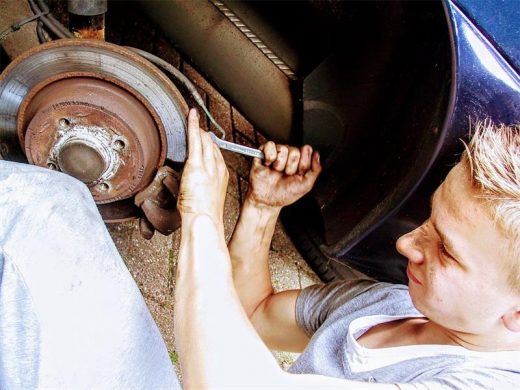
According to Miwa, South Africa has an exceptionally high road mortality rate and so far, finger-pointing hasn’t worked. He said driving responsibly also goes a long way to extending the life of your vehicle and its parts.
“Harsh braking, rapid accelerating and so on all contribute to the wear-and-tear on essential parts of your vehicle,” he said.
So where do we start? Dewald believes that sticking to speed limits and keeping a good following distance are two easy ways to make a difference.
“Speed kills. While it may sound cliched, it’s the truth. By speeding and driving too close to other vehicles we greatly increase the chances of an accident. Speed limits and following distances have been worked out based on human response times, braking systems in vehicles and other factors. Let’s respect the science more.”
He added that the fact that others are speeding doesn’t mean you have to do so as well.
“The far right lane is the fast lane. Stay out of this lane if you are feeling pressured by other drivers to break the speed limit. The same applies to the yellow emergency lane. This lane is intended for emergency vehicles, vehicles that have broken down or an escape route for vehicles to use to avoid an accident. You should not be in this lane otherwise, irrespective of what others are doing.”
Dewald added five more tips to improve our driver behaviour:
• Respect yellow and red traffic lights. They mean stop, not speed up.
• Remember what the lines on the road are there for. They indicate when you can and can’t overtake. They are there for a reason.
• Indicators are not an optional extra on vehicles. Use them!
• Try to leave a little earlier for trips rather than rushing. You’ll find you are far calmer and more accommodating when you have time to spare.
• Remember your manners. Let people in. Be forgiving if people make mistakes and let’s all be less aggressive towards other drivers.
Lastly, he said it’s vitally important to make sure your vehicle is roadworthy.
“Sadly, many drivers knowingly put their lives at risk by getting behind the wheel of a vehicle even when they know there is a problem with the car.”
He pointed out that it is a legal requirement in South Africa that all vehicles must be in a roadworthy condition.
“Taxis and buses must undergo a roadworthy test every year and a roadworthy certificate must be presented before a new car can be registered.”
The fact that roadworthy certificates are only presented for cars on change of ownership means that for many drivers, roadworthiness might not be top of mind.
“Periodic roadworthy testing is not compulsory in South Africa. However, driving a car that is not roadworthy is not only risky on the roads, it’s also risky when it comes to your finances. Most car insurance claims will not be paid out if it is found that the vehicle involved in the accident was not in a roadworthy condition,” said Dewald.
The onus is on you to ensure your vehicle is safe to drive, so it’s important to regularly service and maintain it and request a full safety inspection from qualified mechanics and technicians, preferably from an accredited Miwa workshop. Regular maintenance will ensure that the shock absorbers are in good condition, that the braking system is working properly and that all the vehicle’s safety technologies, such as ABS and airbags, are in working order.
“As South Africans, it’s time that we all pulled together to help improve our daily lives. Be a responsible citizen on our roads. Stop pointing fingers at other drivers. Make the decision to improve your driver behaviour, despite what others do. Who knows, we may just start a trend and reduce our devastatingly high road death numbers,” concluded Dewald.
Do you perhaps have more information pertaining to this story? Email us at randfonteinherald@caxton.co.za (please remember to include your contact details in the email) or phone us on 011 693 3671.
For free daily local news on the West Rand, also visit our sister newspaper websites
Remember to visit our Facebook, Twitter and Instagram pages to let your voice be heard!