
#WisdomWednesday: How to safely shop online this Black Friday
To ensure that everyone is safe and has a great shopping experience, a bank has compiled tips to minimise your risk of falling prey to cybercrime.
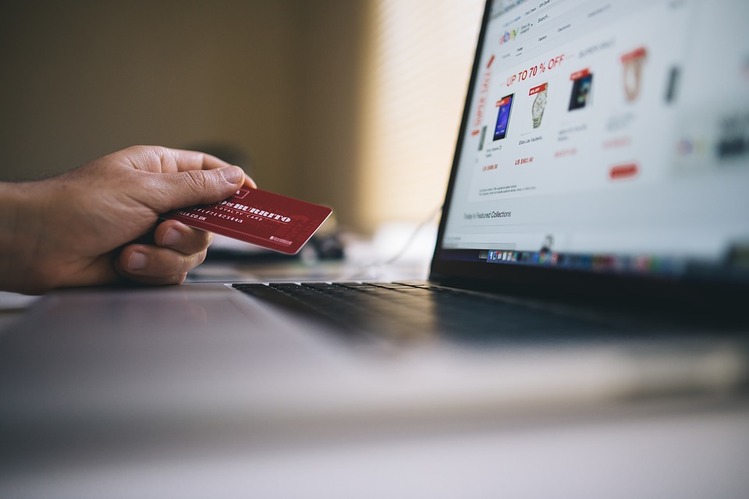
It’s November, and that means consumers are preparing for the Black Friday frenzy on Friday, 23 November.
According to Cowyk Fox, Managing Executive of Everyday Banking at Absa, “More and more consumers are now opting for greater convenience by shopping online. With 45 per cent of digitally connected consumers in South Africa claiming to have bought products online in 2017, information security fears remain one of the major concerns and barriers for potential online shoppers.
“Online shopping has changed the consumer market exponentially by providing shoppers with access to more goods, greater choice and convenience. However, there is always a risk of cyber-crime and information safety when transacting online.
Information security fears are well-founded and could potentially ruin any online shopping experience. Being alert to potential scams is vital in protecting yourself whilst enjoying your online shopping experience,” Cowyk said.
As online purchases surge during seasonal promotions like Black Friday and Cyber Monday, Cowyk shared safety tips to protect yourself and minimise the risk of falling prey to cyber-crime and scams.

Here are some safety tips to protect yourself against cyber-crime and scams:
• Two-factor authentication (2FA) can save you from fraudulent transactions. Using 2FA means that you’ll be alerted immediately if a transaction you haven’t authorised is about to take place. You can act immediately and save yourself from fraudulent activity.
• Always use reputable shopping websites that you can trust like Takealot or Superbalist. It’s always a good idea to double-check if the URL (Uniform Resource Locator) contains a padlock and that the ever-important ‘https’ is visible as the ‘s’ means the site is secure.
• Your device’s security should be your first priority. Ensure your virus protection software is up-to-date and don’t access online shopping sites from unsecured public Wi-Fi like the public networks used in hotels, coffee shops and restaurants, as they are more vulnerable to hacking.
• There are different types of scams. Phishing, which is very common, typically looks like an email from your bank containing links that take you to a malicious site, and prompt you to enter your personal details. Pharming is even more sophisticated, because it redirects you to a malicious site automatically without having to click on an external link.
The most important key to online security is to keep an eagle eye on your account and check your statements and accounts regularly to make sure you’re the one spending your money. If you find any suspicious-looking transactions, get hold of your bank straight away.
Do you perhaps have more information pertaining to this story? Email us at randfonteinherald@caxton.co.za (please remember to include your contact details in the email) or phone us on 011 693 3671.
For free daily local news on the West Rand, also visit our sister newspaper websites
Remember to visit our Facebook, Twitter and Instagram pages to let your voice be heard!