
‘South Africans feeling the pinch’ – How to cope …
Bank suggests how consumers can cope with the ongoing tariff increases ...
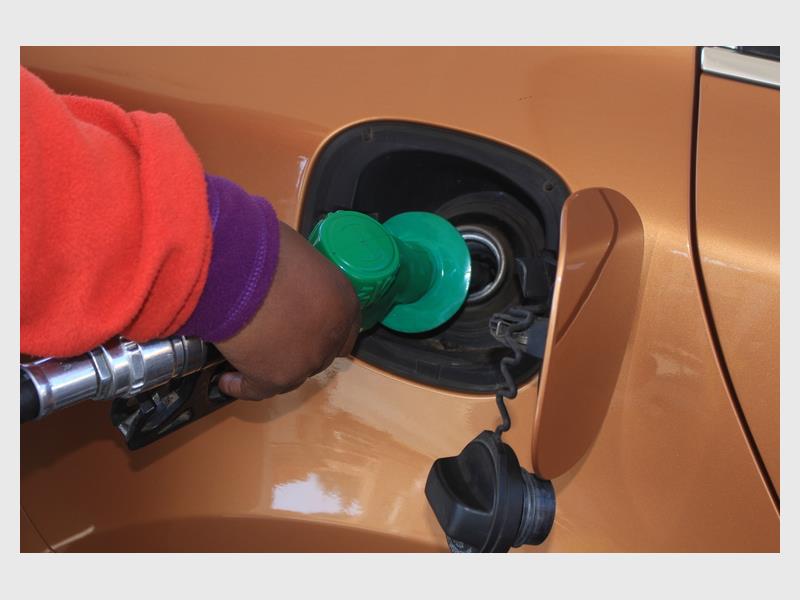
South African consumers are feeling the financial pinch with the recent fuel increase, which, in addition to their daily household expenses, is putting strain on their pockets.
“South Africans have been burdened with exorbitant tariff increases over the past quarter. As the year progresses, consumers may be faced with a few more increases, especially if global oil prices continue to rise from the current levels,” warned Ester Ochse, Product Specialist, FNB Wealth and Investments.
“Consumers are encouraged to make allowances for fuel and electricity tariff increases in their monthly budgets. This allocation will help ease the financial strain and ensure that they are well-secured with their finances.”
She added that while economic growth is anticipated in the longer term, consumers are advised to manage their expenses by reducing non-essential spending and saving more.
Ester explained: “Consumers should understand how the tariff increases affect their pockets.”
To illustrate how the tariff increases affect your budget, we took a look at what it will cost to fill up a 55-litre fuel tank with petrol, and with diesel.
Petrol:
• Price per litre in April 2019 – R15,81
• Increase as of 1 May 2019 – 0,54c/ litre
• Price after the increase on 1 May 2019 – R16,35
• Price per tank – R899,25
Diesel:
• Price per litre in April 2019 – R14,60
• Increase as of 1 May 2019 – 0,01c/ litre
• Price after the increase on 1 May 2019 – R14,61
• Price per tank – R803,55
Work out how many times you need to fill your vehicle’s fuel tank in a month, and budget for the resultant amount.
The effect of the petrol and diesel price increases can be felt far beyond the consumer.
“The increases have a knock-on effect for both businesses and consumers. This indirectly affects household expenses, transport, etc. Tariff increases, whether low or high, can cause strain. This should be part of your working budget, just to ensure that you mitigate the risk of not being able to pay for your household expenses,” concluded Ester.