How to recover from the shackles of debt
Bank on steps that can be taken to recover from being over-indebted.
“Being overindebted can be an overwhelming and debilitating experience and if not managed properly, debt can easily spiral out of control,” warned FNB.
Dhashni Naidoo, Programme Manager: Consumer Education at FNB said, “There are smart, proven ways to manage your debt and bring you back into sound financial health.
“It’s important to maintain a prudent approach to money management to avoid the debt trap, and this includes resisting the temptation to take on more debt when you are already overburdened. As soon as you realise that you are unable to service your debt, it’s advisable that you relook your expenses and trim out non-essential expenses to free up some money.
“If you are not able to cover your household expenses because you are over-indebted, then it is time to take decisive steps to turn your financial situation around.”
Typically, when one has reached breaking point there are signals of over-indebtedness that should never be ignored. These include: skipping payments, borrowing to settle debt and developing stress due to the weight of the debt.
Over-indebtedness is not a life sentence, it can be overcome but this requires commitment and sacrifice because a lifestyle change may be necessary to turn things around. Cutting down on luxury items may be difficult, but over the long-term it will avail extra cash that can be directed towards debt.
Here are some of the steps that can be taken to recover from being over-indebted:
• Don’t take on more debt: If you are struggling to meet your expenses due to debt levels do not borrow further to cover expenses.
Now is the time to commit yourself to clearing your debt and make a new start towards financial freedom by having a budget and sticking to it, monitoring your spending habits and avoiding debt, unless you can afford it.
• Change your habits: Some habits can be hard to break but when faced with heavy debt it’s crucial to make changes in the way you spend money.
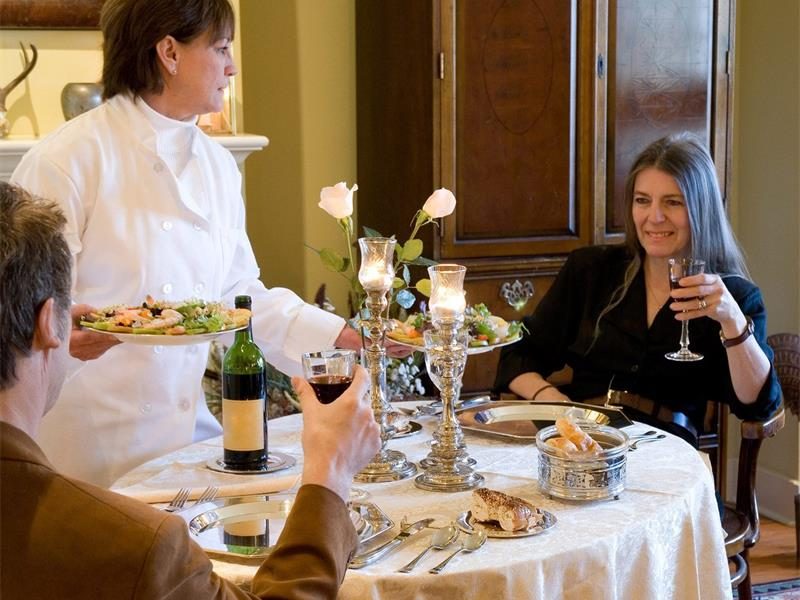
Start cutting down on nonessential expenses such as eating out, holiday trips and expensive clothes. As you cut down on unnecessary expenses you will free up some money that can go towards clearing debt.
• Negotiate with lenders: Lenders are always willing to renegotiate repayments if you can prove you are over-indebted and are struggling to honour your debt.
However, if your lender agrees to a reduced repayment amount, it will extend the repayment period but this can help ease the pressure on you.
• Make sacrifices: You may have to let go of certain items to free up some cash.
For example, if you are spending a substantial portion of your income on car repayments, consider downgrading your car to reduce the instalment. The same principle can be applied to cellphone contracts. Another approach would be to spend less on entertainment and consider carpooling for travelling to and from work. We need to start being more prudent and disciplined about expenditure. By making certain sacrifices we can improve our financial well-being.
“Credit is not a bad thing if it is being used to improve your life. For example, a home loan is credit, but you have an asset in the form of your home. Bad credit, which is used for consumption, on things you don’t need and are considered luxuries can be detrimental to your financial well-being. Don’t view credit as quick cash for daily things. It’s expensive and can lead you down a debt spiral,” said Naidoo.
Do you perhaps have more information pertaining to this story? Email us at randfonteinherald@caxton.co.za (please remember to include your contact details in the email) or phone us on 011 693 3671.
For free daily local news on the West Rand, also visit our sister newspaper websites
Remember to visit our Facebook, Twitter and Instagram pages to let your voice be heard!