
Femicide: ‘The real criminals are the men who sleep beside them every night’
Study shows between 29 and 51 per cent of SA women have experienced some form of intimate partner violence in their lifetime.

Research by the Institute of Security Studies (ISS) estimates that between 29 and 51 per cent of South African women have experienced some form of intimate partner violence in their lifetime.
In 2017, the World Health Organization revealed that globally, an estimated 38 per cent of female murders were committed by a male partner, while a household survey by the South African Medical Research Council found that 40 per cent of men have at one point hit their partners, while one in four men admitted to having raped a woman.
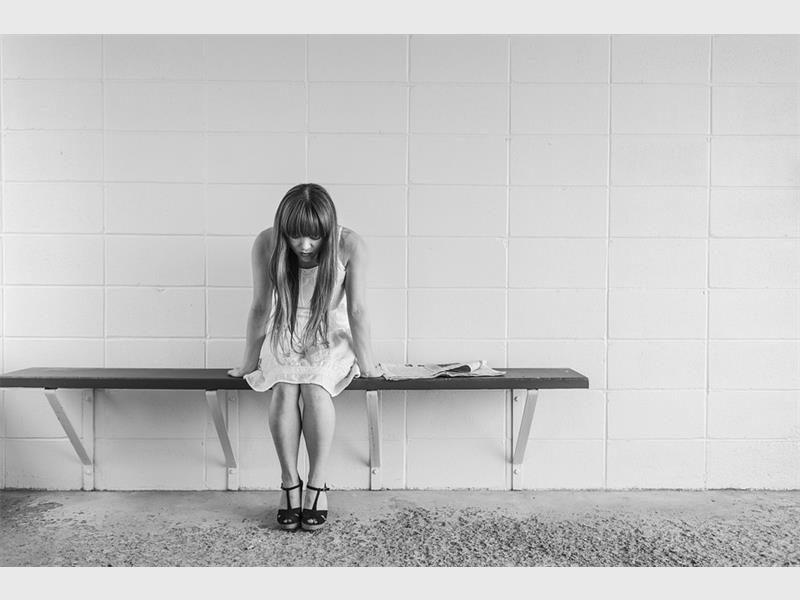
This is according to the Valued Citizens Initiative – a non-governmental organisation that provides academic and social justice support programmes to various stakeholders, including learners, educators, senior management teams, youth at risk, and children in conflict with the law.
The perpetrators of these hideous crimes are not always lurking ‘out there’ as women have lived their lives fearing. More often than not, the real criminals are the men who sleep beside them every night,” said Carole Podetti-Ngono, founder and Managing Director of Valued Citizens Initiative.
She added that the recent spike in femicide reports in South Africa serve as an example: South African boxing champion, Leighandre Jegels, was shot and killed by her police officer boyfriend during Women’s Month; University of Cape Town student, Uyinene Mrwetyana, was allegedly attacked, raped and murdered by a Post Office employee in Cape Town this month; and fourteen-year-old Janika Mallo’s body was found in a backyard in Heinz Park.
“These are just some tragedies that made it onto the news – numerous others were plastered as missing all over our social media, and sadly all of them were women or girls. These heinous crimes are often splashed across newspaper headlines, leaving the world reeling in their wake, with experts attempting to make sense of the violent acts.”
According to Podetti-Ngono, general lawlessness, feelings of jealousy, a crippling inferiority complex and easy access to weapons are usually to blame.
We have seen the numbers, the possible reasons as to why these crimes continue to affect women, and we have heard all possible interventions, but this scourge continues regardless.
“We need all of society to take a firm stand against this pandemic. Valued Citizens Initiative enables individuals to lead a purpose-driven life engaging with the values of our Constitution that we so dearly need portrayed in our country. As such we believe that part of the solution to gender-based violence could lie in what we teach males from the time they are young children.”
She added that currently, South African men are indoctrinated on their superiority in relation to women, from the time their tiny hands are able to properly grasp a toy.
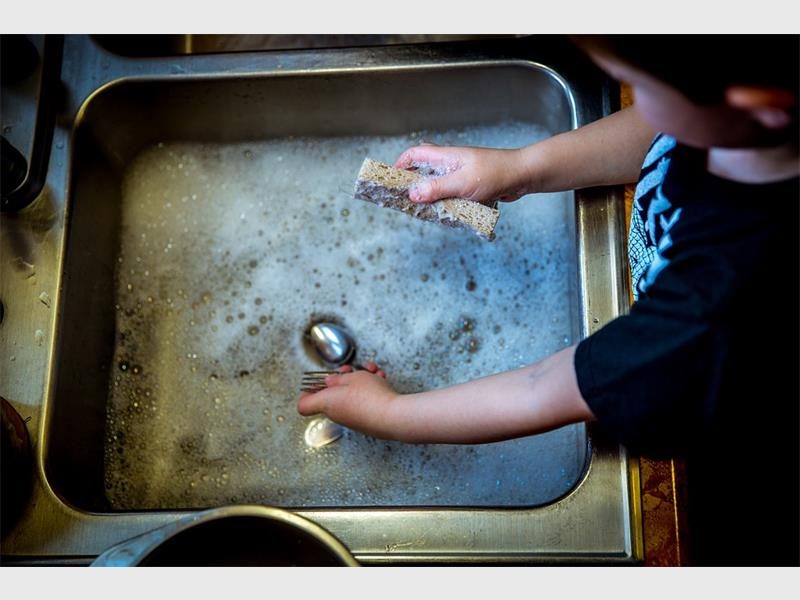
“Boys are taught that only men drive big trucks, they alone are able to operate heavy machinery or own guns. Added to this, gender disparities are further entrenched inside the home where patriarchy is widely accepted and practised in many cultures.
Boys grow up within a family which places the father, the head of the household, on a pedestal while the woman, the subordinate, is tasked with a variety of household chores aimed at ensuring her partner’s comfort.
“It soon becomes the norm that general household chores, such as cooking and cleaning, are the sole responsibility of the woman, with some men believing that such duties are beneath them. Later, they believe that they have ‘to call the shots’ and that girls should be submissive. Furthermore, the advertising industry reinforces these stereotypes by portraying women visually, physically and sexually as objects of desire.
“With this belief firmly wedged into their minds, some men are quick to react with violence when petty jealousies or an inferiority complex creeps into the relationship. Their brute strength is often used as an affirmation of their superiority.
In some communities, the cultural paying of the “bride price”, also known as lobola, often gives men a false sense of entitlement which can lead to abuse when they feel the woman is not living up to their expectations within the marriage.”
Podetti-Ngono continued to say all children are instilled with a set of values from birth, ranging from simple morals such as never telling lies or stealing.
“Why not add to that list respect for self and others, including the opposite gender? Give boys a broom and a washcloth and teach them to tend to household chores alongside their female siblings. Teach boys that when a woman says no, she means no.”
She further emphasised that, “Boys need to grow up understanding that even within cultural confines, women are not less than them, and that paying lobola does not mean ownership but is rather the creation of a bond between two families,” and added that the South African culture of sending young boys “to the mountain” to become men needs to be used as a tool against domestic abuse.
“There they are taught, amongst other things, to respect fellow men and to become leaders within their communities.
Let us urge community leaders to emphasise respect for women in these lessons as well.
“Women need to be seen as equals, as worthy of respect and care. This is within our reach if we work together at it.”