Honey, what can be sweeter?
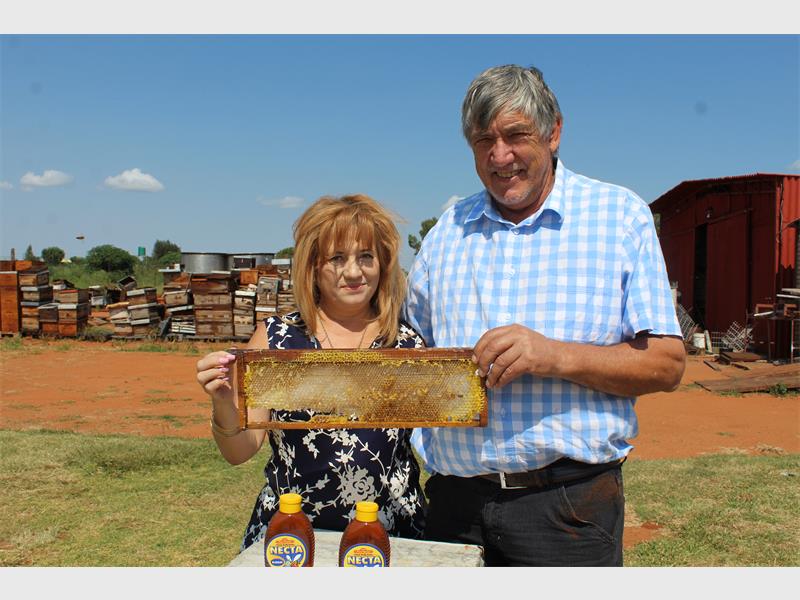
The Herald visited a local bee keeper to find out more about what they do and why bees are so important to us.
Necta Honey Farm based in Rikasrus, Randfontein was established with 200 beehives 34 years ago in 1986. The number has since grown to over 1 000 beehives.
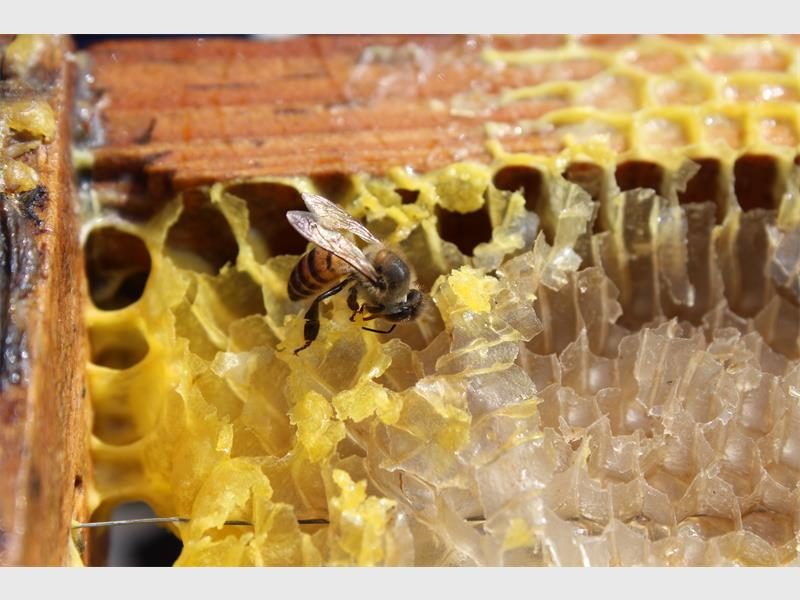
Photo: Michelle Roodt.
Edward van Zyl, owner of Necta Honey Farm stated that unlike many other honey processors in South Africa, no imported honey is being processed at Necta Honey Farm.
“We take pride in not using imported honey, and that we promote the use of local honey,” Edward said.
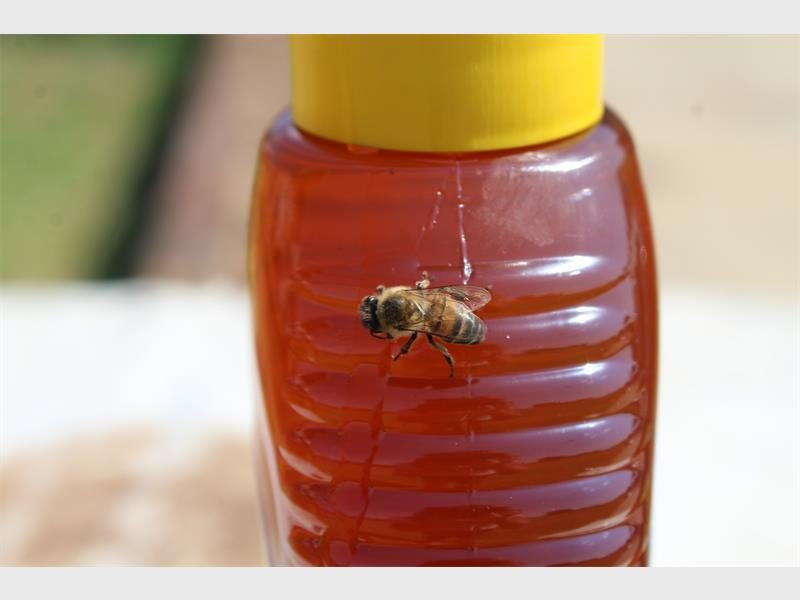
Photo: Michelle Roodt.
He and his wife Rinette run the Necta Honey Farm, and emphasised that producing honey is not a quick and easy task.
According to Edward, you need a permit to start keeping bees. You can either catch the bees or buy them to start your business.
“Registration is free, but it is not an easy industry, that is why there aren’t many beekeepers left.”
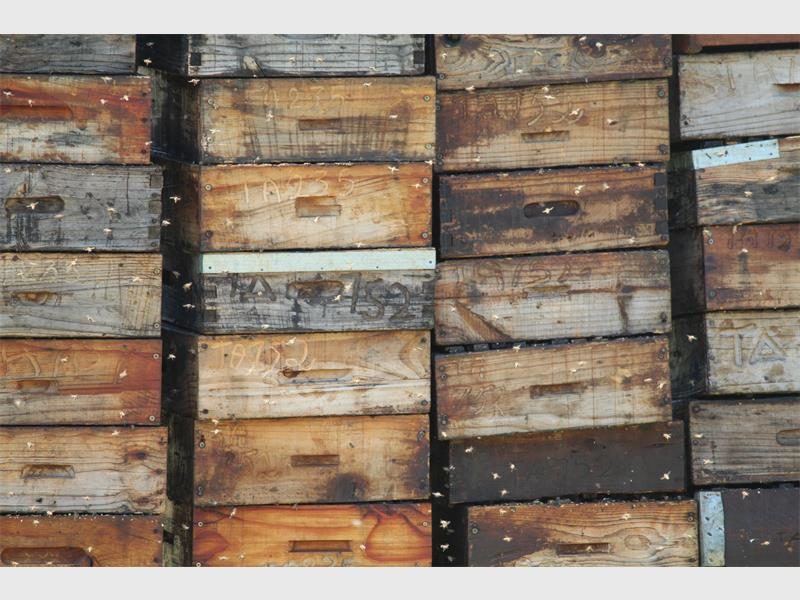
Photo: Michelle Roodt.
Edward added that honey is yummy, but there is so much more to it. Honey is one the oldest known antibiotics. It can be used to heal sores and has many other health benefits.
He explained that the queen bee leaves the hive only once in her lifetime to find a partner. All the worker bees are female.
Rinette elaborated on the very important role of bees in the world.
“The bees pollinate the vegetables and fruits, which are needed for them to grow … so what would happen if bees aren’t around anymore?” she asked.