
Life Robinson serves, come second wave hell or emergency high water
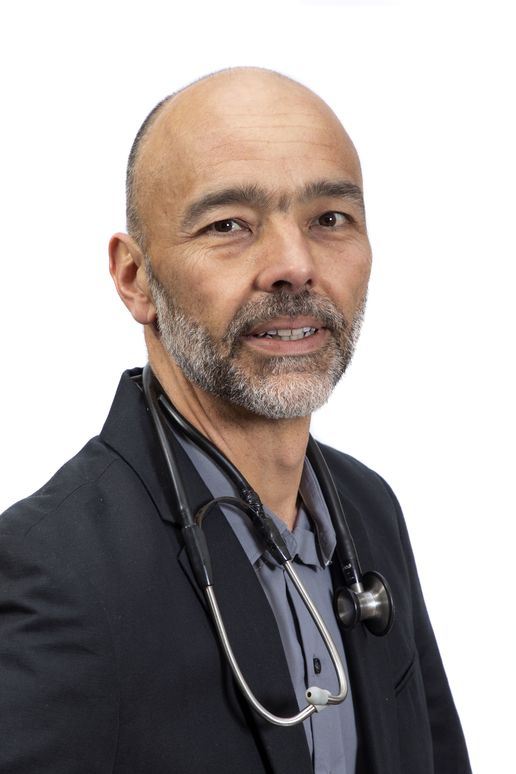
Dr Charl van Loggerenberg reassures the public that all Life hospital emergency units remain operational and open for any medical emergency. The fear of the risk of Covid-19 exposure or infection should not prevent people from seeking emergency medical attention.

With the second wave of Covid-19 upon us, most might be panicking, but a doctor at Life Robinson Private Hospital spoke to the Heraldabout the current situation as well as how the public can stay safe and calm.
Dr Charl van Loggerenberg, Life Healthcare’s General Manager: Emergency Medicine, confirmed that the hospital’s emergency unit remains operational and open for any medical emergency. Fearing the risk of Covid-19 exposure or infection should not prevent people who need it from seeking emergency medical attention at their nearest hospital emergency unit. If possible, they could call ahead to inform the emergency unit that they are on their way.
“All patients seeking emergency medical assistance at the hospital are screened for Covid-19 symptoms. Wearing masks properly is compulsory for all persons entering the hospital, as it will help maintain health and safety, and prevent the virus from spreading.”
He added that as with the first wave of the Covid-19 pandemic, hospitals are experiencing pressure during the second wave, especially with regards to Covid-19 admissions.
He gave the assurance, however, that employees, support staff, allied medical professionals, nurses and doctors remain focused on their tireless efforts to manage hospitals and care for patients with Covid-related and other conditions.
We wish to thank our doctors, nurses, healthcare workers and all of our employees for their ongoing efforts under the current circumstances. As in the first wave, we continue to ensure that each one of our hospitals uses its facilities in the most efficient manner to provide the most appropriate care to the maximum number of people.”
He said the hospital management team and doctor Covid-19 Committee work closely together, and hospital bed capacity is reassessed daily to keep all updated of facility status. Surge facilities have been established to further enhance capacity – however, resources are limited.
“Temporary Capacity Divert (TCD) is a standard practice in government and private hospitals, even pre-Covid-19. Because bed capacity fluctuates due to continuous changes, capacity can change at any point within a 24-hour period.”
According to Dr van Loggerenberg, should a patient arrive at the hospital during a Temporary Capacity Divert the patient will still be triaged as the emergency unit always remains open for life-threatening emergencies.
He explained that triage is a process that involves the clinical assessment of a patient’s condition to determine severity. Patients who present with serious or life-threatening illnesses or injuries will be stabilised. If no bed is available, the patient will be transferred to the nearest facility that has capacity and can provide the best care required for the patient’s condition. Patients who present with mild illnesses or injuries will be referred to an alternative facility for treatment and admission.
The hospital management continues to work with the hospital’s Doctor Covid Committee to manage capacity while liaising with all other local private and public facilities. Bed capacity across all Life Healthcare hospitals is fluid and is being reassessed frequently.”
He added that as such, a ‘Bed Bureau’ has been created to consolidate the number of beds available across hospitals in various regions to facilitate the transfer of patients between hospitals should the need arise. In the current circumstances, beds in their hospitals are allocated on an immediate and clinical patient need basis.
Dr Van Loggerenberg explained that symptoms of Covid-19 can appear anytime between two to 14 days after exposure. Members of the public who present with Covid-19 symptoms are urged to contact or consult their general practitioner, or contact the National Institute for Communicable Disease (NICD) on the following support numbers: NICD WhatsApp support line 0600 123 456; or the NICD 24-hours hotline – 0800 029 999/ 0800 111 132.
He added that the GP or NICD will advise individuals of the next steps and whether a Covid-19 test is required. People who suspect they may be suffering from Covid-19 should also self-isolate at home.
“In some cases, illness is mild and you can recover at home without medical care, but urgent medical attention should be sought if you experience any emergency warning signs, including difficulty breathing, persistent pain or pressure in the chest, confusion, or bluish lips or face. In these cases, you should get to your nearest hospital emergency unit, and if possible call ahead to inform the unit that you are on your way.”
He stated that common Covid-19 symptoms may be similar to flu symptoms and include, but are not limited to:
• Fever or chills
• A cough
• Shortness of breath or difficulty breathing
• Fatigue
• Muscle or body aches
• Headache
• New loss of taste or smell
• Sore throat
• Congestion or runny nose
• Nausea or vomiting
• Diarrhoea
He stated that according to the NICD, one in six people admitted to hospital with Covid-19, will die.
The statistics are not shared to cause fear but to highlight that the virus can be fatal. Everyone should take all safety precautions seriously to assist in reducing the risk of infection and older people, and those with pre-existing medical conditions such as high blood pressure, heart problems or diabetes have a higher risk of suffering from severe illness. However, anyone, regardless of age, sex, race or health status is at risk.”
According to Dr Van Loggerenberg, it is essential that everyone takes measures as advised by the government and health authorities to protect themselves and others from being infected with the virus.
He explained that wearing face masks properly (covering the nose and mouth), social distancing and proper hand hygiene are non-negotiable safety measures.
It is crucial that everyone also avoid the three Cs of Covid-19:
• Crowded places with many people nearby – only go to the shops for basic needs
• Close-contact settings, especially where people have close-range conversations
• Confined and enclosed spaces with poor ventilation
“Adhering to these safety measures will help reduce the risk of infection. If you are feeling unwell, stay at home and seek medical advice through your local GP.”
He added that people should reiterate these safety measures to their family and friends, and keep each other accountable for implementing them, for their safety and yours.
We continue to see a significant increase in Covid-19 cases across the country as a whole and at present, Life Healthcare’s peak number of admissions has exceeded the previous peak by about 25 percent. Infection rates in Gauteng are increasing at an alarming rate as people are returning to the province after the holidays.”
According to Dr Van Loggerenberg, key safety measures are in place in their hospitals for the safety of patients, doctors, staff and visitors to limit the spread of infection, in accordance with NICD guidelines and best practice infection prevention standards.
These measures include:
1. Infection prevention measures at doctors’ consultation rooms may include:
• Spacing between waiting room chairs
• Frequent hand sanitizing
• Healthcare workers using face masks and shields, gowns and gloves
• Restrictions on accompaniment to consultation rooms
• Special consent form regarding the unusual circumstances and increased overall risk linked to the Covid-19 outbreak
2. Routine screening of all persons entering their facilities to identify present signs and symptoms of Covid-19 infection to establish the risk of exposure
3. Restricted visiting hours and access to all Life Healthcare facilities
4. Universal masking: all healthcare workers, employees, outsourced services and persons entering/ admitted to the facility are required to wear a mask at all times
5. Personal protective equipment (PPE) provided to all employees and doctors in line with clinical standards. Employees trained in the appropriate use of PPE
6. Social distancing enforced throughout all areas of Life Healthcare facilities
7. Environmental cleaning according to infection prevention standards; surfaces regularly disinfected
8. Only essential access is granted to third-party service providers and supplier representatives
9. Individual risk assessments are conducted on any exposed personnel to guide the prevention of transmission
10. Continuous education: provided to community members regarding the importance of hand hygiene, cough etiquette and maintaining social distancing as effective measures to limit the spread of infection
He stated that nurses, doctors and employees all wear appropriate personal protective equipment (PPE) and follow stringent clinical and infection-prevention protocols that are aligned to the National Institute of Communicable Diseases (NICD) guidelines.
Patients suspected of having been exposed to the virus or experiencing Covid-19 symptoms are taken to a separate designated area for care.”
He explained that members of the public should continue consulting their general practitioners regarding any illness as early intervention can reduce the risk of more serious complications. The same is applicable for any person who requires emergency medical assistance, as early diagnosis and quick treatment can improve their chances of recovery significantly.
He also said that if you have Covid and your symptoms worsen, contact or consult your general practitioner or visit your nearest emergency unit, and if possible call ahead to inform the unit that you are on your way. This will allow the emergency unit employees to prepare for your arrival to ensure treatment as quickly and safely as possible.
When asked about Covid testing at the hospital, he stated that Covid-19 testing is conducted by independent laboratories, Lancet and Ampath at the hospital and at remote Covid-19 testing sites.
Tests are conducted by collection a nasal or throat swab, and individuals can contact the laboratories directly to enquire about the cost of tests.”
He added that medical aid scheme members will be funded by their medical schemes according to their benefit plans and scheme rules, and patients who are not members of a medical scheme have the option to fund the test in their private capacity or be referred to a public laboratory by their General Practitioner or by the National Institute for Communicable Diseases.