TB awareness – what you should know
Infection Prevention Specialist at Life Robinson Private Hospital, Janelle McKenna spoke to the herald about tuberculosis.
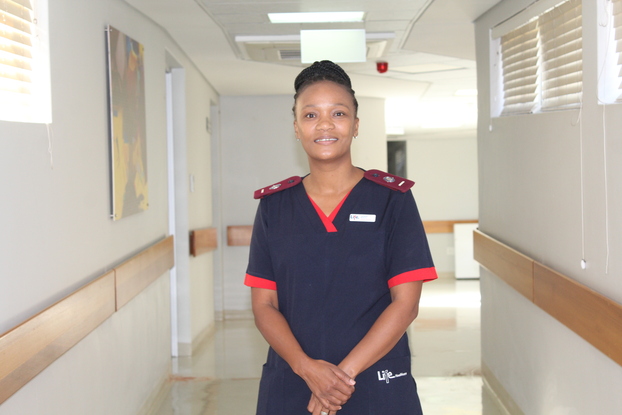
A disease that might not be spoken about enough is tuberculosis (TB) and to create awareness around it, the Herald spoke to a specialist about the topic.
Infection prevention specialist at Life Robinson Private Hospital, Janelle McKenna explained that tuberculosis is a contagious infection caused by the bacterium known as Mycobacterium tuberculosis, which mostly infects the lungs, but it can also spread to other parts of the body, such as the spine and brain.
There are two types of tuberculosis: latent TB and active TB
• Latent TB – This happens when the bacteria or germs are in your body but your immune system keeps them from spreading. Carriers of latent TB show no symptoms and are not contagious. However, the infection is still present and can become active at any time, especially if your immunity is lowered or compromised.
• In active TB, the germs multiply and you become ill (symptomatic) and you then can spread the disease to others. Most active TB cases come from adults with latent TB infections.
Janelle explained that TB spreads through the air similar to a cold or flu, but you can only get it if you come into contact with someone with active TB. When that person coughs, sneezes, or laughs out loud, tiny droplets containing germs are released.
If these germs are breathed in, you could get sick, but fortunately TB is not easy to catch and you are more likely to contract it from people whom you are in regular contact with like co-workers, friends and family.
Unfortunately TB is a deadly disease if not treated appropriately. Treatment compliance and a healthy lifestyle are the number one means of preventing TB-related deaths,” she said.
She explained that latent TB doesn’t show symptoms but one’s skin or blood can be tested to determine whether you are infected.
The following are symptoms of active tuberculosis:
• A persistent cough that lasts longer than three weeks
• Chronic fatigue
• Chest pain
• Night sweats or chills
• Fever
• Coughing up blood
• Loss of appetite
• Weight loss
She said TB is curable and in most cases antibiotics are effective, but it takes time and requires patients to take their medications consistently for the full duration of the course, which is at least six to nine months.
Not all people who get a TB infection show signs of sickness, and some TB infections can also be drug-resistant, meaning that some medications don’t work against the bacteria. For people who have HIV or AIDS, diabetes, and compromised immune systems it’s also more difficult to fend off active TB.”
Janelle gave the following tips for people who think they may have TB:
• If you suspect that you may have TB, contact your doctor or local clinic right away.
• If you have latent TB, take all your medication so it doesn’t become active or contagious.
• If you have active TB, limit your contact with other people, and cover your mouth when you laugh, sneeze or cough.
• Wear a surgical mask when you are around other people during the first weeks of treatment.
• Avoid spending a lot of time in crowded places with sick people.
• Adopt and maintain a healthy lifestyle by eating healthily, exercising, maintaining a safe sex life, and not smoking.
• It’s essential to manage your environment to prevent TB from spreading. This can be done by ensuring your environment is well ventilated, and natural light is available because UV light (direct sunlight) kills TB bacteria, and by practicing good hygiene by covering your mouth and nose when coughing or sneezing.