
Small safety steps can prevent winter tragedies
Netcare shares practical advice on preventing burns, handling fire emergencies and keeping families safe during the colder months.
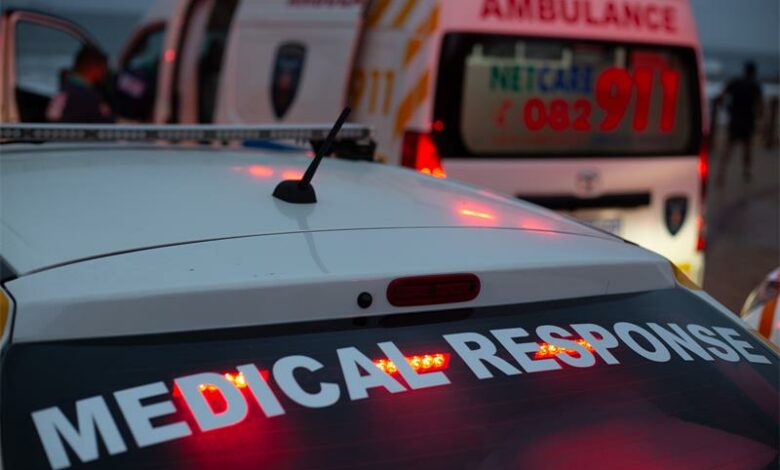
With the colder temperatures still giving us the chills, Netcare is urging communities to remain vigilant when using heating appliances and fires to stay warm, warning that accidents can quickly lead to burns, serious injuries and even loss of life.
“Accidental fires can start and get out of control incredibly quickly, leading to the risk of burns, severe injury and even endangering lives. Often, burns and heating-related injuries are preventable, but people tend to underestimate the risks in their own homes or familiar environments,” said Mande Toubkin, general manager of emergency, trauma, transplant and corporate social investment at Netcare.
“Safety must always be the priority around any source of heat, particularly if there are children around,” Toubkin continued.
She added that items such as lit candles, heaters, paraffin lamps, hot irons, kettles, stoves, cooking pots, ovens and fireplaces, as well as lighters and fire-starting gadgets, can quickly become sources of injury when safety measures are overlooked.
Tips to stay safe while keeping warm
• Never leave heat sources unattended
• Keep a clear space around heat sources and eliminate trip hazards and loose cords
• Watch children carefully in the kitchen, near heaters and around anything that could cause burns
• Set geyser temperatures to a safe level (ideally 50 to 55 degrees Celsius)
• Do not use liquid accelerants when making a fire
• Extinguish fires and switch off heating appliances overnight
• Ensure adequate ventilation in indoor spaces
• Take care when handling hot drinks, boiling water or steaming food
• Check the water temperature before children get into the bath. It should be comfortably warm, not hot
• Ensure all electrical plug points and appliance cords are in good working order
• Maintain fire extinguishers and know how to use them in an emergency
• Install smoke alarms and carbon monoxide detectors
What to do in a burn emergency
Netcare 911 operations director Shalen Ramduth said that even with precautions in place, accidents can still happen, making it important for people to know how to respond to burns and related injuries.
• Step one: Stay calm and remove the heat source or extinguish the flames.
• Step two: Assess the person’s injuries. If the burns are severe, cause significant pain, involve the eyes, are larger than the person’s hand, or if smoke inhalation is suspected, call emergency medical services immediately.
• Step three: Remove any clothing that is not stuck to the burnt areas, especially if it is smouldering. Leave any clothing stuck to the wound for medical professionals to remove.
• Step four: Rinse the affected area for at least 20 minutes, then cover the burn with a clean, wet cloth, first aid burn gel or dressing. Do not apply ice to a burn, as it can cause tissue damage.
• Step five: Keep the burn clean and protected until it can be medically assessed and treated.
Netcare advised residents to be prepared for medical emergencies by using the Netcare App, which includes the Netcare 911 emergency call and geolocation features, or by calling 082 911 for assistance.
For severe burns, the level 1 accredited trauma centres at Netcare Milpark, Netcare Alberton, Netcare St Anne’s and Netcare Christiaan Barnard Memorial hospitals are equipped to stabilise patients and provide emergency treatment. Patients with extensive and severe burns are transferred to Netcare Milpark Hospital’s dedicated burn unit for specialised multidisciplinary care.
“Effective burn care starts with public awareness and basic first aid knowledge. For serious burn injuries, our integrated team, from paramedics through to emergency departments and on to final rehabilitation specialists, works together to achieve the best possible outcomes,” Toubkin added.
“This winter, we appeal to everyone to help prevent tragedies by adopting safer practices around heating appliances and fires. Tonight, before you go to bed, do one thing: unplug that heater, put out that candle, or test that smoke alarm.”
She added that checking a home’s heating safety only takes a few minutes and every injury prevented can spare families from trauma and hardship.