
Pump pain set to follow consumers into 2027
The festive season is set to come with a heavier price tag, with motorists warned that fuel costs could remain high well into the new year.
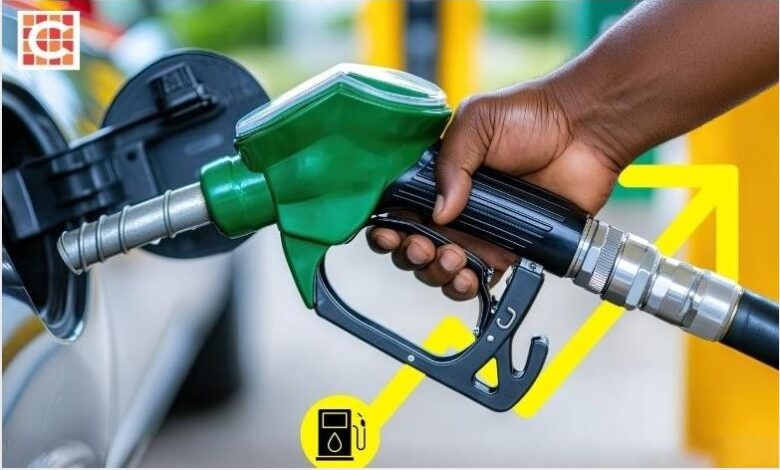
Consumers are being warned to brace for further fuel price increases well into the festive season and potentially into the first quarter of next year, with the latest hikes already putting additional pressure on household budgets.
Frank Blackmore, lead economist at KPMG South Africa, said the outlook remained challenging, particularly if the war in the Middle East continues in its current form.
“We have seen a depreciation of the rand, and therefore consumers must ready themselves for price increases to remain well into the festive season, potentially into the first quarter of next year if the war remains as it is currently,” Blackmore said.
The latest adjustments, which take effect from Wednesday, October 7, include a R3.33 per litre increase for 95 octane petrol and R3.12 for 93 octane petrol. Diesel increases by R2.84 for low-sulphur diesel or R3.24, depending on the grade.
Blackmore said the increases were largely driven by international energy prices, with oil climbing from around $88 a barrel to $101 during the period under review, while the Rand remained approximately constant at R16.21 to the US dollar.
He warned that the increases would also feed through to inflation, particularly because much of South Africa’s goods are transported by road due to an inefficient rail system.
“This will probably contribute to inflation increasing close to that 5% level,” he said, adding that there was potential for an additional interest rate increase in November.
Tando Ngibe, senior manager at Budget Insurance, said the latest increase was ‘yet another tough blow for consumers’, particularly those living inland and motorists with diesel vehicles.
He said a household using 50 litres of petrol a week would, based on the latest petrol increase, face an additional R166.50 a week or R666 a month.
“The real cost of the fuel price shock isn’t simply what’s added to the petrol bill, but what it takes away from,” Ngibe said.
He urged consumers to remain financially cautious by reviewing monthly expenses, cutting unnecessary spending and, where possible, using available financial room to reduce debt or build a financial buffer.
“Budget, budget, budget is the key message for consumers,” Ngibe said.