
Don’t let El Niño leave you high and dry
With forecasters warning of a scorching, dry summer that could strain municipal taps, a little planning now can keep your household hydrated and healthy.
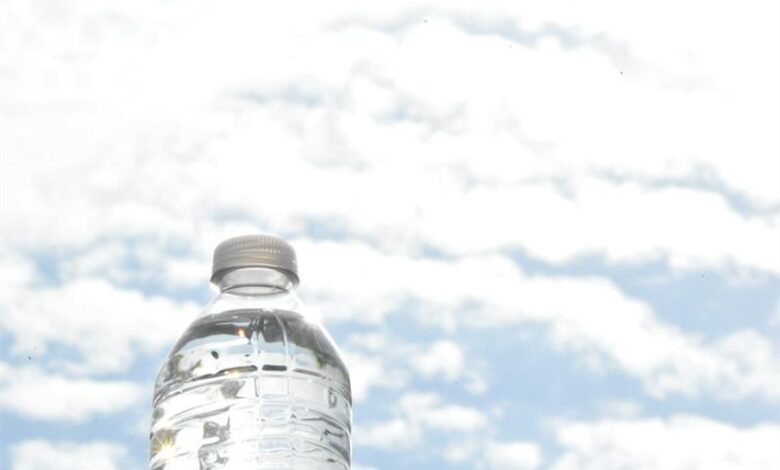
With a hotter and drier summer ahead, likely to affect municipal water supply, it’s important to know how to store drinking water at home.
The South African National Bottled Water Association (Sanbwa) explained that the South African Weather Service has warned that a strong El Niño is likely to bring below-normal rainfall and above-normal temperatures to most of the country from now until early 2027, with more frequent heatwaves. Global forecasters expect this El Niño to be stronger than the 2015/ 16 event that brought widespread drought to southern Africa.
“Most people only think about drinking water when the tap runs dry or a boil-water notice goes out. A few minutes of planning means your family has safe water for drinking, cooking and medication on the day you need it, especially in a heatwave, when the body needs more water, not less,” said Sanbwa CEO Charlotte Metcalf.
How much water do you need?
International emergency guidance, including from the US Centres for Disease Control and Prevention, recommends storing about 4l per person per day: roughly 2l for drinking and the rest for food preparation and basic hygiene such as brushing teeth.
A three-day supply, or 12l per person, means a family of four needs about 48l. Add extra for hot weather, babies and young children, pregnant and breastfeeding women, older people, anyone who is ill and pets.
What to store
Unopened, bottled water is the safest and most reliable emergency supply, because it is produced to food-safety standards, sealed and offers a proven shelf life.
“Before you stock up, check the label. A legitimate product will show the brand name, the source of the water, a batch or lot number, a best-before date and the producer’s contact details. That is what makes it traceable if anything goes wrong. Look for the Sanbwa logo on the label and be wary of refills when the taps go dry.
“Refills do not offer a long shelf life as the chlorine is removed from the municipal water. Shelf life is determined by hygienic handling and filling practices that are not possible to maintain in an open, non-dedicated shop environment. Refills are also not tested per daily production batch; thus, the shelf life cannot be guaranteed. For this reason, refills should be consumed within a short period of time.”
If you must fill your own containers at refill stations or shops, use clean, sanitised, food-grade containers with tight lids, mark them with the date and replace the water regularly.
Do not reuse milk or juice containers, which are hard to clean properly. Please remember that pre-filled labelled bottles from refill shops pose as packaged water but do not offer the same safety as packaged water legislated as a food and produced in food-safe facilities.
Water tanks and boreholes
Many households have installed rainwater tanks or boreholes to cope with outages. Both are valuable back-ups, but Sanbwa cautions that neither is automatically safe to drink. A 2025 citizen-science survey by WaterCAN found E. coli in household drinking water in eight municipalities, including in water from tanks. Keep tanks covered and screened, clean them regularly and keep gutters clear. Unless the water has been treated, boil it before drinking.
Groundwater from boreholes can be contaminated by nearby sewage, septic tanks or runoff, especially as water tables drop in a drought. Have it tested by an accredited laboratory and treated before drinking it, and retest at least once a year.
“Tank and borehole water is ideal for flushing, cleaning and watering the garden,” said Metcalf.
“For drinking, and especially for babies, keep a sealed supply you know is safe.”
How to store it
• Keep it cool and dark. A pantry, cupboard or space under a bed is ideal. Avoid windowsills, sunny patios and outside storerooms
• Not in the garage, as garages and sheds often hold petrol, paraffin, pool chemicals and paint, and their odours can taint water over time
• Keep it away from chemicals and cleaning products, even indoors
• Keep bottles sealed and off the floor, in their original packaging
Rotate your stock. Use the oldest bottles first and replace them before the best-before date. Water itself doesn’t go off if it was produced according to hygiene standards and legislation, but the date tells you how long the producer guarantees its quality in that packaging.
An opened bottle should be kept in the fridge and finished within a few days. Pour from large containers rather than drinking straight from them, and don’t top up a used bottle with water of unknown quality.
Use it wisely
During an outage, keep stored drinking water for drinking, cooking, preparing baby formula and taking medication. Use other water, such as rinse or bath water, for flushing toilets and cleaning.
“Water security is everyone’s business this summer. Preparing calmly and early is the best way to avoid panic buying, empty shelves and the temptation to buy water from sources you can’t trust.”