Doctor shares valuable insight on diabetes
Dr Emmanuel Mukasa Kabuzi shed some light on the facts about diabetes in recognition of World Diabetes Day.
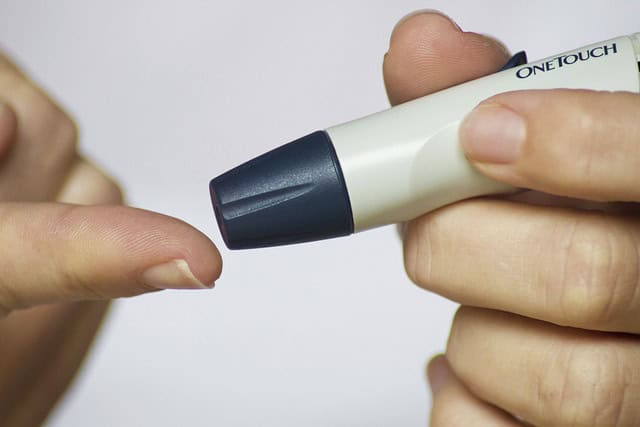
As millions of people celebrated World Diabetes Day on November 14, specialist physician Dr Emmanuel Mukasa Kabuzi thought it would be best to join in by spreading awareness about the condition in celebration of World Diabetes Day (November 14).
According to him, diabetes is a common health condition and it is estimated that as many as one in four South African adults older than 45 suffer from diabetes with the majority remaining undiagnosed. He added early detection, education and management are vital to addressing the challenges faced by diabetes.
The medical term for diabetes is known as diabetes mellitus (DM) and Kabuzi stated it is a condition where the body struggles to regulate blood sugar levels. This occurs either because the pancreas does not produce enough insulin (a hormone that helps glucose enter cells for energy) or because the body cannot use insulin effectively.
He emphasised if diabetes is left unmanaged it can lead to severe carbohydrate, protein and fat metabolism derangements with damage to various organs and systems in the body.
There are two varieties of diabetes, including Type 1, Type 2 and Gestational Diabetes. Kabuzi explained Type 1 is mostly an autoimmune condition where the immune system attacks the insulin-producing cells. The type accounts for 5% to 10% of all DM patients.
Type 2 is the most common and is often linked to lifestyle factors. According to Kabuzi, it occurs when the body becomes resistant to insulin or the pancreas cannot produce enough of it.
Gestational Diabetes is a temporary condition that develops during pregnancy due to hormonal changes making the body less responsive to insulin. Although it usually resolves after childbirth, it increases the risk of developing Type 2 DM at a later stage.
Other rare forms of diabetes include monogenic diabetes (caused by a single gene mutation) and diabetes caused by certain medical conditions.
He further stated diabetes is not currently considered curable, although it can be managed.
“The key to living well with diabetes lies in early detection, diligent management, and continuous application of the knowledge from the advancements of medical research,” he said.
Symptoms of diabetes include:
• increased thirst and frequent urination, especially at night
• increased hunger
• extreme fatigue
• unexplained weight loss
• blurred vision
• slow-healing sores and wounds or frequent infections
• tingling or numbness in hands or feet
While Type 1 DM cannot be prevented, Type 2 DM and gestational DM can often be prevented or delayed through a healthy diet exercise, avoiding smoking and alcohol as well as regular blood pressure and cholesterol level checkups.