
RandWest SPCA urges public to face truth behind euthanasia
Following public outcry over its euthanasia process, the SPCA has spoken out to explain the heartbreaking reality it faces daily.
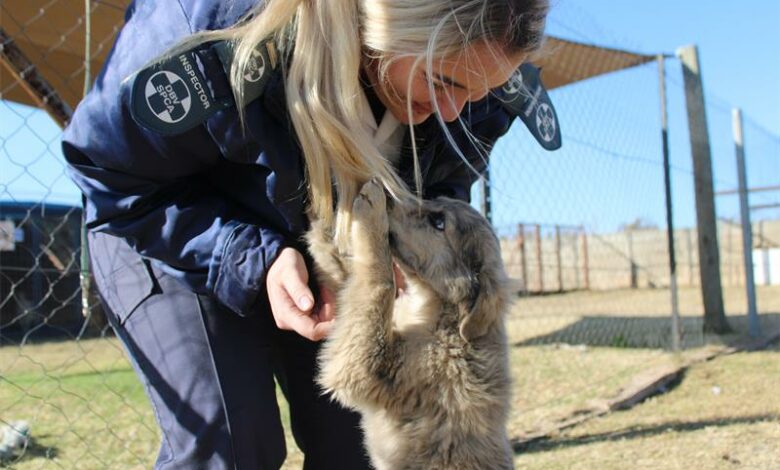
The RandWest SPCA has voiced its frustration over the misconceptions and lack of understanding surrounding euthanasia.
SPCA manager René van Straten explained that the organisation faces harsh criticism daily because of its euthanasia policies, placing great pressure on the branch and prompting it to speak out.
She said the Randfontein and Westonaria branch receives about 150 to 200 intakes each month, but has fewer than 60 kennels in total. Finding sufficient space, food, medication and staff to care for the animals is becoming increasingly difficult.
Van Straten described this as a harsh reality, noting that many SPCA branches have begun sharing intake statistics publicly. This, however, has sparked criticism from communities, with many residents asking why the SPCA cannot operate as a no-kill shelter.
“It’s simple. No-kill shelters can turn animals away. We don’t. One of the SPCA’s core mandates is that we do not refuse the admission of any animal because we know what happens if we do,” she said.
“Do these critics ever stop to consider the real questions? Where do all the animals come from? Why does the SPCA resort to euthanasia, and why are the numbers of euthanised animals so high?”
Van Straten stressed that the SPCA is not responsible for the actions of others that put animals in such situations.
“It is not the SPCA that breeds irresponsibly. It is not the SPCA that moves away and leaves pets behind. It is not the SPCA’s fault that so many animals are abused, neglected or abandoned. So, who is responsible for the number of animals that need to be euthanised?” she asked.
She warned that if the SPCA were to stop euthanising animals, the shelter would be full within two weeks and unable to help any others.
Van Straten also acknowledged complaints about the strict adoption process but confirmed it is strict for a reason. Since many animals have already been failed by humans, it is vital to prevent this from happening again.
“We have put policies in place because we learnt from the past. We have seen what happens when we do not carefully choose a home. This process exists to protect the animals and to ensure their new home is safe and loving. We will not send an animal off to a fate worse than death,” she explained.
Van Straten appealed to the community to consider who is truly to blame and who pays the price for irresponsibility.
“We carry the burden of making impossible decisions. We do the best we can with the little we have. We will never stop putting the animals’ needs first, and we will continue to be the solution to a problem caused by others – even if it breaks our hearts.”