Injured monkey highlights dangers of rescuing wildlife at home
A baby monkey’s severe injuries serve as a reminder that wild animals need professional care, not home rehabilitation.
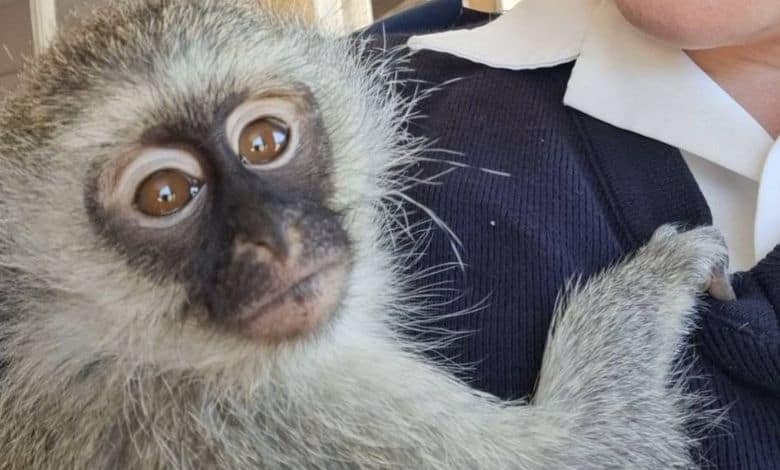
After a resident tried to rehabilitate a wild monkey without knowing it had various unattended injuries, the RandWest SPCA spoke out about why keeping an untamed animal is never a good idea.
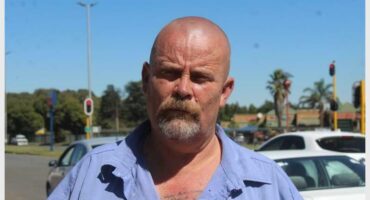
SPCA manager René van Straten explained that residents recently found a baby monkey and, out of compassion, took it home to try and rehabilitate it. Van Straten noted they quickly realised that keeping it might not be the right thing to do, and so they contacted the SPCA for assistance.
After bringing the monkey to the SPCA offices, the SPCA transferred it to the Johannesburg Wildlife Veterinary Hospital, where it could be properly rehabilitated and finally released.
• Also read: SPCA finds animals in shocking rural neglect
Van Straten eventually received news that the monkey was in far worse condition than originally expected, with severe malnourishment, stunted growth, lack of muscle development, a lung infection and a fractured skull. According to her, the animal was in excruciating pain and undeniable distress.
“If the residents decided to keep the monkey, they might have stayed oblivious to the fact that he was severely injured. That is why keeping a wild animal is never a good idea,” she said.
She urged community members to refrain from treating abandoned wild animals themselves.
“Your intentions might be good; however, any medical attention should always be provided by a professional veterinarian. We must use this story to raise awareness and educate residents about the risks of keeping wild animals as pets.”
Van Straten elaborated on the reasons why untamed animals should not be kept:
• A permit is often needed to own a wild animal
• These animals pose safety risks as they still carry wild instincts
• The animal’s medical and dietary needs are complex and require a professional to evaluate
• Keeping the animal can cause distress and suffering
• It might fuel illegal and inhumane wildlife trade
“If you ever come across a wild animal that appears to be injured, sick or in distress, please contact your local SPCA or a veterinarian immediately. Let’s protect our wildlife by keeping them where they belong – in the wild.”
Residents can contact the RandWest SPCA for any emergencies at 078 911 0538.