Pretoria shelters feel pressure with more people ending up on streets
Local organisations say demand for assistance continues to rise as limited resources make it increasingly difficult to support vulnerable residents seeking a way off the streets.
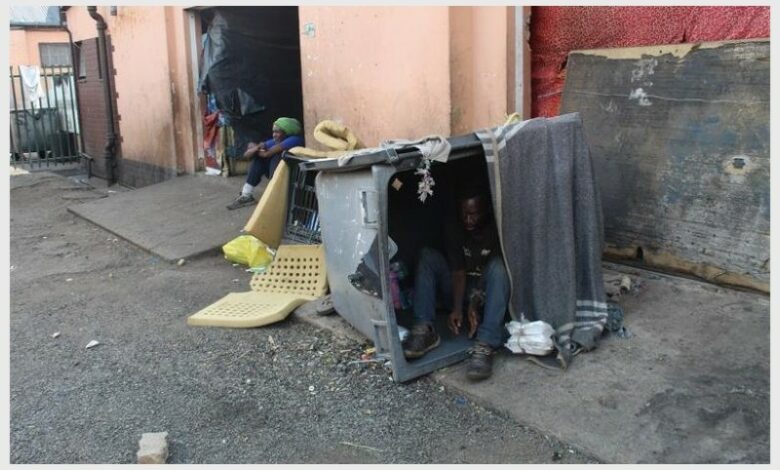
Organisations working with people living on the streets in Pretoria say they are under growing pressure as more individuals and families seek assistance amid unemployment, financial hardship and a lack of stable support structures.
Non-profit organisations (NPOs) across the city report increasing demand for shelter, food, counselling, and reintegration services, while limited funding and resources continue to hamper their ability to meet the needs of vulnerable residents.
Sechaba Potse, founder of Homeless Solutions, said homelessness is becoming more widespread and is affecting people from a variety of backgrounds.
“Over the years we have seen a noticeable increase in people seeking assistance,” he said.
Potse added that organisations are no longer assisting only those who have spent years living on the streets.
“We are now seeing a change in the profile of the homeless. It is not only people who have lived on the streets for years; we also assist individuals who previously had employment, qualifications, and stable lives but lost their support systems after unexpected setbacks,” he said.
Organisations in the sector say homelessness is often driven by a combination of factors rather than a single event.
Potse listed job losses, family conflict, substance abuse, mental-health difficulties, migration to cities in search of opportunities, loss of identity documents, and a shortage of affordable housing among the contributors.
Milicent Maluleke, social worker at Kopano Manyano God Founder’s Centre, said many people arrive in Pretoria from other provinces hoping to find work.
“People come from different provinces looking for employment and then end up losing their belongings and becoming homeless,” she explained.
Maluleke added that some individuals experiencing homelessness are survivors of gender-based violence, while others struggle with mental-health challenges.
To address these needs, organisations provide a range of support services aimed at helping people regain stability.
Maluleke said Kopano Manyano offers feeding schemes, psychological support, family reunification services, spiritual counselling, referrals to shelters and clinics, and skills-development programmes.
Ashley Young, administration leader at House of Peace, said the organisation provides shelter and support to a broad range of vulnerable residents.
“We provide dignity and shelter to many people, including the homeless or those with substance addictions, the elderly, the disabled and families,” he said.
However, sustaining these services remains a challenge. “The biggest challenge is that demand continues to grow while resources remain limited,” Potse said.
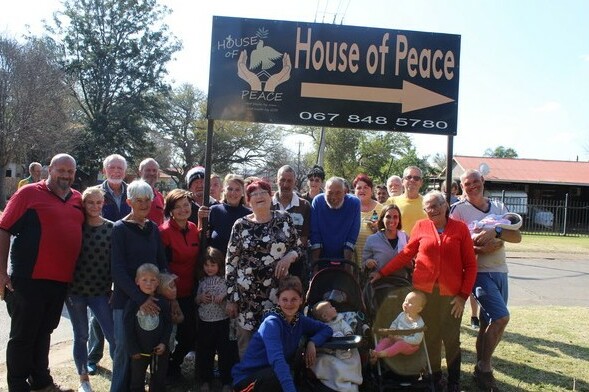
Young added that funding constraints directly affect the quality and consistency of services.
“As an NPO, we rely solely on donations, partnerships and sponsorships to keep our doors open,” he said.
Maluleke echoed these concerns, noting a lack of funding affects services such as family reunification, which often requires transport assistance.
Despite the challenges, the organisations say long-term solutions require more than emergency assistance.
“People need more than temporary help. They need opportunities,” Potse said.
Young believes employment is central to addressing homelessness. “Job creation is the biggest issue,” he said.
The organisations called for stronger collaboration between government, communities, businesses and the non-profit sector to help vulnerable residents access shelter, support services and opportunities to rebuild their lives.
Members of the public who wish to assist are encouraged to support established organisations.
“Support organisations that help vulnerable people – this will ensure they receive much-needed clothing, meals and other support,” Young concluded.
Do you have more information about the story?
Please send us an email to [email protected] or phone us on 083 625 4114.
For free breaking and community news, visit Rekord’s websites: Rekord East
For more news and interesting articles, like Rekord on Facebook, follow us on Twitter or Instagram or TikTok or WhatsApp Channel