Oscar makes monthly payments to Steenkamps
Oscar shows his remorse about the death of Reeva Steenkamp by making monthly payments to her parents.
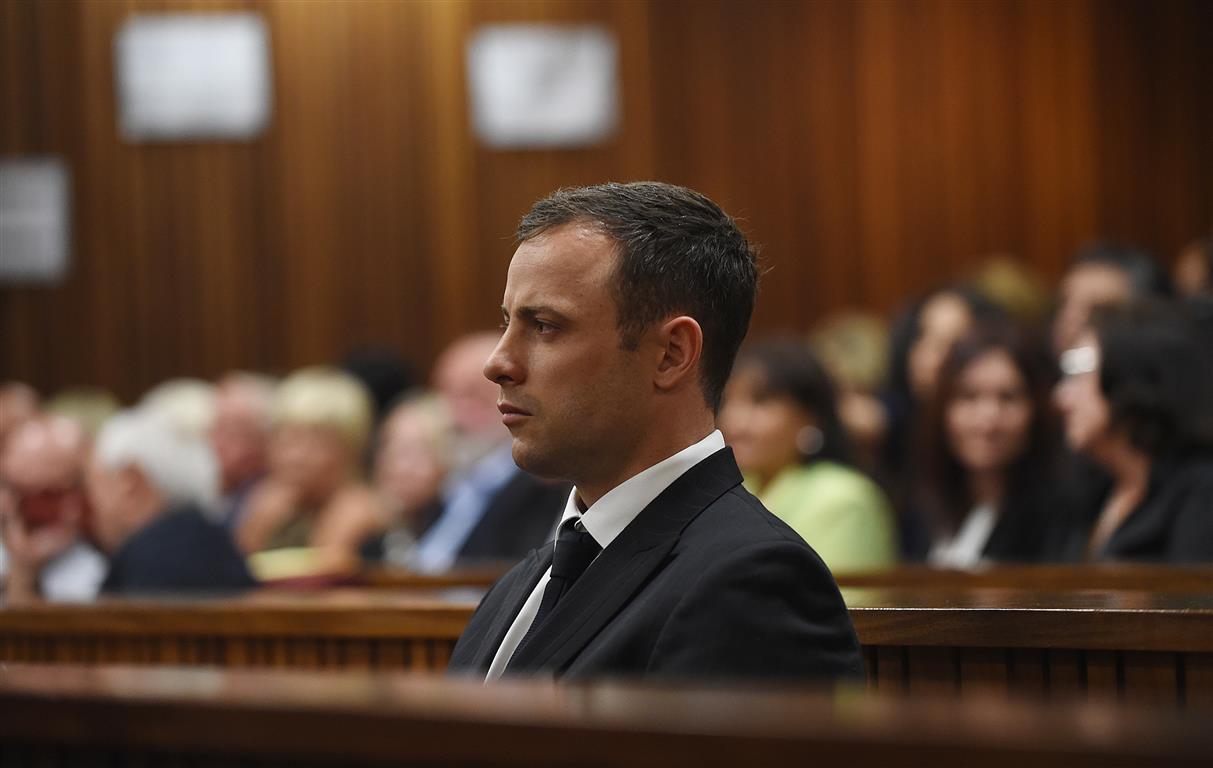
Oscar Pistorius is making voluntary monthly payments to the parents of Reeva Steenkamp, his former girlfriend whom he shot and killed in February last year. He also plans to make a further lump sum payment to the Steenkamps, the North Gauteng High Court was told by registered probation officer Anette Vergeer, who was paid by the double amputee’s defence team to compile a psychosocial pre-sentence report.
This fact, Vergeer said, indicated that Pistorius showed true remorse over the death of Steenkamp.
However, in cross examination Vergeer said that she had been told by Pistorius’ defence team that the Steenkamps had rejected the monetary offer from the former athlete, saying they did not want blood money. Advocate Gerrie Nel, for the state, put on record that all money paid by Pistorius to the Steenkamps would be refunded.
Dup de Bruyn, the Steenkamp family attorney told Rekord: “We received a monthly amount of R6 000 from Pistorius for a period of 18 months as of March last year. The family needed it at that time but we are going to return all of it.”
In her testimony Vergeer also recommended a non-custodial punishment for Pistorius, who, according to her, on several occasions expressed shock and disbelief over his actions at the time of the shooting.
Convicted of culpable homicide, Pistorius accepted he had been negligent and caused the death of the young model. “There is no tool to measure true remorse. But Oscar often cried and verbally expressed his remorse. The voluntary monthly payments to her parents and another amount that he will pay is an indication of his remorse,” Vergeer testified.
She said a prison sentence would only further break the already broken Pistorius. “All prison would do to him is punish him in a way that is not constructive, and prison would amount to an excessive punishment,” she said.
Vergeer said prisons did not have the facilities to accommodate a disabled person like Pistorius – there are no baths, slippery floors and showers – and would in fact place him in danger and break him. She said that in the country’s over-crowded prisons, Pistorius, because of his disability, faced sodomy, violence, gang activity and drugs.
He had expressed guilt and remorse, could be valuable to society, especially children and had all the potential to become a productive citizen again, Vergeer testified, adding that a 3-year correctional supervision sentence, coupled with a suspended sentence and community service would be appropriate. She stressed that correctional supervision was not a light sentence, as some members of the public might believe.
According to Vergeer, Pistorius already started serving a sentence the moment he shot and killed Steenkamp. “Nothing will be achieved by putting him in prison. The death of the deceased is already a most severe punishment,” she testified. During cross-examination, Vergeer said Pistorius had told her that he “respected” the court’s finding of culpable homicide and that he maintained that he had believed there had been an intruder behind the bathroom door. She said Pistorius would be completely vulnerable in prison without his prosthesis.
“You cannot glue his artificial legs to him. Even if the court made an order that they are not allowed to take his legs away from him, there is no guarantee that it will not happen.”
For more news and interesting articles, like Rekord on Facebook or follow us on Twitter.
Also read:
Prison not recommended for Oscar