SA State Theatre telling stories for decades
"They support us in all ways and give us much needed exposure by giving us (Pretoria based artists) first preference when a play is being developed."
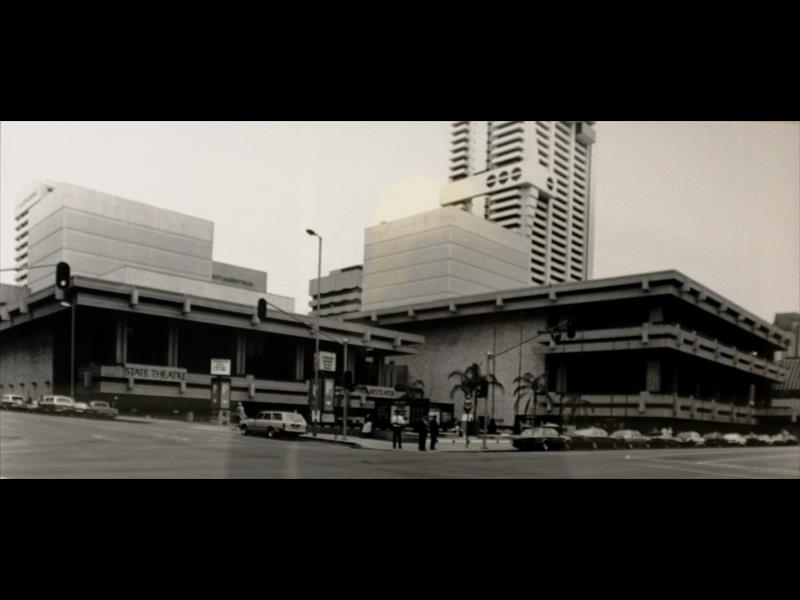
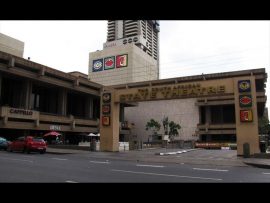
The SA State Theatre is celebrating 36 years since it opened its doors to the Pretoria arts community in 1981.
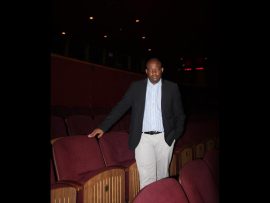
“The life of Southern Africa’s biggest theatre has had many turns, cries and laughs,” said CEO Sibongiseni Mkhize.
“It’s life is full of many exciting and somewhat sad stories but it has had lots of impact as it did with the artists it has helped over the years.”
Mkhize has been at the helm of the home of Pretoria and South African arts for 18 months.
He said the theatre had done a lot for the people of Pretoria.
“People have seen Sarafina for almost 30 years and now Marikana which tells a similar story about where the country is today,” he said.
“This opens dialogues, honest or what seems like honest and deep conversations about the state of affairs and the political and economical landscapes of our country.”
Mkhize said the theatre would continue to grow over the years with a focus on telling more African and local (Pretoria) stories.
Artistic director Aubrey Sekhabi said it was not always easy for African, especially black storytellers such as actors, playwrights and directors, to work from the SA State Theatre.
“We would pass here and go to other theatres in Johannesburg which welcomes black artists. I remember having written my play but I could not have it staged at the SA State Theatre. I had to find a venue in a place that accommodated my colour,” said Sekhabi.
“That was not easy, in fact it made more people (both artists and theatre lovers) not come here but I had wished it was open for people like us,” he said.
He said over the years there had been a drastic change as more black artists and practitioners had their work showcased at this theatre.
“You can see more black people coming here whether as part of the crew (which includes directors, writers, producers) or to watch,” he said.
“The team that took over this place after the 90’s and early 2000’s fought for black stories to be told by black people. But we don’t want the theatre to be a ‘black only’ art space but it should accommodate all people.”
Watch video here:
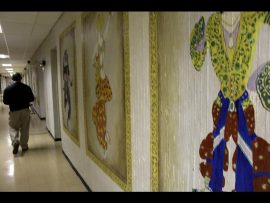
Today, the in- and outside of the theatre were buzzing, with oodles of of creativity brewing in the rehearsal space.
A number of events had been hosted at this Japanese-influenced building.
“We do a lot of art things now. Its the home of everything art,” said Mkhize.
“From indigenous drama, music, dance, cabaret and satire to West End and Broadway hits, classical opera, ballet classes and jazz events. We do all art events here. In fact we welcome and request people to use this space as if it is their own.
ALSO READ: Sarafina returns to state theatre
Pretoria-based FingerPrint 5 lead singer Nkamogeleng Lebeloane said the contribution by the management of the theatre had impacted greatly on the lives of the artists.
“They support us in all ways and give us much needed exposure by giving us (Pretoria based artists) first preference when a play is being developed,” said Lebeloane.
She said there was no theatre that catered for all art mediums.
“For the past six years, it has offered me and my band a rehearsal space (for free) which we couldn’t have afforded to pay for.”
The theatre had contributed immensely in the South African arts.
Business development manager Brian Khama said collaboration with the department of arts and Culture had made an incubator programme for young and emerging artists possible.
“This programme empowers these artists as a number of workshops are hosted at the theatre,” he said.
“We also link artists with mentors who help them with their productions.”
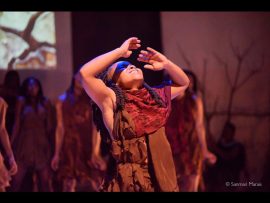
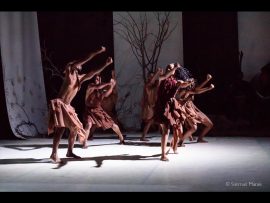
Mkhize added: “One of the best directors the programme has produced is Mduduzi Vincent Nhlapo whose show Kiu is currently playing at the theatre.”
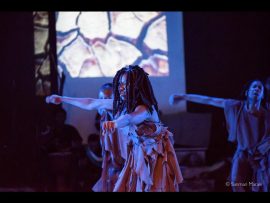
Kiu is the Swahili word for thirst and the play is a diverse narrative, which signifies the critical age of drought in Africa.
ALSO READ: Saturday night fever at state theatre
It highlights human’s great desire leading to dystopia and civil unrest.


Do you have more information about the story? Please send us an email to editorial@rekord.co.za or phone us on 083 625 4114.
For free breaking and community news, visit Rekord’s websites:
For more news and interesting articles, like Rekord on Facebook, follow us on Twitter or Instagram.